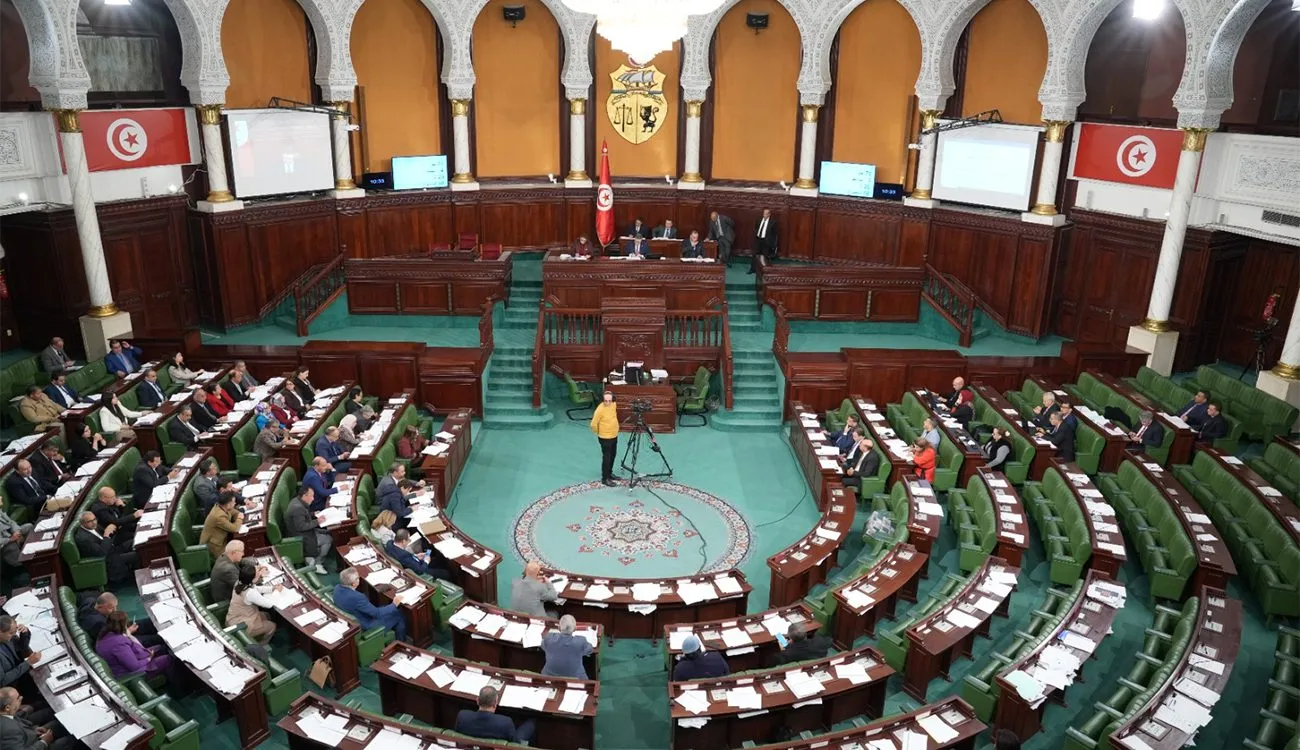
The Commission des finances et du budget of Tunisia's Assemblée des représentants du peuple (ARP) has officially called on the Ministry of Finance to provide the 2026 budget execution report. The report, due by July 30, had not been received by September 21. According to Maher Ketari, the commission's president, this document is essential for reviewing the 2027 budget orientations.
The commission is now planning to request a hearing with the finance minister to discuss the current budget execution and the state's financial balances. This move comes as parliament is set to decide on the main assumptions of the 2027 budget, which must be presented to the Assembly by October 15. The delay in receiving the report has caused frustration among lawmakers.
The 2027 budget discussions will be influenced by international oil price trends, which could impact Tunisia's budget balances due to the country's significant energy imports. The commission wants updated data before validating the 2027 assumptions. Additionally, the financing of the Treasury is being closely monitored, following a 2026 law allowing the Central Bank of Tunisia to grant the state treasury facilities worth up to 11 billion dinars.
On the fiscal front, Maher Ketari has indicated that taxpayers should not face new tax increases in 2027. Instead, he advocates for better control of public spending. The commission also wants the 2027 budget to reflect the actual implementation of projects launched in 2026, ensuring coherence with the 2026-2030 Development Plan.
The government has already set priorities for 2027, including support for public and private investment, improving the business climate, and strengthening food, water, and energy security. The acceleration of digital and energy transitions is also on the agenda. These priorities will guide the commission's discussions on the 2027 budget.
The delayed submission of the 2026 budget execution report has created tension between the government and parliament. The commission's decision to summon the finance minister reflects concerns about transparency and accountability in budget management. The ARP will scrutinize the 2027 budget to ensure it aligns with the country's economic goals and priorities.
The 2027 budget is expected to focus on sustainable development and economic growth. Parliament will examine the budget in light of the country's current economic challenges and its commitments under the 2026-2030 Development Plan. The commission's recommendations will play a crucial role in shaping the final budget.
Key points
- The Tunisian government must present the 2027 budget to parliament by October 15.
- The 2026 budget execution report was due by July 30 but had not been received by September 21.
- The commission wants to hear from the finance minister on the current budget execution and state financial balances.