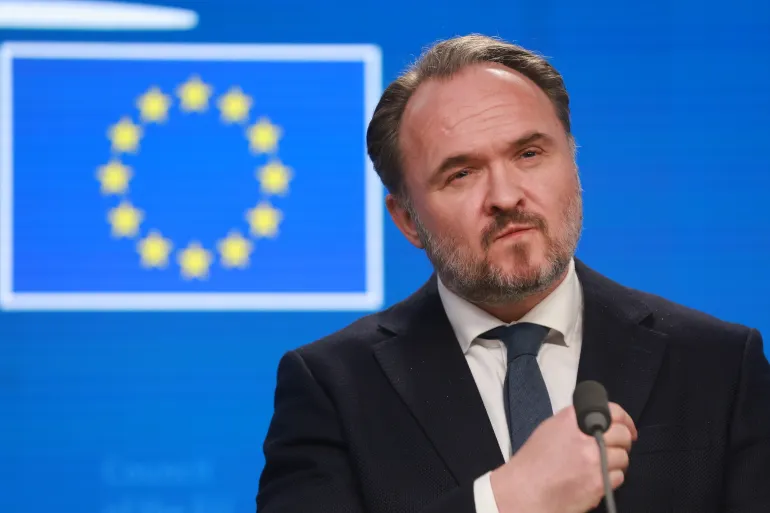
The European Union is facing an energy price crisis due to the impact of the Iran war on oil and gas markets, according to EU energy commissioner Dan Jorgensen. In a letter to EU energy ministers, Jorgensen warned that the bloc is facing a price crisis linked to a supply crisis. He emphasized that governments need to intensify preparations for the upcoming winter.
Jorgensen noted that while the EU is better prepared now than it was in winter 2021, when Russia reduced gas supplies to Europe, governments must take further measures. He urged ministers to consider implementing measures to conserve gas and electricity supplies. The commissioner's warning comes as the EU seeks to mitigate the impact of the Iran war on energy markets.
The EU's energy crisis is linked to the ongoing conflict in Iran, which has disrupted oil and gas supplies. The bloc is heavily reliant on imported energy, and any disruption to supplies can have significant price implications. Jorgensen's letter to energy ministers highlights the need for the EU to take proactive steps to manage energy demand and ensure a stable supply.
In response to the crisis, Jorgensen has called on EU countries to consider implementing measures to reduce energy demand. This could include measures such as increasing energy efficiency, promoting renewable energy sources, and implementing demand-response programs. The EU has set ambitious targets to reduce greenhouse gas emissions, and managing energy demand is a key part of this strategy.
The EU's energy policy is focused on ensuring a secure, sustainable, and competitive energy supply. The bloc has implemented various measures to achieve this goal, including the development of renewable energy sources and the promotion of energy efficiency. However, the ongoing energy crisis highlights the need for further action to ensure that the EU's energy supply is resilient and sustainable.
The energy crisis is also having implications for the global economy. Rising energy prices can have a significant impact on inflation, economic growth, and competitiveness. The EU is working closely with international partners to address the crisis and ensure a stable global energy supply. This includes working with countries such as Tunisia to promote energy cooperation and develop new energy sources.
The EU's efforts to address the energy crisis are ongoing. In the short term, the bloc is focused on managing energy demand and ensuring a stable supply. In the longer term, the EU is working to develop a more sustainable and resilient energy system. This includes investing in renewable energy sources, promoting energy efficiency, and developing new energy technologies.
Key points
- EU energy commissioner Dan Jorgensen warns of energy price crisis due to Iran war impact on oil and gas markets.