Ethiopia has long been vulnerable to natural disasters, posing significant challenges to its economy. To address this, the country has launched several initiatives to reduce drought-related risks. One key strategy is the development of irrigation systems, which aims to reduce reliance on rainfall and boost productivity. This approach not only helps mitigate drought effects but also increases overall agricultural output.
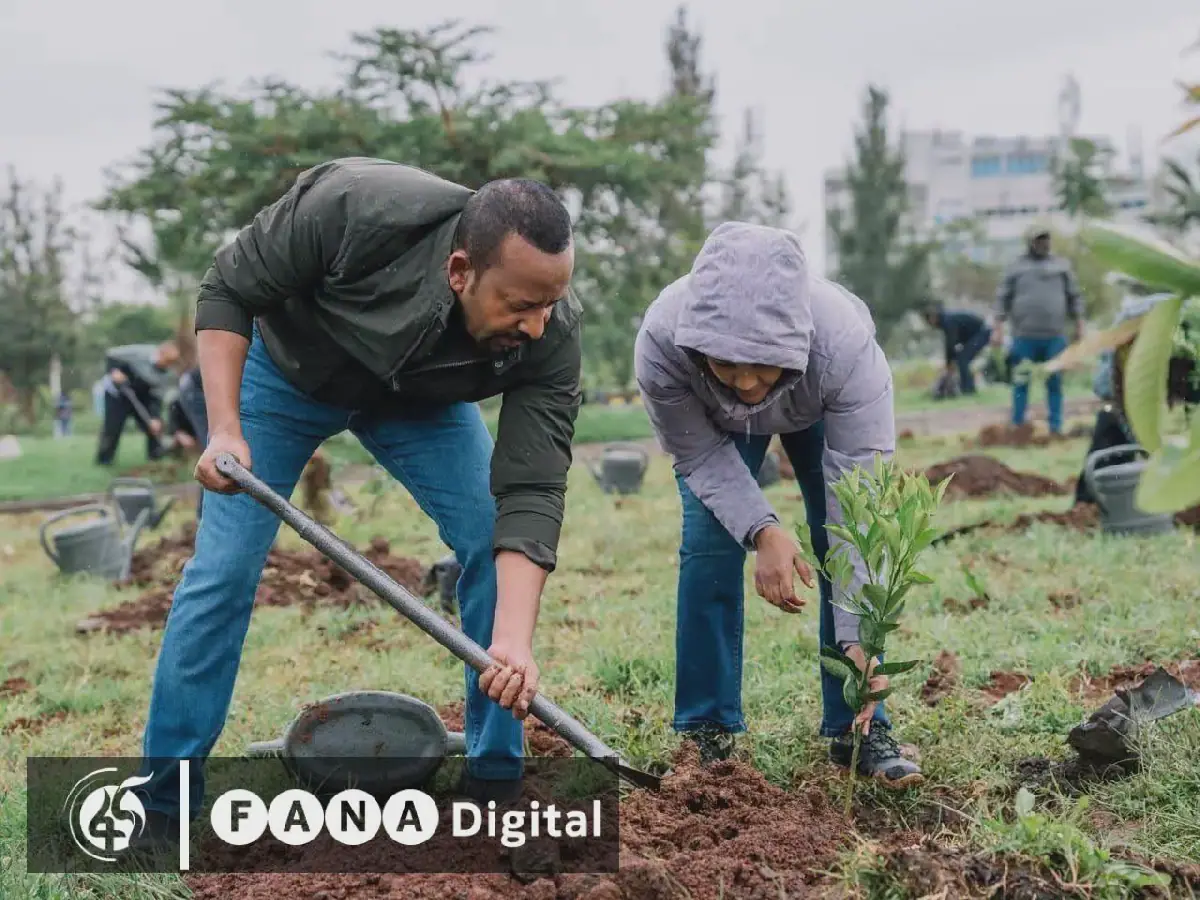
The Ethiopian government has also embarked on an ambitious afforestation program, aiming to plant millions of seedlings. This initiative is expected to enhance soil fertility, conserve moisture, and prevent erosion. By promoting sustainable land use practices, the program contributes to environmental protection and economic development. Additionally, it helps maintain soil productivity even during droughts, supporting both agriculture and ecosystem services.
In areas where rainfall is scarce, Ethiopia has begun implementing cloud seeding technology to enhance precipitation. This innovative approach leverages domestic expertise and modern technology to mitigate drought impacts. Furthermore, the government has strengthened early warning systems, enabling farmers to access critical information from meteorological agencies and prepare for potential climate-related shocks.
To reduce vulnerability to global market fluctuations and production shortages, Ethiopia is promoting domestic processing and export of agricultural products. This strategy aims to add value to local produce, ensuring a more stable income for farmers and supporting economic resilience. Moreover, the growth of urban industries provides an alternative source of income for rural households, helping to alleviate economic pressures during times of crisis.
In the event of disasters, Ethiopia's financial systems play a crucial role in supporting affected communities. Access to small-scale credit and financial services enables farmers to recover quickly and resume productive activities. This safety net helps reduce the economic impacts of droughts and other shocks, promoting sustainable livelihoods and economic stability.
According to Prime Minister Abiy Ahmed, Ethiopia has made notable progress in preparing for the current dry season, which posed significant risks. The government's proactive measures, combined with public participation, have yielded positive results. By implementing a range of drought mitigation strategies, Ethiopia is making significant strides in protecting its agricultural sector and promoting economic resilience.
As Ethiopia continues to address drought-related challenges, its efforts are expected to have a lasting impact on the country's economic development and environmental sustainability. By leveraging technology, promoting sustainable land use, and supporting small-scale farmers, Ethiopia is working towards a more resilient and prosperous future. The country's progress in mitigating drought risks serves as a valuable example for other nations facing similar challenges.
Key points
- Ethiopia's irrigation development aims to reduce reliance on rainfall and boost agricultural productivity.
- The country's afforestation program seeks to enhance soil fertility, conserve moisture, and prevent erosion.
- Cloud seeding technology is being used to enhance precipitation in areas with scarce rainfall.
Reporting sources
- የተፈጥሮ ፈተናዎችን የመሻገር ጥበብ · Fana Broadcasting Corporate