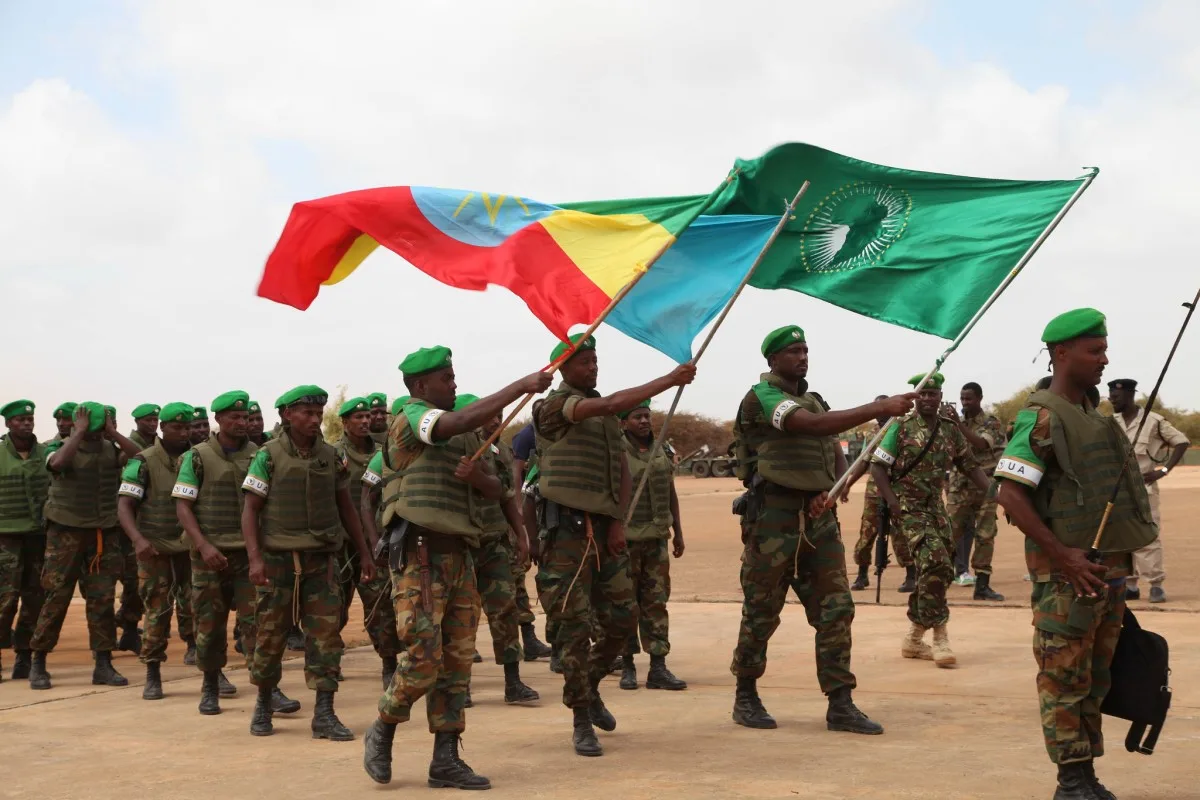
The Ethiopian cabinet has approved a bill that grants the military additional powers, including the ability to conduct major operations outside of the country's borders if deemed necessary for national security. The bill, which is expected to be presented to parliament on Monday, aims to enhance the military's capabilities in protecting the country's sovereignty and independence. This move comes as Ethiopia faces rising tensions, particularly in the Tigray region, where concerns of another conflict have resurfaced.
The bill's approval comes at a time when Ethiopia is experiencing heightened military and political tensions, particularly in the Tigray region. The region has been embroiled in a conflict between the federal government and the Tigray People's Liberation Front (TPLF), which has raised concerns about the country's stability. The TPLF has accused the federal government of launching an attack on the region's civilians, describing the situation as a "invasion". The group's leader, Debretsion Gebremichael, has also alleged that foreign countries, including the United Arab Emirates, are involved in the conflict.
In a recent speech, Debretsion Gebremichael claimed that the TPLF has been fighting against the Ethiopian government for 17 years, dating back to the Derg regime that was overthrown in 1991. He stated that his group is currently focused on building resilience in the face of the ongoing conflict. Gebremichael's comments have sparked concerns about the future of the region's security and the relationship between the federal government and the Tigray regional administration.
The Ethiopian government has not publicly responded to Gebremichael's allegations, but the approval of the bill granting additional powers to the military suggests that the government is preparing for potential escalation in the region. The bill's passage is seen as a significant development in the country's security landscape, as it could enable the military to take a more proactive role in addressing security threats.
The conflict in Tigray has resulted in significant humanitarian and economic costs, with thousands of people displaced and many more affected by the violence. The international community has expressed concern about the situation, with some countries calling for a negotiated settlement to the conflict. However, efforts to broker a peace deal have so far been unsuccessful.
The UAE's alleged involvement in the conflict has also raised concerns about the role of foreign powers in the region. The UAE has been accused of providing military support to the Ethiopian government, which has been denied by both countries. However, the allegations have contributed to the growing tensions in the region and raised concerns about the potential for external interference.
The situation in Tigray remains volatile, with many residents living in fear of violence and displacement. The international community continues to call for restraint and a peaceful resolution to the conflict. The Ethiopian government's decision to grant additional powers to the military is likely to have significant implications for the country's security landscape and its relations with neighboring countries.
Key points
- The Ethiopian cabinet has approved a bill granting the military additional powers, including conducting major operations outside national borders.
- The TPLF has accused the federal government of launching an attack on the region's civilians, describing the situation as a "invasion".
- The conflict in Tigray has resulted in significant humanitarian and economic costs, with thousands of people displaced and many more affected by the violence.