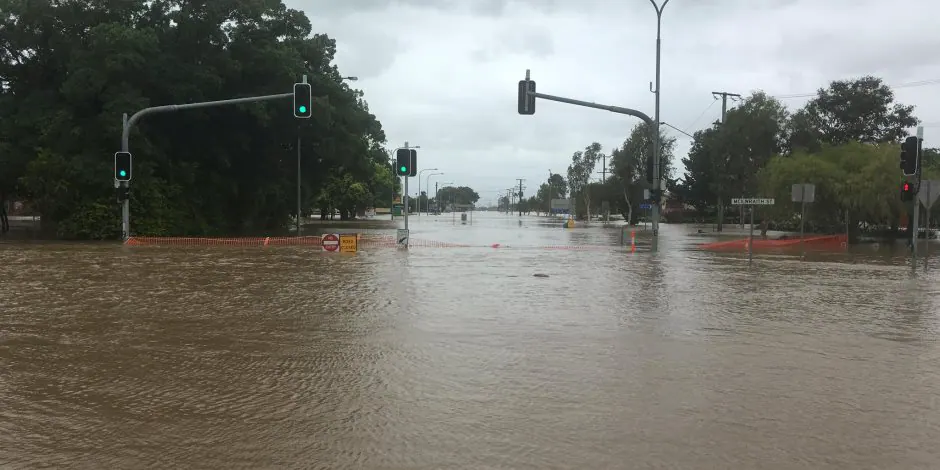
Ethiopia's national disaster management committee has issued a warning of potential floods during the "Bega" season, which spans from October to January. The committee, as reported by the Ethiopian newspaper Addis Standard, cautions of heavy rainfall and flash floods in several parts of the country. This warning comes as some areas face drought, water scarcity, and food insecurity, exacerbated by the El Nino phenomenon.
According to the bulletin released by the committee, areas that typically receive Bega rains are expected to experience normal to above-normal rainfall. This forecast increases the risk of flooding, particularly for communities living along riverbanks, in low-lying areas, and in cities with limited drainage capacity. The committee aims to provide sufficient warning time for communities and authorities in flood-prone areas to prepare.
The bulletin describes floods as one of Ethiopia's recurring natural disasters, causing significant impacts on human lives, property, infrastructure, and livelihoods. It emphasizes that early warning is a crucial tool for preparedness, allowing for close monitoring of rainfall, river levels, and local conditions to provide additional early warnings and facilitate necessary actions.
The Ethiopian Meteorological Institute's seasonal forecast indicates that areas such as Sidama, parts of southern Oromia, most of the Somali region, and southern Ethiopia are expected to experience above-normal rainfall. The forecast also suggests that Bega rains will start early and follow a normal pattern, although there may be delays in the south and southwest.
The committee warns that some areas may experience extremely heavy rainfall, with the report predicting flash floods in various regions. Additionally, non-seasonal rains are expected in northern, northeastern, eastern, and central Ethiopia during October and November, posing risks to communities and agricultural activities in areas where the rainy season typically ends.
The El Nino phenomenon is contributing to drought and water scarcity in some areas, as well as food insecurity. The committee's warning highlights the need for preparedness and early action to mitigate the impacts of flooding and other climate-related hazards.
The government's efforts to provide early warnings and support affected communities are crucial in reducing the risks associated with flooding and other natural disasters. Residents in flood-prone areas are advised to take necessary precautions and stay informed about weather forecasts and warnings.
Key points
- Heavy rainfall and floods are expected in Ethiopia from October to January, affecting various parts of the country.
- The El Nino phenomenon is exacerbating drought, water scarcity, and food insecurity in some areas.
- The government has issued a warning and is working to provide early support to affected communities.