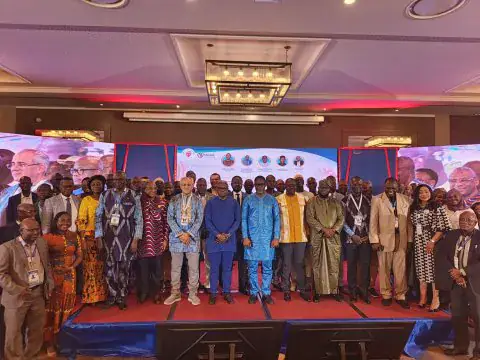
Prime Minister Russell Dlamini of Eswatini has emphasized the need for private sector investment to support the country's rapid urbanization. Speaking at the official opening of the Second Eswatini Urban Forum in Palazzo Ezulwini, he stated that the government alone cannot finance the required infrastructure. The forum, convened by the Ministry of Housing and Urban Development, aims to address the challenges of urban development. Dlamini highlighted the scale of investment needed, which exceeds available public resources.
The Prime Minister outlined the aspirations for Eswatini's urban centers, stressing that they demand considerable investment. He noted that government resources are insufficient to meet the infrastructure needs and unleash the potential of local economies. Dlamini advocated for alternative financing instruments, including public-private partnerships (PPPs), blended finance, green financing instruments, and strategic development investments. These models, he believes, can help bridge the financing gap.
Dlamini emphasized the crucial role of the private sector in national development. He stated that when the private sector invests in infrastructure, housing, renewable energy, and sustainable spaces, it yields benefits beyond profit, including national growth, employment creation, and community strengthening. The Prime Minister also highlighted the government's responsibility to create a conducive environment for investment, where risks are manageable and benefits are shared between investors and citizens.
The Second Eswatini Urban Forum is held under the theme 'Empowering Eswatini Local Authorities: Financing Smart Solutions, Resilient Infrastructure and Housing for All.' This theme is particularly relevant given the rapid pace of urbanization in the country. Dlamini noted that towns are expanding, new commercial corridors are emerging, and demand for housing, infrastructure, public services, and investment is increasing annually. He acknowledged the challenges and opportunities that come with these developments.
The Prime Minister outlined four pillars for Eswatini's urban transformation: financing, technology, climate resilience, and housing. He stressed that countries that apply technology to improve governance and service delivery are more likely to prosper. Dlamini encouraged local authorities to adopt smart government systems, digital service platforms, integrated planning tools, and intelligent revenue management systems. These technologies, he believes, are essential for sound administration in the modern world.
On the pillar of climate resilience, Dlamini emphasized the need for infrastructure that can withstand future climate shocks. He called for the design and construction of roads, bridges, drainage systems, utilities, and public buildings with foresight and durability. The Prime Minister also advocated for the mainstreaming of sustainable drainage, renewable energy, and environmentally friendly practices in urban development.
The Second Eswatini Urban Forum builds on the success of the first forum held in 2024. Dlamini expressed his hope that the discussions and outcomes of the forum will contribute to the country's urban development goals. The Prime Minister's call for private sector partnership and adoption of innovative financing models is expected to resonate with stakeholders and shape the future of urban development in Eswatini.
Key points
- The Eswatini government is seeking private sector investment to support urban growth and development.
- The Prime Minister has identified four pillars for urban transformation: financing, technology, climate resilience, and housing.
- The Second Eswatini Urban Forum aims to empower local authorities to address urban development challenges.