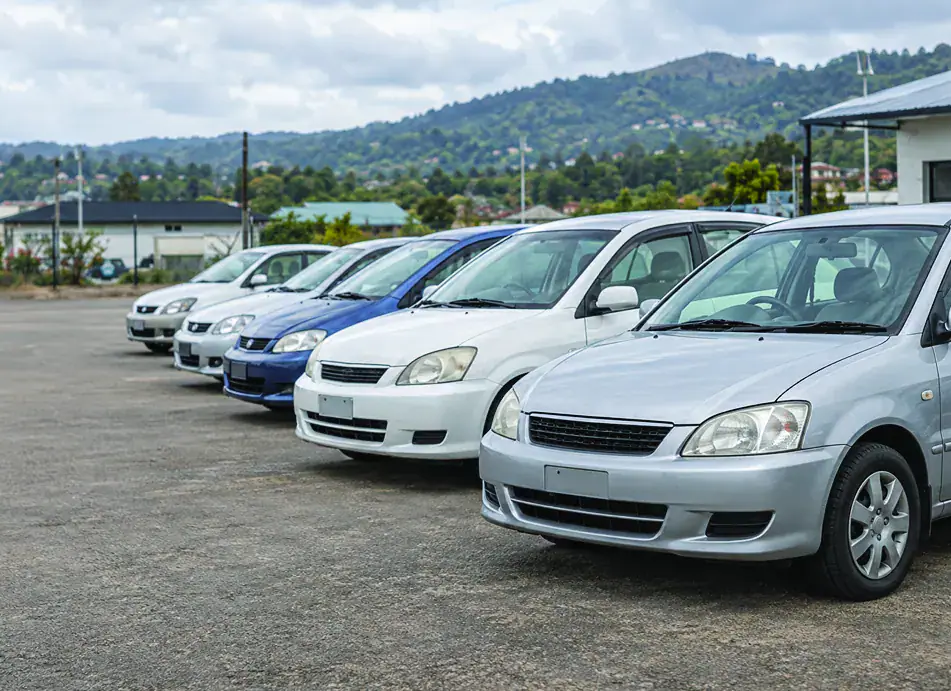
Member of Parliament Mduduzi Dlamini has appealed to the government to reconsider restrictions on importing second-hand vehicles, known as Dubai cars, to make personal transport more affordable for ordinary Emaswati. The ban, introduced six years ago, prohibits vehicles older than 15 years from being imported and registered in the country. Dlamini argues that allowing the importation of vehicles first registered before 2011 would enable many people to own vehicles. He made the appeal during the ministry of natural resources and energy's second quarter budget performance report debate in Parliament.
Dlamini commended the expansion of fuel stations across the country, ensuring that Emaswati no longer have to travel long distances to access fuel. However, he questioned the benefit of having more filling stations if ordinary citizens cannot afford to buy cars. The MP stated that the restrictions have affected people's ability to own vehicles, as newer models are more expensive compared to the second-hand vehicles previously imported. He urged the ministry of natural resources and energy to work with the ministry of finance to review the matter and find a solution.
LaMgabhi MP Sicelo Jele questioned the high fuel prices in Eswatini, comparing them with those in other Southern African Development Community (SADC) countries. Jele observed different prices during a recent visit to Lesotho and asked the ministry to explain why fuel appears to be more affordable in some countries within the region. He noted that Eswatini and South Africa have high fuel prices, but other SADC countries seem to have lower prices.
Lobamba Lomdzala MP Marwick Khumalo raised concerns about the country's preparedness for the growing use of electric vehicles. He pointed to Ethiopia's restrictions on importing petrol and diesel-powered vehicles while promoting electric vehicles. Khumalo asked the government to explain its plans for embracing this development and how it intends to balance its plans to establish strategic oil reserves with the growing shift towards electric vehicles.
Ndzingeni MP Gcina Magagula urged the ministry to consider reducing fuel prices following the establishment of the Strategic Oil Reserve. He stated that the development should bring relief to consumers through lower fuel prices, adding that Emaswati should benefit from the government's efforts to strengthen the country's fuel security. Magagula believes that the availability of the reserve should translate into more affordable fuel.
The restrictions on vehicle imports were introduced to encourage Emaswati to purchase vehicles through the local motor industry and increase the country's share of Southern African Customs Union (SACU) revenue. However, Dlamini and other MPs argue that the restrictions have made it difficult for ordinary Emaswati to afford personal transport. The MPs' concerns highlight the need for a review of the current policies and consideration of alternative solutions.
The government's response to the MPs' concerns and the implementation of new policies will be crucial in addressing the issues raised. The debate in Parliament highlights the ongoing efforts to balance the country's economic and environmental goals with the needs of its citizens. The outcome of these discussions will likely have a significant impact on the lives of Emaswati and the country's development.
Key points
- MPs call for a review of vehicle import restrictions to make personal transport more affordable.
- Concerns raised over high fuel prices in Eswatini compared to other SADC countries.
- Government's preparedness for electric vehicles questioned by MPs.
Reporting sources
- Bring back Dubais, remove restrictions – MPs · Swazi Observer