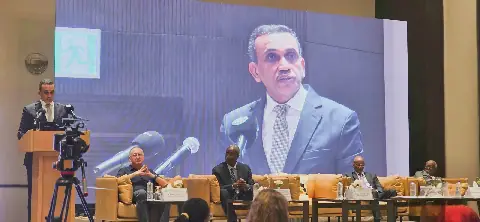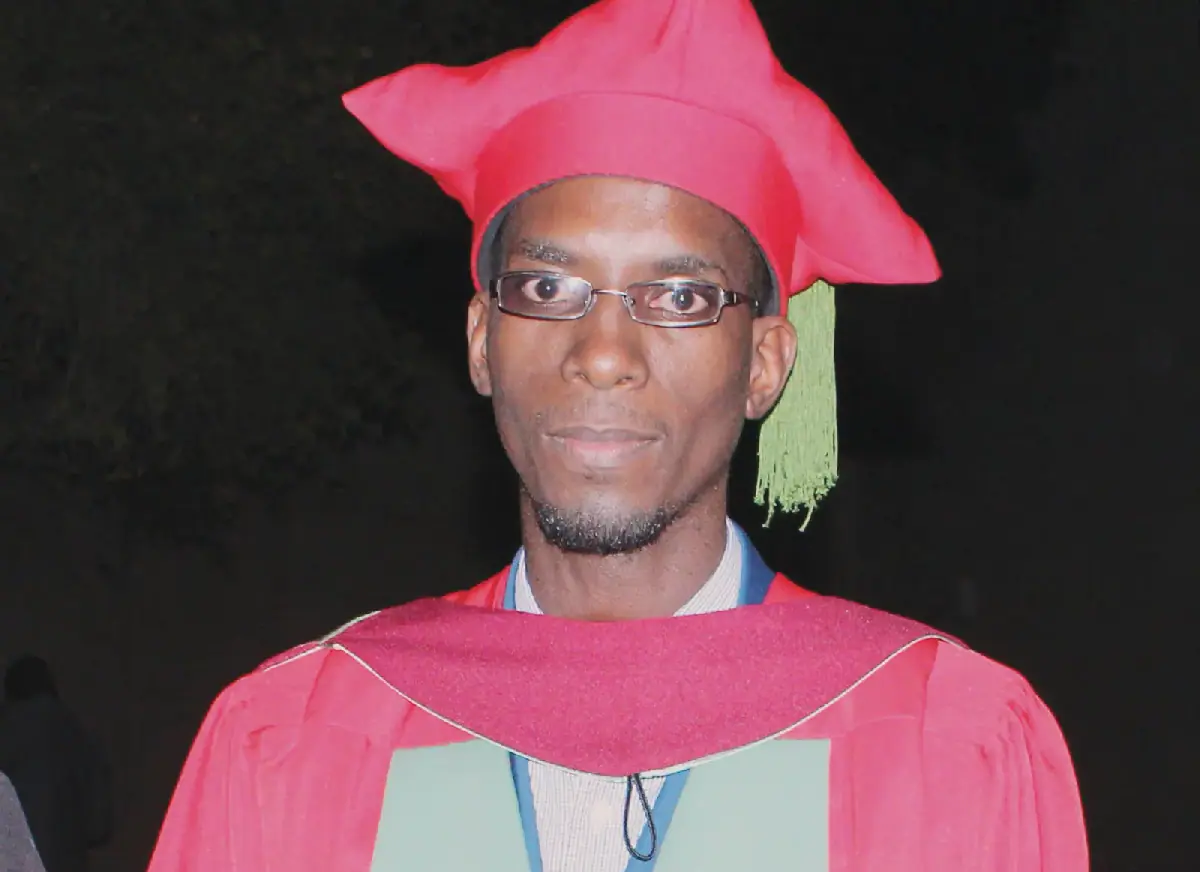
The nation of Eswatini is in mourning following the sudden passing of Dr Thabo Sacolo, the Executive Director of the Eswatini Economic Policy Analysis and Research Centre (ESEPARC). He was 42 years old. Dr Sacolo was a distinguished scholar, economist, and policy thinker who played a crucial role in shaping the country's national development journey. His contributions to Eswatini's economic policy and research have earned him a significant place in the nation's history.
Dr Sacolo's academic journey was remarkable, marked by his determination and focus. He held a bachelor of science degree in agricultural economics from the University of Eswatini, a Master of Science in agricultural economics, specialising in environmental economics, and a PhD in environmental economics from the University of Pretoria, which he attained in 2018 at the age of 34. His academic success was the product of years of consistency and an unwavering commitment to excellence.
Before joining ESEPARC, Dr Sacolo lectured at Tshwane University of Technology and worked as a research assistant at the University of Pretoria. He also contributed to projects through the Centre for Environmental Economics and Policy in Africa and served as Assistant Programme Director for the African Economic Research Consortium's Collaborative Masters Programme in Kenya. His progression at ESEPARC, from Senior Research Fellow to Executive Director, demonstrated the confidence placed in his professional ability and leadership.
As executive director of ESEPARC, Dr Sacolo led an institution directly connected to the quality of public policy and the country's ability to make informed development decisions. ESEPARC contributed to research and policy processes covering skills development, labour markets, vocational training, public service performance, agriculture, State-owned enterprises, digital readiness, and human resource development. The institution's work on the national skills audit and the subsequent development of the National Human Resource Development Policy helped examine the relationship between skills produced by the education system and those required by the economy.
One significant assignment associated with ESEPARC during Dr Sacolo's leadership was its role in developing the Kingdom of Eswatini's Post-COVID-19 Economic Recovery Plan. The plan outlined an investment programme valued at approximately E30.12 billion, comprising 97 projects with the potential to create an estimated 40,126 jobs. Dr Sacolo spoke about creating employment, improving economic growth, and ensuring that Emaswati, particularly vulnerable groups, could participate productively in the economy.
Dr Sacolo's professional life reminds us that research should never remain confined to academic reports and conference presentations. ESEPARC's published research, including studies on the economic cost of electricity interruptions and the effects of the 2015/16 El Niño-induced drought, examined challenges affecting households, businesses, public finances, and the wider economy. His work provided the evidence needed to understand the country's problems and the consequences of its choices.
The loss of Dr Sacolo is a profound one, made more painful by the knowledge that he had so much more to contribute and that the country still had much to learn from his experience and leadership. His legacy will continue to inspire young people in Eswatini to occupy strategic spaces in research, academia, economic planning, and public administration.
Key points
- Dr Thabo Sacolo was a distinguished scholar and economist who played a crucial role in shaping Eswatini's national development journey.
- He led ESEPARC in contributing to research and policy processes covering skills development, labour markets, and human resource development.
- Dr Sacolo's work provided evidence to inform the country's development decisions and understand its economic challenges.
Reporting sources
- A rare scholar gone too soon · Swazi Observer