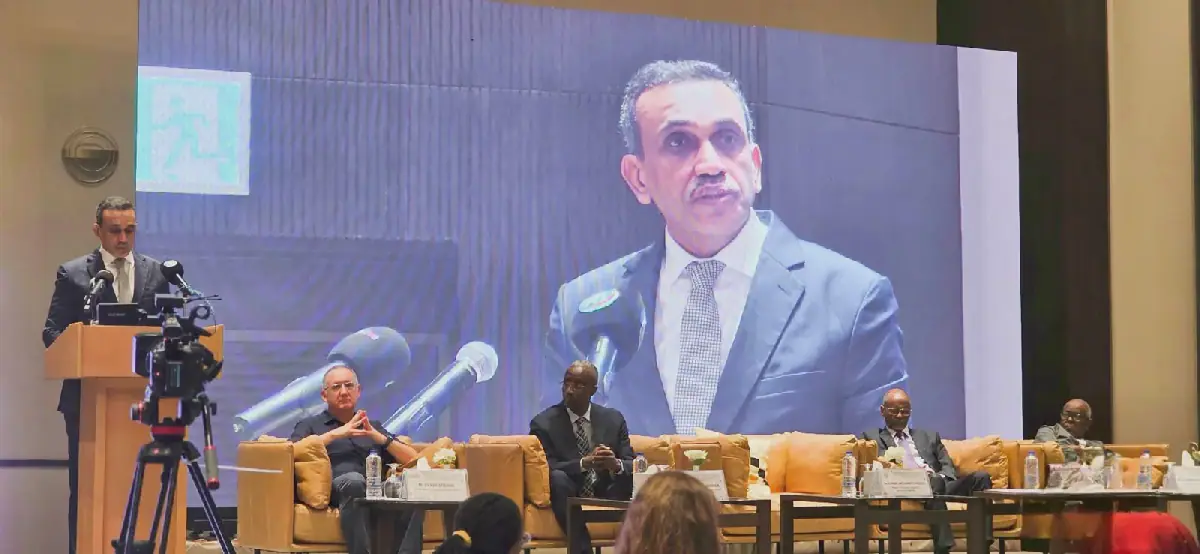
The government of Djibouti recently organized a four-day workshop aimed at strengthening the regulation of the country's electricity sector. The event, which took place from November 16 to 19, 2026, brought together stakeholders, including public officials, technicians, and sector actors. The workshop was co-organized by the Ministry of Energy and the Djibouti Multisectoral Regulatory Authority (ARMD). The objective is to create a more efficient and effective electricity system that meets the country's growing needs.
The workshop focused on three main areas: capacity building, improving regulatory mechanisms, and sector governance. Discussions covered economic, technical, and institutional aspects of the electricity sector. The Minister of Energy, Djama Mohamed Hassan, presided over the closing ceremony, accompanied by the Director General of ARMD, Abdi Ilmi Achkir, and the President of the Regulatory Council, Kassim Issak Oussman. The country's increasing demand for electricity, driven by its growing port and logistics activities, underscores the need for a robust regulatory framework.
Djibouti currently relies heavily on electricity imports from neighboring Ethiopia. However, the government aims to develop renewable energy sources to meet the country's energy needs. A solid regulatory framework is seen as essential for attracting investment and ensuring the quality of service in the sector. The workshop provided a platform for stakeholders to share knowledge and expertise, with the goal of establishing a more effective and efficient electricity system.
The country's energy landscape is rapidly evolving, driven by its strategic location and growing economic activities. The port of Djibouti has become a critical hub for international trade, and the government's efforts to develop the sector are expected to drive economic growth. However, the increasing demand for electricity poses significant challenges, and a robust regulatory framework is necessary to ensure a reliable and efficient supply of electricity.
The workshop is part of a broader effort to strengthen the regulatory framework in Djibouti's electricity sector. The government has recognized the need for a more effective and efficient regulatory framework to attract investment and ensure the quality of service. The event provided a valuable opportunity for stakeholders to engage with each other and with international experts, sharing best practices and expertise.
The Djibouti Multisectoral Regulatory Authority (ARMD) plays a critical role in regulating the country's electricity sector. The authority is responsible for ensuring that the sector operates in a transparent and efficient manner, and that the needs of consumers are met. The workshop is part of ARMD's efforts to strengthen its regulatory capacity and to improve the overall performance of the sector.
The government of Djibouti has emphasized its commitment to developing the country's energy sector, with a focus on renewable energy sources. The workshop is a significant step towards achieving this goal, and it is expected to contribute to the development of a more efficient and effective electricity system. The country's energy sector is poised for significant growth, and a robust regulatory framework will be essential for ensuring that this growth is sustainable and equitable.
Key points
- The workshop aimed to strengthen the regulation of Djibouti's electricity sector, focusing on economic and technical tools.
- The country's increasing demand for electricity, driven by its growing port and logistics activities, underscores the need for a robust regulatory framework.
- A solid regulatory framework is seen as essential for attracting investment and ensuring the quality of service in the sector.
Reporting sources
- Quatre jours d'atelier pour mieux réguler le secteur de l'électricité · agence djiboutienne d'information