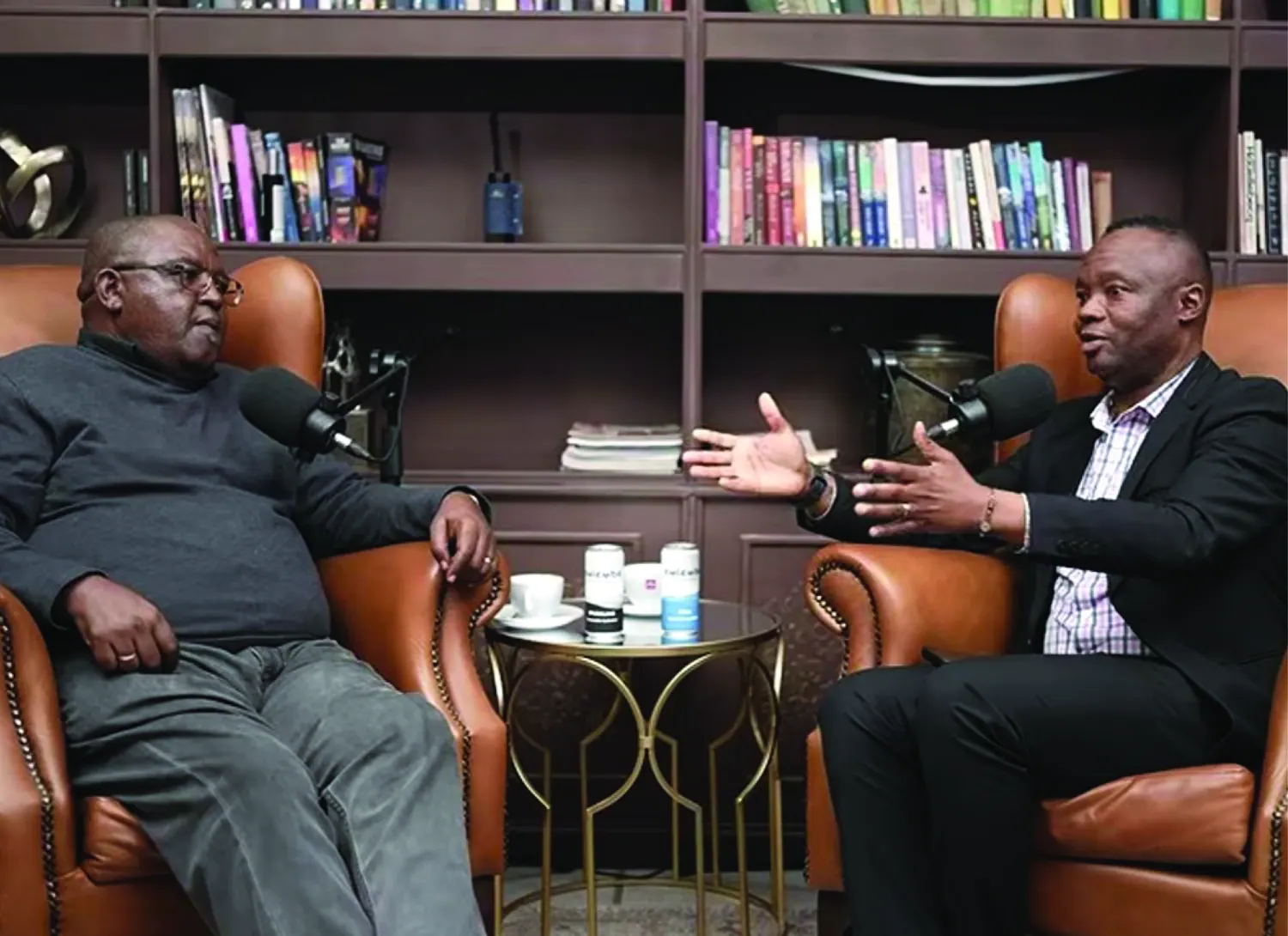
A significant change in how leadership and public responsibility are understood in Eswatini has been observed by veteran journalist Bheki Makhubu. He attributes this change to a generational shift in the kingdom's leadership, where media scrutiny is now often viewed as a personal attack rather than an opportunity for accountability. Makhubu, Editor of The Nation Magazine, made these observations during an interview on the 5 Questions podcast.
Makhubu reflected on nearly four decades of observing political power and its relationship with the media. He noted that when he entered journalism, many in power were from his father's generation. Today, many people in positions of authority are from his own generation. This transition has exposed a significant change in how leadership and public responsibility are understood. The older generation had been shaped by pre-independence and post-independence politics, creating a stronger culture of debate.
According to Makhubu, the older generation of leaders had a better understanding of public leadership and its responsibilities. They regarded their positions as a responsibility and accepted that members of the public, including journalists, had a right to challenge their decisions. In contrast, today's leaders often react with anger and a feeling of personal attack when questioned. Makhubu questions whether people in public office understand that their positions come with an obligation to explain themselves to those they serve.
Makhubu recalled that earlier politicians were more willing to educate journalists about the country's political and traditional systems. They would challenge a young journalist's understanding of an issue without viewing them as an enemy. Journalists could write critically about the king, and politicians would respond by explaining why they believed the reporting or criticism was inappropriate. Makhubu now wonders whether that relationship still exists.
The veteran journalist argues that leadership should not be understood as a position that automatically places its occupant beyond questioning. He believes that being entrusted with authority is an honour that comes with responsibility and requires an open mind. Makhubu identifies a "morbid fear" of the media among people in leadership, making it difficult for journalists to engage them, even on matters within their portfolios.
Makhubu contrasts the current situation with the approach of some politicians from an earlier generation, who saw journalists as an avenue to communicate directly with the public. He recalled a former prime minister who would attend breakfast meetings with journalists, take questions without preparation, and engage openly with the issues raised. Such leaders understood that the media could serve as a vehicle for explaining government decisions.
Makhubu admits that the country's media has gradually "folded" under pressure from political leadership, losing sight of its fundamental responsibility to question those in power and tell the public what is happening. The changing relationship between political power and journalism is not merely a media issue but a question of how public office itself is understood. The media's role remains tied to asking those in power why they are doing what they are doing and ensuring the public receives an explanation.
Key points
- A generational shift in Eswatini's leadership has led to a change in how media scrutiny is perceived.
- The media's role in holding leaders accountable has been eroded.
- Veteran journalist Bheki Makhubu attributes the change to a shift in understanding public leadership and its responsibilities.