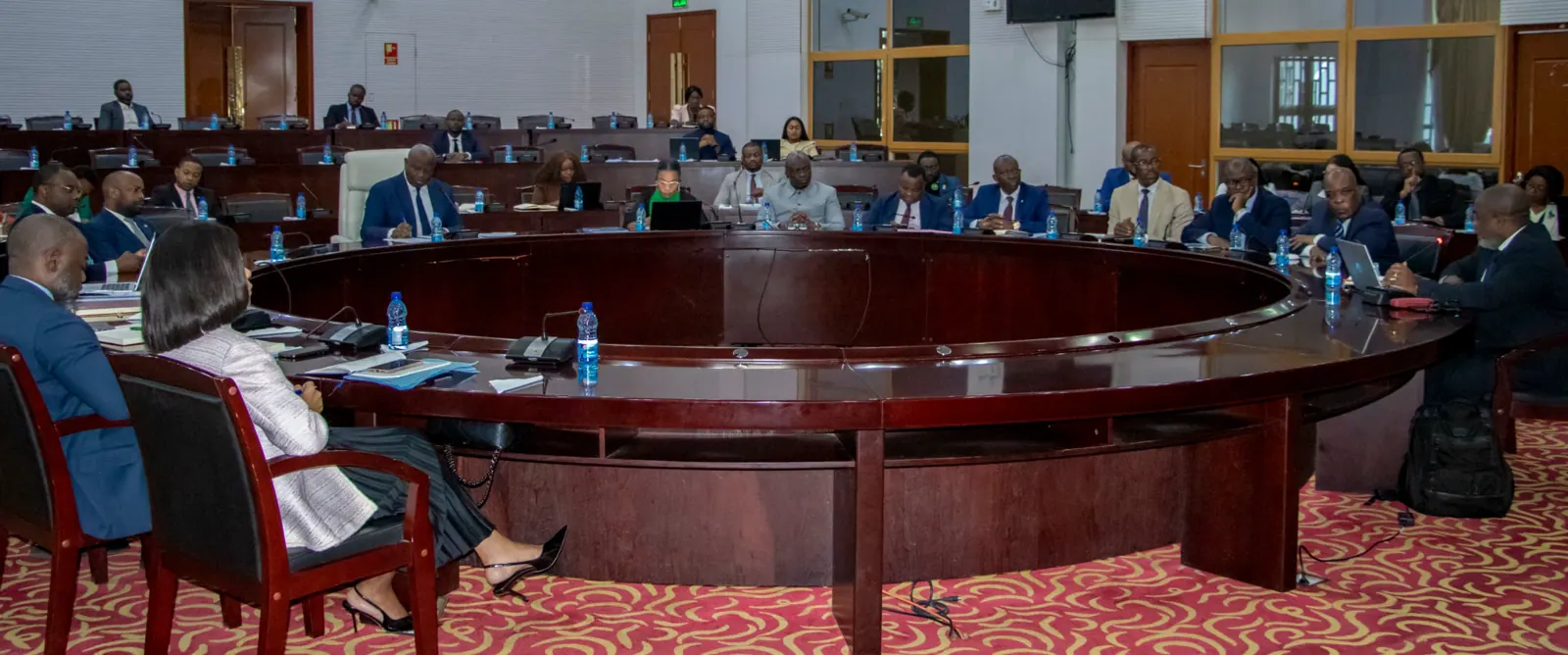
The government of Equatorial Guinea recently convened a meeting to accelerate the implementation of the United Nations' Sustainable Development Goals (SDGs) and prepare for the 2027 voluntary national report. During the opening session, the Prime Minister emphasized the need for a collective responsibility to ensure that the country's commitments to sustainable development translate into coherent public policies, concrete programs, and result-oriented budgets that improve the lives of its citizens.
A national campaign proposal was presented to bring the SDGs closer to the citizens through education, media, social media, audiovisual production, community activities, and partnerships with the private sector, organizations, academia, and international cooperation. This initiative aims to promote a culture of sustainability and encourage citizen participation in achieving the SDGs. The meeting also discussed the importance of aligning the 2030 Agenda with the African Union's 2063 Agenda and Equatorial Guinea's 2035 Agenda.
The 2027 voluntary national report was a key topic of discussion, serving as a tool for evaluation and planning. The report is not only a presentation to the international community but also an instrument to assess progress, identify existing gaps, and establish acceleration measures. The report's findings will inform policy decisions and ensure that the country's development trajectory is aligned with the SDGs.
According to the Secretariat's diagnosis, the voluntary national report will facilitate a dialogue and mobilization process among different sectors to find solutions to materialize the SDGs. This process will contribute to strengthening public policies and institutions, as well as consolidating alliances for their implementation. The government has taken responsibility for orienting its public policies towards fulfilling the SDGs, with a participatory approach that involves the entire population.
The National Commission has identified priority areas for the current exercise, focusing on specific SDGs: quality education (SDG 4), reducing inequalities (SDG 10), responsible production and consumption (SDG 12), life on land (SDG 15), and partnerships to achieve the goals (SDG 17). These priorities will guide the country's efforts to accelerate SDG implementation and achieve its development objectives.
The successful implementation of the SDGs will require coordinated efforts from various government departments, including education, youth, and sports; equality and social affairs; labor; public works and housing; foreign affairs; finance and planning; economy and investments; agriculture and forests; environment; information, press, culture, and tourism; transportation; and telecommunications. A strategy for disseminating and raising awareness about the SDGs will also be launched.
The meeting concluded with a discussion on the proposed lines of action to accelerate SDG implementation and prepare the 2027 voluntary national report. The government is committed to ensuring that its development efforts are aligned with the SDGs and that the country's progress is tracked and reported to the international community.
Key points
- The government of Equatorial Guinea has identified priority SDGs for 2027, including quality education, reducing inequalities, and responsible production and consumption.