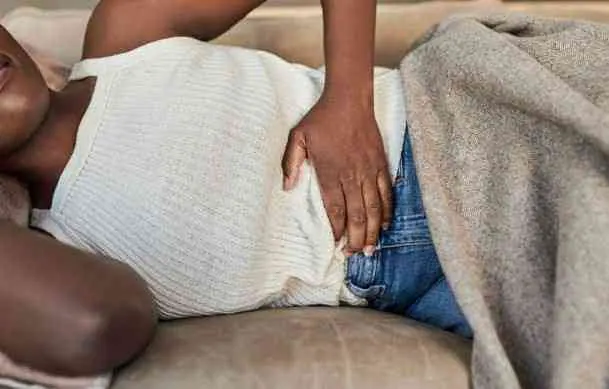
For many women, menstruation is a normal part of life, but for Esther Wambui, it has been a monthly ordeal of intense pain. Her symptoms began when she was 12 years old and included severe cramps, vomiting, and dizziness. At school, she would often use an entire packet of sanitary towels in a day and still worry about leaking and staining her clothes. It took nearly six years for her to understand that her pain was not normal.
Esther's experience is not unique; many women worldwide suffer from endometriosis, a condition where tissue similar to the lining of the uterus grows outside the uterus, causing severe pain, heavy bleeding, and infertility. According to health experts, endometriosis affects millions of women globally, with many cases going undiagnosed or misdiagnosed. In Kenya, the condition is often misunderstood, and women are left to suffer in silence.
The symptoms of endometriosis can vary from woman to woman, but common signs include severe menstrual cramps, heavy or irregular bleeding, and infertility. Some women may also experience pelvic pain, bloating, and fatigue. Despite the prevalence of the condition, many women struggle to get a proper diagnosis, with some waiting years or even decades for a correct diagnosis.
Dr. Jane Muthoni, a gynecologist at Nairobi Hospital, says that endometriosis is a common condition that affects many women in Kenya. "We see many cases of endometriosis in our hospital, and it's often a challenge to diagnose," she says. "Many women are unaware of the condition, and it takes a long time for them to seek medical attention." Dr. Muthoni emphasizes the importance of raising awareness about endometriosis and providing support to women affected by the condition.
The impact of endometriosis on women's lives cannot be overstated. Many women with the condition experience significant disruptions to their daily lives, including missed work or school, social isolation, and emotional distress. Esther Wambui's experience is a testament to the debilitating effects of endometriosis. Her pain was so severe that she would often be unable to attend school or engage in daily activities.
Despite the challenges posed by endometriosis, there is hope for women affected by the condition. With proper diagnosis and treatment, women can manage their symptoms and improve their quality of life. Treatment options for endometriosis include medication, surgery, and lifestyle changes. Dr. Muthoni encourages women to seek medical attention if they experience symptoms of endometriosis, emphasizing that early diagnosis and treatment can make a significant difference.
Raising awareness about endometriosis is crucial to supporting women affected by the condition. By educating women, healthcare providers, and policymakers about the condition, we can work towards improving diagnosis, treatment, and support for women with endometriosis. Esther Wambui's story is a call to action, highlighting the need for greater awareness and understanding of endometriosis in Kenya and beyond.
Key points
- Endometriosis affects millions of women globally, with many cases going undiagnosed or misdiagnosed.
- The condition can cause severe pain, heavy bleeding, and infertility, significantly impacting women's daily lives.
- Raising awareness and providing support are crucial to improving diagnosis, treatment, and quality of life for women with endometriosis.