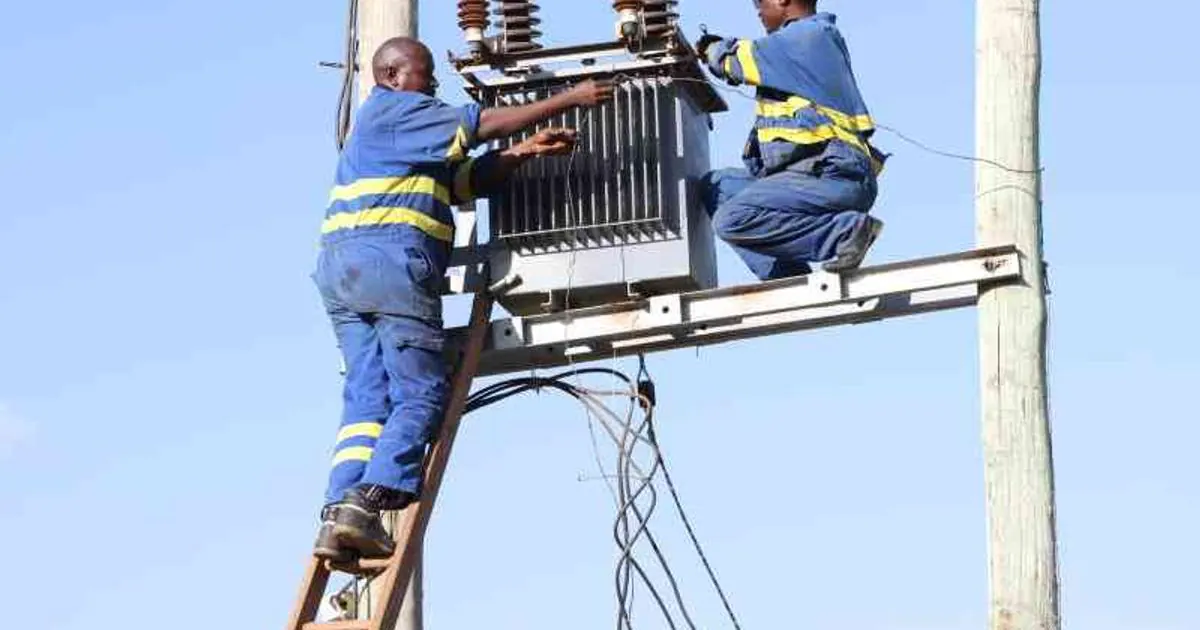
The Last Mile Connectivity Project, launched in 2015 by Kenya Power and the Rural Electrification and Renewable Energy Corporation (REREC), has brought significant changes to rural Kenya. In Kericho, 61 of 82 households in one village have been connected to electricity, marking a substantial shift from traditional lamps for lighting. Residents like Joseph Ruto from Baregeiywet village report improved living conditions. The project now covers all 47 counties, with funding from the government and development partners.
The arrival of electricity has transformed local businesses, enabling them to operate later into the evening. A youth group running a barbershop in Kericho has switched from battery-powered equipment to electric machines. Traders in other areas, such as Masindeni in Kwale, have also benefited from the national grid connection, moving away from solar power. In tea-growing areas of Nandi, communities that had waited years for grid connections now have access to electricity.
Residents attribute improved lighting to enhanced security and longer working hours. In Homa Bay, markets and businesses remain active later into the evening, thanks to reliable electricity. The project's impact extends beyond domestic lighting, with young people starting businesses like welding workshops that require a steady power supply. The connections have also enabled the use of electric equipment, further boosting economic activities.
The cost of connecting a household has decreased over time, from KSh30,000 to a subsidized KSh15,000, with the government covering the remaining cost. This reduction has made it more accessible for rural households to connect to the national grid. Rural Electrification and Renewable Energy Corporation CEO Dr. Rose Mkalama oversees the program, which targets households within 600 meters of an existing transformer.
Despite the progress, access to electricity remains uneven in some communities. In one area, only 500-800 households out of an estimated 1,500-2,000 families have been connected. Other communities experience power interruptions, highlighting gaps in completing connections and maintaining a reliable supply. These challenges underscore the need for continued efforts to ensure equitable access to electricity.
The Last Mile Connectivity Project has been implemented in five phases, with support from development partners like the African Development Bank, World Bank, Japan International Cooperation Agency (JICA), and the French Development Agency. The project's expansion has contributed to a broader shift in rural areas, where electricity access is increasing, and economic activities are diversifying.
As the project continues to cover all 47 counties, its impact on rural Kenya becomes more pronounced. For households connected to the grid, the change is evident in homes, shops, and markets, where electricity is used for lighting, businesses, and other activities that were previously challenging to sustain after dark. The project's success has sparked optimism for a brighter future in rural Kenya.
Key points
- The Last Mile Connectivity Project has connected thousands of rural households to the national grid, transforming their daily lives.
- The project has reduced the connection charge from KSh30,000 to KSh15,000, making it more accessible for rural households.
- Despite progress, uneven access and power interruptions remain challenges in some communities.