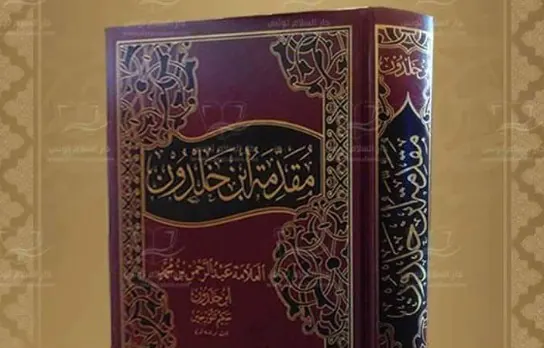
In a significant cultural achievement, Tunisia has celebrated the registration of Ibn Khaldun's seminal work, "Muqaddimah," in UNESCO's Memory of the World register. The announcement was made by historian and coordinator of the International Committee for the Nomination of Ibn Khaldun, Abdelhamid Arqash, during a ceremony at the Palace of Arts, Culture, and Literature in Bardo. The event was attended by numerous intellectuals, researchers, and cultural enthusiasts.
The ceremony also saw the awarding of the Ibn Khaldun Prize for Human and Social Sciences and the Mahmoud Darwish Prize for Poetry. Arqash highlighted the importance of these prizes, both nationally and internationally, and noted that the occasion was an opportunity to celebrate the recognition of Ibn Khaldun's work by UNESCO. He explained that four countries, including Tunisia, Algeria, Turkey, and Egypt, had submitted files for the nomination of Ibn Khaldun and his works for inclusion in the register.
Arqash emphasized that the recognition of "Muqaddimah" in the Memory of the World register was the result of efforts by many intellectuals and thinkers from Tunisia and other countries who contributed to preparing the file and providing historical manuscripts and documents related to Ibn Khaldun and his intellectual legacy. He added that the initiative to register Ibn Khaldun began in 2024 and culminated in the inclusion of "Muqaddimah" in the register, which aims to preserve documentary heritage of global value and make it available to future generations.
The Memory of the World register is a prestigious recognition that acknowledges the cultural and historical significance of Ibn Khaldun's work. Ibn Khaldun, a renowned historian and sociologist, wrote "Muqaddimah" in the 14th century, which is considered one of the most important works in the fields of sociology, philosophy, and historiography. The recognition by UNESCO is expected to promote a greater understanding and appreciation of Ibn Khaldun's contributions to human knowledge.
The ceremony in Bardo was a testament to the significance of Ibn Khaldun's work and its impact on Tunisian culture and identity. The event brought together experts, researchers, and cultural enthusiasts to celebrate this achievement and to highlight the importance of preserving and promoting Tunisia's rich cultural heritage. The recognition of Ibn Khaldun's work by UNESCO is also expected to boost cultural tourism and promote Tunisia's cultural diversity.
The Ibn Khaldun Prize for Human and Social Sciences and the Mahmoud Darwish Prize for Poetry are prestigious awards that recognize outstanding contributions in their respective fields. The prizes are part of Tunisia's efforts to promote cultural and intellectual achievements and to encourage creativity and innovation. The awards ceremony was a fitting tribute to Ibn Khaldun's legacy and a celebration of Tunisia's rich cultural heritage.
The recognition of Ibn Khaldun's "Muqaddimah" in UNESCO's Memory of the World register is a significant milestone for Tunisia's cultural and intellectual heritage. The event has sparked widespread interest and enthusiasm, and is expected to promote a greater understanding and appreciation of Ibn Khaldun's contributions to human knowledge.
Key points
- Tunisia celebrates UNESCO recognition of Ibn Khaldun's "Muqaddimah" in its Memory of the World register.