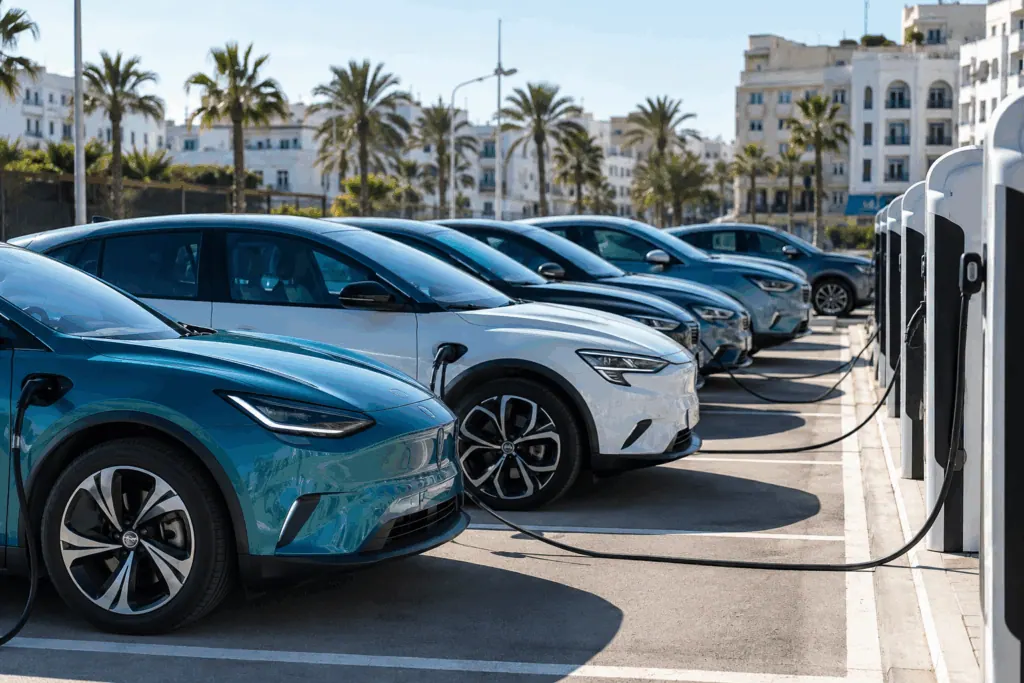
The growth of electric vehicles is transforming the global oil market, with the International Energy Agency (IEA) predicting that their increasing adoption could save up to 5 million barrels of oil per day by 2030. This development marks a significant shift in the global energy landscape, with electric vehicles becoming a major factor in reducing oil demand. According to the IEA's Global EV Outlook 2026 report, electric vehicles have already saved around 1.7 million barrels of oil per day in 2025.
The IEA report highlights that over 20 million electric vehicles were sold worldwide in 2025, accounting for approximately a quarter of new car sales. China remains the leading market for electric vehicles, with 55% of new car sales in the country being electric in 2025. Europe and the United States also saw significant growth in electric vehicle sales, with 28% and 10% of new car sales being electric, respectively. This rapid growth in electric vehicle sales is expected to continue, driven by increasing environmental concerns and government policies supporting the adoption of electric vehicles.
The impact of electric vehicles on oil demand is significant, with the transportation sector being a major consumer of oil. Replacing traditional gasoline-powered vehicles with electric vehicles reduces oil consumption, which in turn affects the global oil market. The IEA's Oil Market Report - September 2026 predicts a decline in global oil demand of 2.5 million barrels per day in 2026, while global oil supply is expected to decrease by 5.7 million barrels per day. The growing adoption of electric vehicles adds a structural factor to an already volatile market.
China plays a crucial role in the transition to electric vehicles, with the country accounting for a significant portion of global electric vehicle sales. According to the IEA, electric vehicles in China have already saved around 1 million barrels of oil per day in 2025, with this number expected to increase to 2.7 million barrels per day by 2030. The adoption of electric vehicles in China not only reduces oil consumption but also enhances the country's energy security by reducing its dependence on imported oil.
The growth of electric vehicles has significant implications for countries that are major oil importers. By reducing oil consumption, these countries can lower their oil bills and mitigate their exposure to fluctuations in global oil prices and geopolitical tensions. The development of electric vehicles is becoming an increasingly important issue for industries, energy, and geopolitics. As the global energy landscape continues to evolve, the adoption of electric vehicles is likely to play a major role in shaping the future of transportation and energy consumption.
The increasing adoption of electric vehicles is driven by a range of factors, including government policies, declining battery costs, and growing consumer awareness of environmental issues. As the costs of electric vehicles continue to fall, they are becoming increasingly competitive with traditional gasoline-powered vehicles. The IEA predicts that the growth of electric vehicles will continue in the coming years, driven by increasing demand for environmentally friendly transportation options and government policies supporting the adoption of electric vehicles.
The transition to electric vehicles marks a significant shift in the global energy landscape, with the potential to reduce oil consumption and mitigate the impacts of climate change. As the world continues to transition towards a low-carbon economy, the growth of electric vehicles is likely to play a major role in shaping the future of transportation and energy consumption. With the global electric vehicle market expected to continue growing, it is likely that the impacts of electric vehicles on the global oil market will become increasingly significant in the coming years.
Key points
- Electric vehicles could save up to 5 million barrels of oil per day by 2030.
- China is leading the growth in electric vehicle adoption, with 55% of new car sales in the country being electric in 2025.
- The growth of electric vehicles has significant implications for countries that are major oil importers, allowing them to reduce their oil bills and mitigate their exposure to fluctuations in global oil prices.