The global electric vehicle market has experienced a significant downturn following the expiration of a federal tax credit in September 2025. According to data from car analytics companies, electric vehicle sales have declined by 36% compared to the previous year. This decline is attributed to the loss of the tax credit, which had helped reduce the cost of electric vehicles. In contrast, Zimbabwe's automotive market has not seen significant adoption of electric vehicles.
Despite the decline in electric vehicle sales globally, hybrid sales have seen a significant increase. In the United States, hybrid sales have risen by almost 27% in the past year, according to data from Edmunds. This trend is also being observed in Zimbabwe, where consumers are increasingly turning to hybrid vehicles as a more affordable alternative to electric vehicles. Industry experts attribute this shift to the higher fuel economy and lower costs associated with hybrid vehicles.
The federal tax credit, which was introduced in 2008, had provided a significant incentive for consumers to purchase electric vehicles. The credit, which was worth up to $7,500, was designed to help offset the higher cost of electric vehicles. However, the credit was phased out in September 2025, leading to a decline in electric vehicle sales. In Zimbabwe, the absence of a similar tax credit has meant that electric vehicle sales have been slow to take off.
Industry experts believe that the decline in electric vehicle sales is temporary and that the market will recover as new models become available and prices decrease. However, in the short term, hybrid vehicles are likely to remain a popular choice for consumers. In Zimbabwe, the government has implemented policies to encourage the adoption of electric vehicles, including the reduction of import duties on electric vehicles.
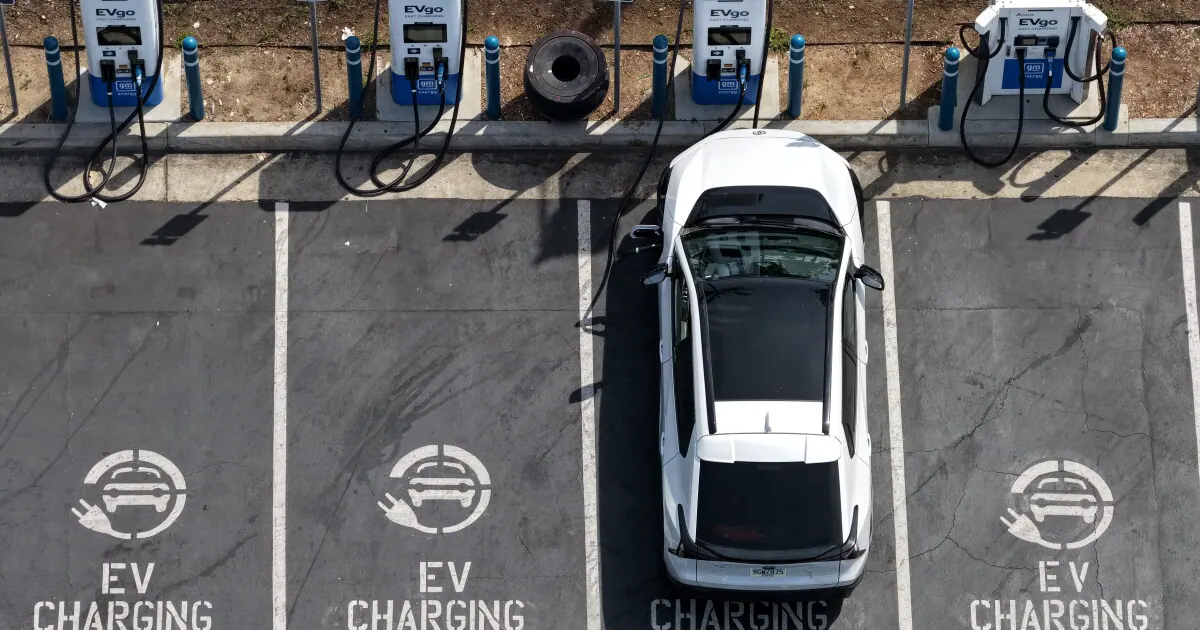
The decline in electric vehicle sales has also been attributed to consumer concerns about charging infrastructure and battery range. In Zimbabwe, the lack of charging infrastructure is a significant barrier to the adoption of electric vehicles. However, industry experts believe that the development of charging infrastructure will improve in the coming years, making electric vehicles more viable for consumers.
Despite the challenges facing the electric vehicle market, industry experts remain optimistic about the long-term prospects for electric vehicles. In Zimbabwe, the government has set targets to increase the adoption of electric vehicles, including the goal of having 10% of all new vehicle sales be electric by 2030. Industry experts believe that this goal is achievable, but it will require significant investment in charging infrastructure and education campaigns to raise awareness about the benefits of electric vehicles.
In conclusion, the expiration of the federal tax credit has had a significant impact on electric vehicle sales globally, including in Zimbabwe. However, industry experts believe that the market will recover as new models become available and prices decrease. In the short term, hybrid vehicles are likely to remain a popular choice for consumers, but the long-term prospects for electric vehicles remain positive.
Key points
- The expiration of the federal tax credit has led to a decline in electric vehicle sales globally.
- Hybrid sales have seen a significant increase in the past year, driven by consumer concerns about electric vehicle range and charging infrastructure.
- Industry experts remain optimistic about the long-term prospects for electric vehicles, citing improving technology and decreasing prices.