The Ugandan government is seeking additional support to help refugees and vulnerable citizens become self-sufficient, reducing their reliance on humanitarian aid. This appeal was made during a symposium focused on the Graduation Model, an initiative designed to equip vulnerable families with skills, enable them to start businesses, and enhance their livelihoods. The model aims to empower these individuals to improve their socio-economic status.
The Graduation Model symposium brought together various stakeholders to discuss strategies for implementing this approach. Participants emphasized the need for sustained support to ensure the initiative's success. By acquiring skills and starting their own businesses, refugees and vulnerable Ugandans can reduce their dependence on aid and contribute to the country's economic growth. This approach also fosters social cohesion and integration.
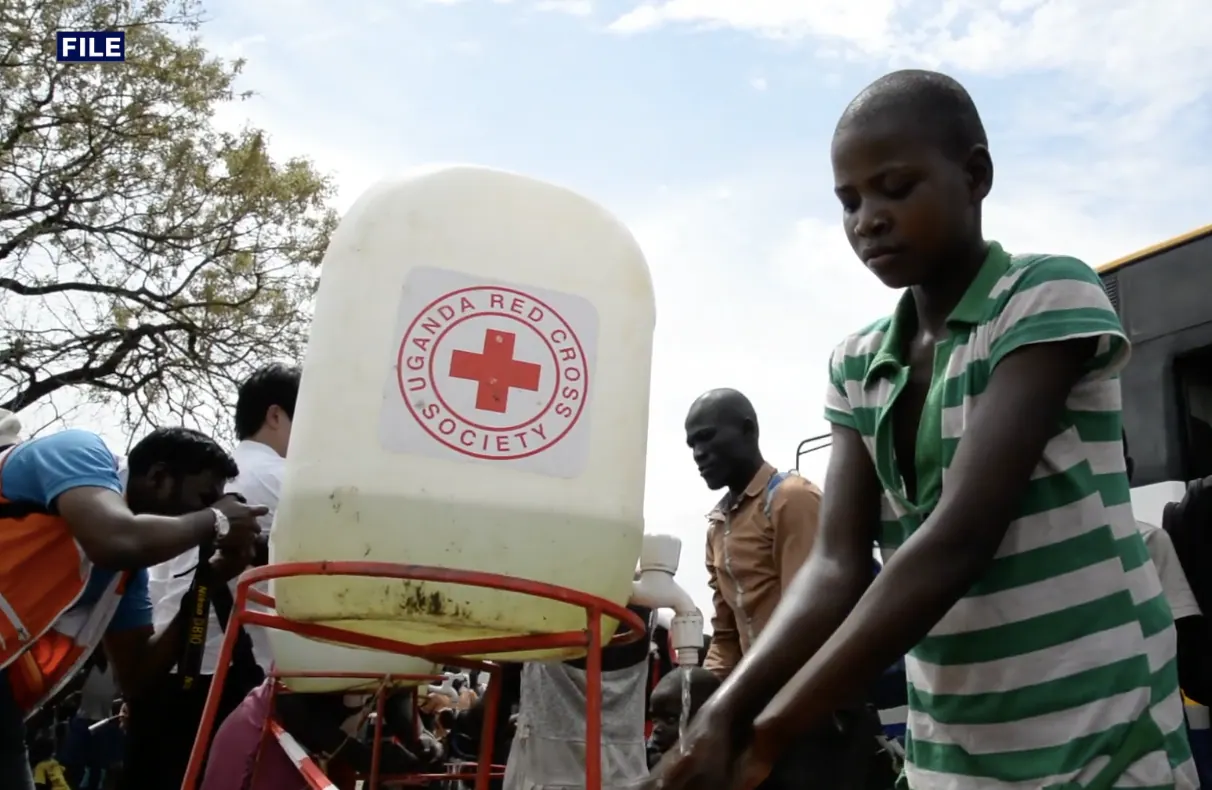
Uganda hosts a significant number of refugees, with many living in camps. The government, in collaboration with international organizations, has been working to provide assistance to these individuals. However, the goal is to move beyond mere humanitarian aid and empower them to become self-reliant. The Graduation Model has shown promise in achieving this objective, and stakeholders are advocating for expanded support to reach more people.
The symposium highlighted the importance of collaboration between government agencies, NGOs, and private sector stakeholders to ensure the success of the Graduation Model. By working together, these entities can pool resources, expertise, and funding to support vulnerable populations. This collective effort can help create a more sustainable and impactful solution to refugee dependence on humanitarian aid.
One of the key challenges facing the Graduation Model is the need for sustained funding. While initial investments have been made, long-term support is required to ensure the initiative's continuity and scalability. Stakeholders are urging donors to commit to providing ongoing financial assistance to help Uganda achieve its goals. This support will enable the government to reach more refugees and vulnerable citizens.
The Ugandan government is committed to implementing the Graduation Model nationwide. Officials believe that this approach can be replicated in other regions, with adaptations to suit local contexts. By doing so, the government aims to make a meaningful impact on the lives of thousands of people, helping them to break the cycle of dependence on humanitarian aid.
In conclusion, Uganda's call for increased support to reduce refugee dependence on humanitarian aid has gained momentum. The Graduation Model offers a promising solution, and stakeholders are working together to ensure its success. With sustained support, this initiative can empower refugees and vulnerable Ugandans to become self-reliant, contributing to the country's economic growth and social development.
Key points
- The Ugandan government is seeking additional support to help refugees and vulnerable citizens become self-sufficient.
- The Graduation Model aims to empower vulnerable families with skills to start businesses and enhance their livelihoods.
- Sustained funding is required to ensure the continuity and scalability of the Graduation Model.