The El Niño phenomenon, declared in June, is expected to become the most intense ever recorded, exacerbating extreme weather events caused by human-induced climate change. Its peak is anticipated between October and December. According to UNICEF, 25.8 million children and adolescents in Latin America face increasing risks due to drought or excessive rainfall linked to El Niño.
The effects of El Niño vary across Latin American regions. In Guatemala, El Salvador, Honduras, and Nicaragua, drought will impact agricultural production, leading to food insecurity and malnutrition among children, who already struggle to access sufficient food and clean water. In other areas, the risk of fires increases, such as in parts of Bolivia, Colombia, Chile, and Venezuela.
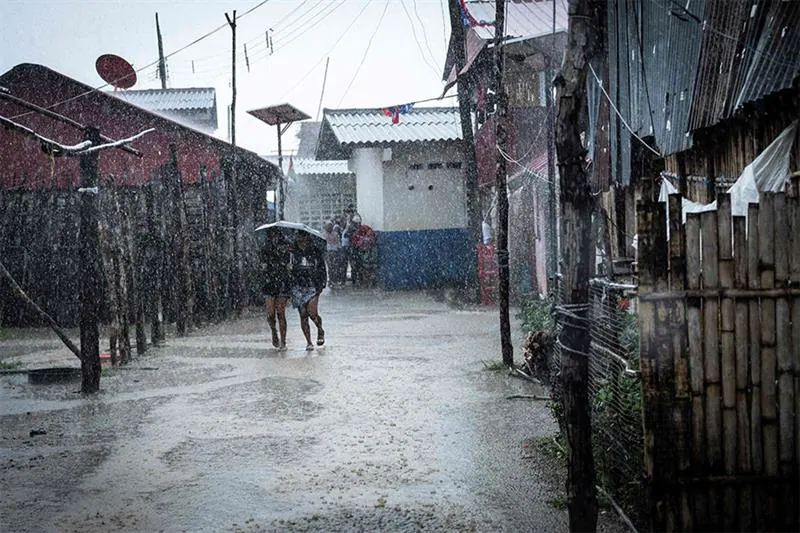
In the Amazon basin, communities may become isolated due to declining river levels. In the Caribbean, El Niño could worsen prolonged crises in Cuba and Haiti, UNICEF warns. Meanwhile, on the Pacific coast of Mexico and South America, increased rainfall will heighten the risk of floods and damage to schools and healthcare infrastructure.
A single powerful storm can cause widespread destruction and disrupt the lives of hundreds of thousands of children and their families, according to Roberto Benes, UNICEF's director for Latin America and the Caribbean. He emphasized the need for enhanced preparedness, protection of essential services, and ensuring children receive necessary support.
UNICEF has requested $53.8 million to respond to El Niño-related emergencies in Latin America but had only secured half of this amount by June 30. The organization stresses that El Niño represents a significant threat to the health, well-being, and development of children and adolescents in the region.
The current El Niño event is expected to be the most powerful since four decades, according to the United Nations. This natural phenomenon, combined with human-caused climate change, is likely to intensify extreme weather events. The UN and UNICEF are urging governments and partners to take urgent action to mitigate the impacts of El Niño on vulnerable populations.
The situation is particularly concerning in regions where children and adolescents already face significant challenges, including poverty, inequality, and limited access to basic services. UNICEF and other organizations are working to support affected communities, but more resources and action are needed to address the scale and complexity of the crisis.
Key points
- 25.8 million children and adolescents in Latin America are at risk due to drought or excessive rainfall linked to El Niño.
- UNICEF has requested $53.8 million to respond to El Niño-related emergencies in Latin America.
- The current El Niño event is expected to be the most powerful since four decades.