An El Niño event has been ongoing since June and is expected to last until spring 2027. The phenomenon is already having an impact on the environment, with visible effects captured by NASA satellites. Changes in chlorophyll concentrations in the water have been observed, indicating a shift in phytoplankton levels. Chlorophyll is a key indicator of phytoplankton abundance, and its decrease can have a ripple effect throughout the marine food chain.
According to NASA, phytoplankton growth relies on the upwelling of deep waters rich in nutrients. During an El Niño event, the weakening of equatorial trade winds leads to a deeper layer of warm ocean water, reducing the upwelling of cold, nutrient-rich water that typically supports phytoplankton growth. This decrease in phytoplankton can have far-reaching consequences, affecting zooplankton and, subsequently, fish populations that rely on them for food.
The impact of El Niño on phytoplankton levels is particularly concerning, as it can affect not only biodiversity but also the fishing industry. Species such as anchovies and sardines, which are commonly caught by humans, are also affected by the decrease in phytoplankton. Peru, for example, has experienced a significant decline in fishing during El Niño phases. The country's fishing industry is heavily reliant on these species, and the decline can have significant economic and social implications.
In contrast, La Niña events, which are characterized by cooler ocean temperatures, can have a positive effect on phytoplankton growth and, subsequently, fish populations. This can lead to an increase in fishing yields and a boost to the fishing industry. Understanding the relationship between El Niño, phytoplankton, and fishing can help communities and industries prepare for and adapt to these changes.
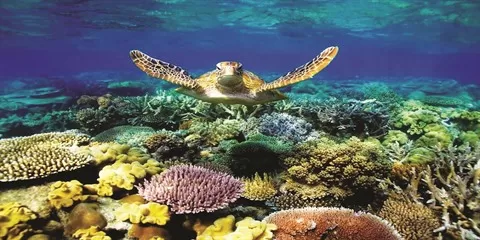
The warming of ocean waters associated with El Niño also poses a threat to coral reefs, which are already experiencing a global bleaching event. The stress caused by rising temperatures can lead to coral death, which can have devastating consequences for the ecosystems that rely on them. Monitoring the evolution of Pacific coral reefs in the coming months will be crucial in understanding the full impact of El Niño.
The effects of El Niño on marine life are not limited to the Pacific region. Changes in ocean temperatures and phytoplankton levels can have far-reaching consequences, affecting ecosystems and industries globally. As the El Niño event continues, it is essential to monitor its impact on marine life and to develop strategies to mitigate its effects.
Scientists and researchers will be closely monitoring the situation in the coming months, tracking changes in phytoplankton levels, coral reefs, and fish populations. By understanding the impact of El Niño on marine life, we can better prepare for and respond to these changes, ultimately working to protect and preserve the health of our oceans.
Key points
- El Niño event causes changes in ocean's phytoplankton levels
- Decrease in phytoplankton can affect fishing industry and biodiversity
- El Niño's impact on coral reefs poses threat to ecosystems