The local administration of Mallawi, in Egypt's Minya Governorate, continues its efforts to meet the educational needs of rural villages. This initiative aligns with directives from Governor Emad Kaddwani to expand school construction and enhance the capacity of existing schools. The goal is to alleviate overcrowding in classrooms and reduce the reliance on double-shift schooling.
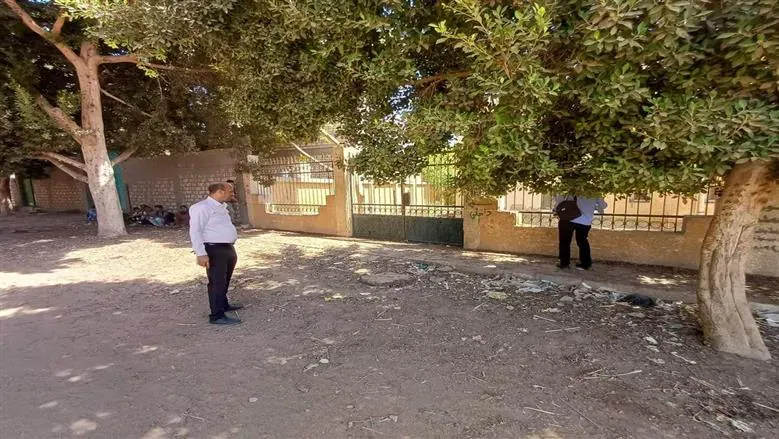
Ahmad Khalaf Abdel Aziz, the head of Mallawi's local administration, recently conducted a field visit to oversee the expansion of educational facilities. The visit included inspecting a proposed site for the expansion of Tadres Primary School in the village of Abshadat. This inspection, attended by representatives from the Educational Buildings Authority and local leaders, aimed to assess the site's suitability and potential for development.
The site inspection was part of a broader strategy to evaluate and address educational needs across Mallawi. Discussions during the visit focused on the proposed site and the overall educational requirements of the area. These efforts are preparatory steps for coordinating with relevant authorities to move forward with the project.
This initiative follows a meeting that took place the previous day, which brought together stakeholders including representatives from the Educational Buildings Authority, members of parliament, and local executive leaders. The meeting was centered on identifying the need for new schools in Mallawi's villages and exploring ways to expand existing educational facilities.
The objective of these actions is to reduce classroom overcrowding and diminish the necessity for double-shift schooling. By doing so, the authorities aim to improve the quality of education provided to students in Mallawi. The comprehensive approach involves surveying educational needs in various villages and physically inspecting potential sites for new or expanded schools.
According to Abdel Aziz, the local administration is committed to continuing its efforts to catalog educational needs across the region. This involves collaboration with the Educational Buildings Authority, members of parliament and the senate, and relevant executive bodies. The ultimate goal is to create a conducive learning environment and increase the absorptive capacity of schools.
The push to enhance educational infrastructure in Mallawi reflects a broader commitment to improving public services in rural areas. By focusing on education, local authorities aim to provide students with better learning opportunities and lay the groundwork for community development.
Key points
- The Egyptian authorities are working to expand educational facilities in rural areas to reduce classroom overcrowding.