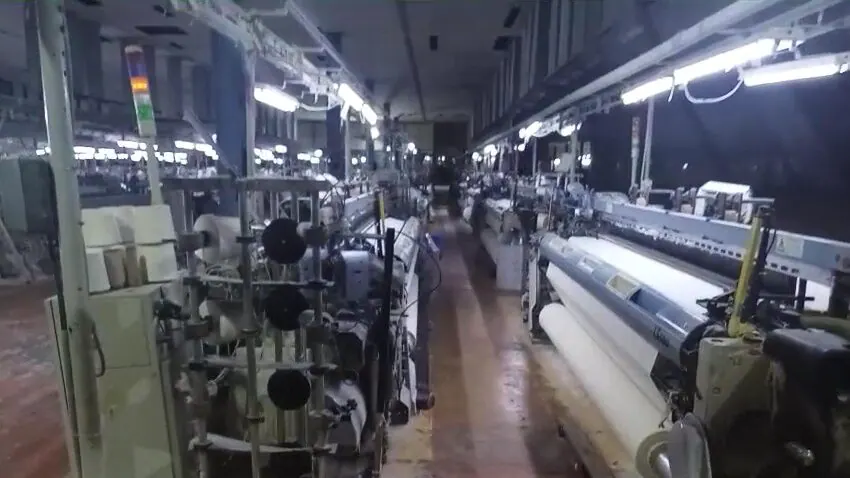
Around 100 workers from the state-owned Ameria Spinning and Weaving Company in Alexandria have filed a collective complaint with the Labor Directorate. They claim large deductions were made from their September salaries, specifically from production incentives and overtime pay. The workers are demanding an increase in meal allowances and an end to compulsory leave imposed on them. This move comes after the company's management stopped operations in early August, citing maintenance and inventory.
The workers had gone on strike in late July to protest the calculation of a 12% bonus based on their basic salary rather than their insurance-based salary. Following the strike, the company decided to halt operations, restricting attendance to only those required. The management assured that salaries and legally stipulated wages would continue to be paid on time. However, upon receiving their September salaries, workers found significant deductions, ranging from 1,000 to 1,500 Egyptian pounds per worker.
The deductions prompted around eight workers to initially file complaints with the Labor Directorate. The directorate then contacted the company's CEO to review the workers' salary details and verify if the deductions were lawful. On the same day, nearly 100 workers gathered at the Labor Directorate to file a collective complaint against the company. They expressed frustration as the company's management failed to show up for discussions.
According to labor laws, specifically article 111, employers are required to pay full wages to workers who attend work and are under the employer's supervision, even if they are unable to work due to reasons attributable to the establishment. However, if the work stoppage is due to unforeseen circumstances beyond the employer's control, the employer is only obligated to pay half of the wage.
Labor lawyer Mohamed Fotouh explained that routine or periodic maintenance is considered part of the establishment's risks and is not classified as a force majeure. Therefore, workers are entitled to their full wages during such periods. Fotouh added that production incentives may be exempt if the production target is not met, but if the company's internal policies guarantee a minimum incentive, workers have a right to it.
The company's decision to halt operations during the workers' strike has raised concerns. Legal advisor Ashraf El-Sharbini noted that the stoppage, coinciding with the strike, does not constitute a force majeure. El-Sharbini suggested that labor inspectors should verify the company's claims and assess its connection to the workers' strike.
This is not the first labor dispute at Ameria Spinning and Weaving Company. In 2015, the factory was closed for a month after workers went on strike demanding payment of incentives and allowances. The current dispute highlights ongoing issues between the company's management and its workforce regarding wages, benefits, and working conditions.
Key points
- Workers from Ameria Spinning and Weaving Company file a collective complaint over large salary deductions.
- The deductions were made despite the company's assurance to continue paying salaries during the work stoppage.
- The workers are demanding an increase in meal allowances and an end to compulsory leave.