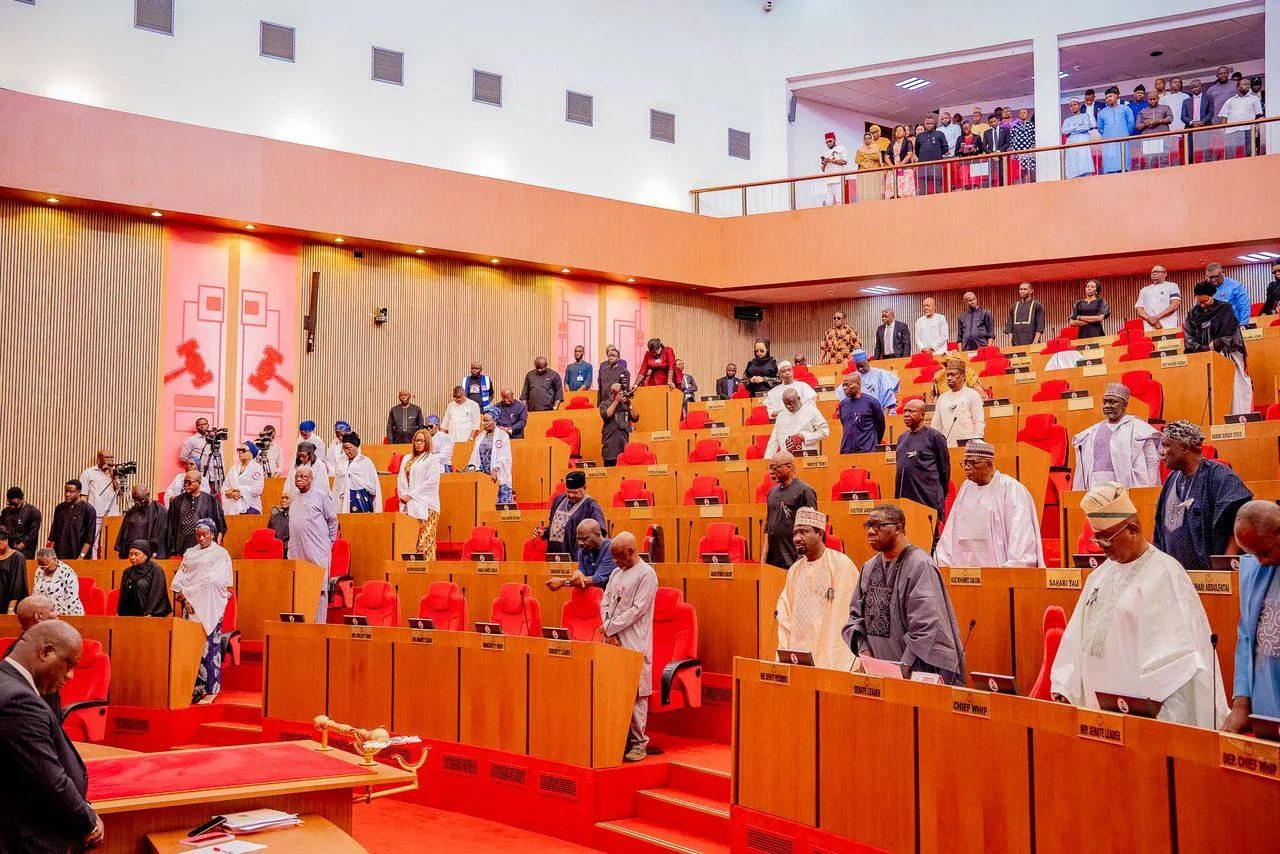
The Nigerian Senate has extended the implementation period of the capital component of the 2025 budget from September 30 to December 31, 2026. This decision was made during a plenary session, after considering a bill seeking to amend the implementation period of the budget. The bill was presented by Senate Leader Opeyemi Bamidele, who argued that the extension was necessary to allow ministries, departments, and agencies sufficient time to complete capital projects for which funds had already been appropriated and released.
This is the fourth time lawmakers have extended the implementation period of the capital component of the 2025 budget. Initially scheduled to end on December 31, 2025, the implementation period was first extended to March 31, 2026, to allow the federal government to complete ongoing projects captured in the budget. When that deadline expired, lawmakers extended the implementation period to June 30, 2026, and later to September 30, 2026. The repeated extension of the capital component of budgets has been a source of concern since the Bola Tinubu administration assumed office.
President Bola Tinubu had promised to end the practice of operating overlapping budgets while presenting the 2026 budget before a joint session of the National Assembly in December 2025. He assured Nigerians that by March 31, 2026, all capital liabilities would have been fully funded and closed. However, the latest extension indicates that the capital component of the 2025 budget will remain open until the end of 2026, suggesting that the government has not met the timeline outlined by the president.
The debate on the appropriation bill was presented by Senate Leader Opeyemi Bamidele, who emphasized the need to protect ongoing public investments, facilitate the completion of critical projects, prevent avoidable waste of public resources, and maximize the value derivable from funds already appropriated and released. The Deputy Senate President, Barau Jibrin, also described the bill as necessary to prevent the proliferation of abandoned projects across the country.
The Minority Leader, Abba Moro, supported the extension but cautioned senators against turning the debate into an avenue for blaming previous administrations. He urged lawmakers to focus on measures that would enable the government to implement its programmes and projects, rather than making political comparisons. After the debate, Senate President Godswill Akpabio put the bill to a voice vote, and the majority of lawmakers voted in favour of the extension.
The House of Representatives had earlier in the day extended the life of the budget. The Senate Committee on Supply had also considered the bill before it was presented to the plenary session. The extension of the implementation period is aimed at allowing the government to complete projects initiated under the 2025 appropriation rather than allowing them to remain unfinished due to the expiration of the statutory deadline.
The practice of extending budget implementation periods has been criticized by lawmakers and economic analysts. Former Minister of Finance and Coordinating Minister of the Economy, Wale Edun, had pledged that the government would end the practice of extending budget implementation beyond the fiscal year. However, the latest extension suggests that the government is still grappling with implementing its budget within the fiscal year.
Key points
- The Nigerian Senate has extended the implementation period of the 2025 budget to December 31, 2026.
- This is the fourth time lawmakers have extended the implementation period of the capital component of the 2025 budget.
- The extension is aimed at allowing the government to complete ongoing projects captured in the budget.