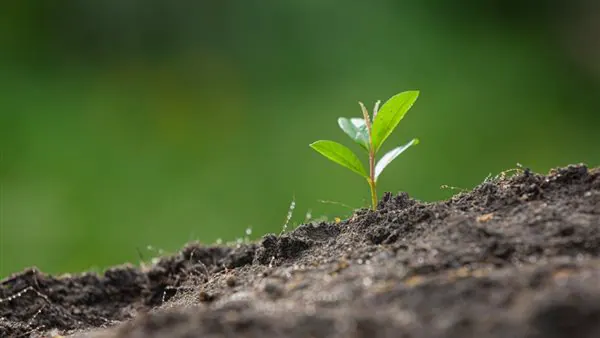
A researcher at Ain Shams University, Amira Hassan Saad Hassan, has created a natural hydrogel using agricultural waste to help retain water in the soil and make it available to plants gradually. The innovative solution aims to address Egypt's water scarcity issue and promote smart agriculture. The hydrogel is designed to absorb and store water, which can then be released to plants as needed, reducing the need for frequent irrigation.
The idea behind the hydrogel is to help plants make the most of the water available to them. In sandy soils, which are common in Egypt, water can quickly drain away, making it difficult for plants to absorb what they need. By retaining water in the soil, the hydrogel can help reduce the amount of water lost and make irrigation more efficient. This can lead to cost savings for farmers and a more sustainable use of water resources.
The hydrogel is made from recycled agricultural waste, which is converted into a natural material that can absorb and store water. This approach not only helps to conserve water but also reduces the amount of waste generated by agricultural activities. The researcher believes that the hydrogel can be used in a variety of applications, including farming, gardening, and even land reclamation.
To test the effectiveness of the hydrogel, Hassan conducted an experiment using parsley plants. The plants were grown in soil with and without the hydrogel and then subjected to drought conditions for 12 days without irrigation. The results showed that the plants grown with the hydrogel continued to thrive, while those without it began to wither and die. This suggests that the hydrogel can help plants survive for longer periods without water.
The researcher plans to further develop the hydrogel to make it even more effective. She hopes to add beneficial microorganisms and nutrients to the hydrogel, which can help to improve soil fertility and plant growth. This could lead to a range of new applications, including the use of the hydrogel as a soil amendment or as a carrier for fertilizers and pesticides.
The development of the hydrogel has the potential to make a significant impact on Egypt's agricultural sector. With the country's water resources under pressure, finding new ways to conserve water and make irrigation more efficient is crucial. The hydrogel could help to improve crop yields, reduce water consumption, and promote more sustainable agricultural practices.
The project has also highlighted the potential for innovation and entrepreneurship in the field of sustainable agriculture. By developing a new product from agricultural waste, Hassan has created a new business opportunity that could benefit farmers, manufacturers, and the environment. As the project moves forward, it will be interesting to see how the hydrogel is received by farmers, policymakers, and other stakeholders.
Key points
- The hydrogel can help retain water in the soil and make it available to plants gradually.
- The hydrogel is made from recycled agricultural waste, reducing waste and conserving water.
- The project has the potential to improve crop yields, reduce water consumption, and promote more sustainable agricultural practices.