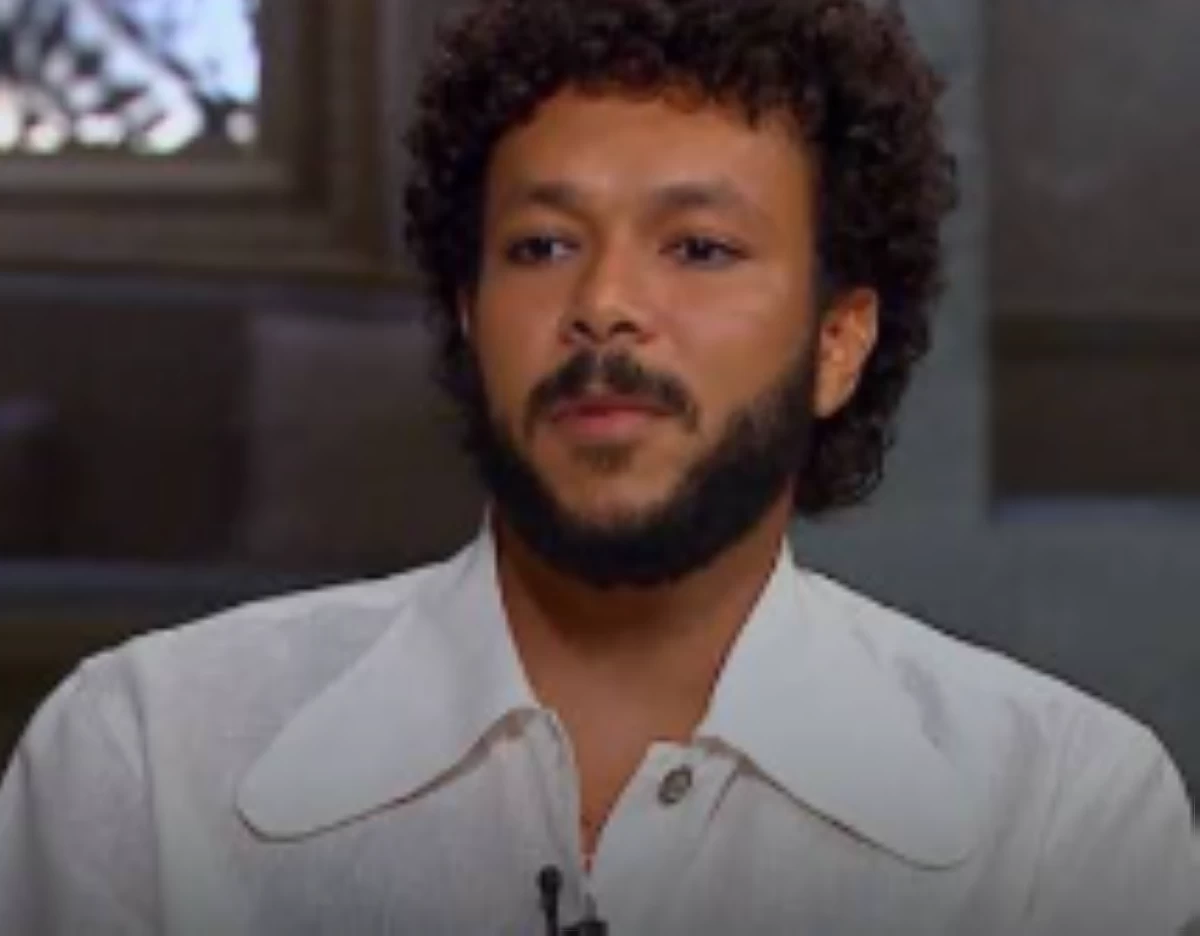
Egyptian rapper Wizgaa has sparked controversy with his latest song, which features a phrase from a hadith, or saying of the Prophet Muhammad. The phrase, "لكل امرئ ما نوى" or "every person gets what they intend," is part of a larger hadith that reads, "إنما الأعمال بالنيات، وإنما لكل امرئ ما نوى" or "Actions are judged by their intentions, and every person gets what they intend." This has led to criticism from some, including Islamic scholar Khaled Zaki.
Khaled Zaki took to Instagram to express his disapproval of Wizgaa's use of the religious text in his song. Zaki's criticism sparked a heated debate among fans and followers, with many weighing in on the issue. Wizgaa has since responded to the criticism, stating that he was unaware that the phrase was from a hadith and requesting clarification on the religious ruling regarding the use of such phrases in musical works.
In his response, Wizgaa expressed his willingness to make changes to the song and remove the contentious phrase. He stated that he is eager to understand the religious implications of his actions and to make amends if necessary. Wizgaa's response has been seen as a conciliatory move, aimed at diffusing tensions and avoiding further controversy.
The incident highlights the challenges faced by artists in Egypt, where cultural and religious sensitivities are often high. The use of religious texts in art and music is a sensitive topic, and Wizgaa's experience serves as a reminder of the need for artists to be mindful of these sensitivities. The controversy has also sparked a wider debate about the role of religion in art and the limits of creative expression.
Wizgaa's song is not the first example of an Egyptian artist facing criticism for their work. In recent years, several artists have faced backlash for their lyrics, which have been deemed to be morally or culturally objectionable. The incident serves as a reminder of the importance of cultural and religious sensitivity in artistic expression.
The Egyptian music scene is known for its diversity and creativity, with many artists pushing boundaries and exploring new themes. However, the controversy surrounding Wizgaa's song serves as a reminder of the need for artists to be aware of their audience and to be respectful of cultural and religious norms. Wizgaa's willingness to engage with critics and to make changes to his song has been seen as a positive step.
The incident is still unfolding, with many fans and followers eagerly awaiting Wizgaa's next move. As the situation continues to develop, it remains to be seen how Wizgaa's music will be received by his fans and the wider public. One thing is certain, however: the controversy has sparked a much-needed conversation about the intersection of art and religion in Egypt.
Key points
- Wizgaa faces criticism for using a religious text in his new song.
- The rapper responds to criticism, stating that he was unaware of the phrase's origin and requesting clarification on the religious ruling.
- The incident highlights the challenges faced by artists in Egypt, where cultural and religious sensitivities are often high.