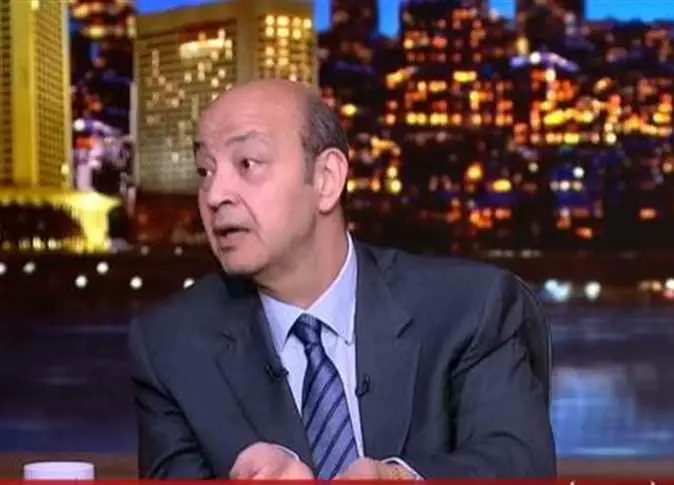
In a recent television appearance on MBC Egypt's program "Al-Hekaya," Egyptian politician Mustafa Bakri voiced his opposition to President Abdel Fattah el-Sisi's decision not to run for re-election. Bakri's comments sparked a heated debate with host Amr Adib. Bakri stated that he is prioritizing the nation's interests, emphasizing that "the country is more important than anything." This stance marks a significant departure from Bakri's previous alignment with the president.
During the discussion, Adib questioned the compatibility of Bakri's stance with respecting the will of the people. Adib asked, "Don't you think the president has disregarded the people's opinion and will?" Bakri's response highlighted his focus on the nation's welfare over individual preferences. The conversation also touched on potential constitutional amendments and the terms of parliamentary and local councils.
Adib inquired about the proposed legal mechanism for altering the constitution, suggesting that such changes would need to be presented to the president. Bakri clarified that he did not intend to imply that they would impose changes on the president but rather open the door to proposals grounded in constitutional and legal frameworks. He emphasized the existence of flaws in the current constitution that necessitate addressing.
The discussion turned to the practicality of pursuing constitutional changes when the president has expressed disinterest. Bakri maintained that his opinion on the necessity of amendments does not depend on the president's stance. He cited the example of the stalled Local Administration Law, among other issues. Adib countered by pointing out the potential contradiction in their approach, given the president's commitment to the constitution and democratic principles.
Adib expressed concern that their efforts might be perceived as attempting to impose a dictatorial approach, contrary to democratic values. Bakri reiterated the importance of the people's sovereignty, drawing on historical precedents. He referenced the late President Gamal Abdel Nasser's decision to step down, only to be persuaded by the public to continue his national and developmental projects.
The debate between Adib and Bakri underscores the complexities and divisions within Egypt's political landscape. Bakri's decision to openly oppose Sisi's stance on re-election is seen as a significant move. The discussion highlights the ongoing discussions about constitutional amendments, the role of the president, and the balance between respecting the people's will and pursuing what is deemed best for the nation.
The exchange on "Al-Hekaya" reflects broader conversations about Egypt's political future and the mechanisms for governance. As the country navigates these discussions, figures like Bakri and Sisi continue to shape public and political discourse. The implications of their stances on the nation's future remain a subject of considerable interest and debate.
Key points
- Mustafa Bakri has publicly opposed President Abdel Fattah el-Sisi's decision not to seek re-election.
- The opposition centers on prioritizing the nation's interests and potential constitutional amendments.
- The debate highlights divisions within Egypt's political landscape regarding governance and the balance between the people's will and the president's decisions.