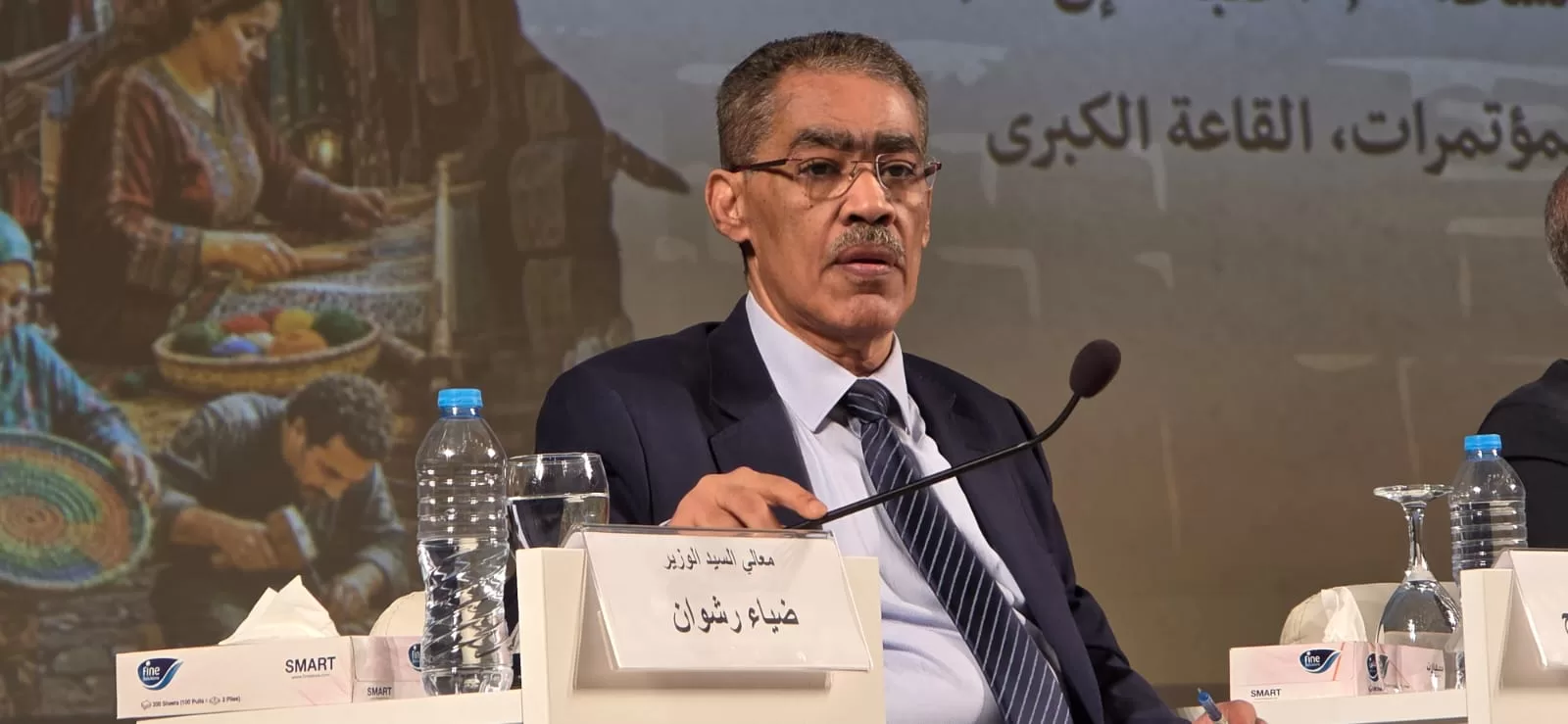
Dr. Diaa Rashwan, Egypt's Minister of State for Information, has warned that the country's national identity is facing significant threats. Speaking at the second day of the "National Identity: Rooted and Renewed" conference, Rashwan emphasized that these threats can manifest in subtle yet impactful ways, such as changes in eating habits, clothing, home decor, and even wedding celebrations. These seemingly minor aspects of daily life, he argued, collectively form the fabric of Egyptian culture.
Rashwan highlighted that Egypt is a prime example of a nation-state that has successfully absorbed diverse groups, cultures, and languages throughout its history. The country's ability to integrate these differences has resulted in a unique Egyptian identity that transcends individual backgrounds. He stressed that understanding national identity requires an interdisciplinary approach, drawing from fields such as sociology, anthropology, philosophy, history, and geography.
The minister explained that culture, in the context of anthropology, refers to the way people live their lives, encompassing their values, customs, and traditions. He noted that each society has its distinct culture, which sets it apart from others. Rashwan also emphasized that national identity is closely tied to a sense of belonging to a particular culture or way of life. This sense of belonging, he argued, is not something that can be manufactured overnight but rather develops over time.
Rashwan acknowledged that societal change is a natural process, and some customs and traditions inevitably evolve over time. He cited the example of changing funeral customs in Egypt over the past few decades, which have adapted to shifting economic and social conditions. However, he emphasized that the core of Egyptian culture remains intact, with fundamental values such as respect for the deceased and community solidarity enduring.
The minister expressed concern about the potential for dominant cultures to influence and potentially erode the traditions of subordinate cultures. He noted that throughout history, there have been instances where a dominant power has sought to impose its cultural practices on a subjugated population. Nevertheless, Rashwan pointed out that Egypt has managed to maintain its cultural identity despite periods of occupation.
Rashwan also addressed the impact of social media on Egyptian youth, acknowledging that it can be a significant influence. However, he cautioned against exaggerating its effects, arguing that young Egyptians continue to live within the context of their broader society, with its customs and daily interactions. While social media may expose them to new ideas and trends, it does not necessarily pose an existential threat to Egyptian culture.
Ultimately, Rashwan emphasized that the most significant threat to national identity lies in the realm of belonging. He warned that if citizens begin to feel disconnected from their country, culture, and community, the very fabric of Egyptian society could be at risk. The minister stressed the importance of nurturing a sense of national pride and ownership among Egyptians, ensuring that they feel invested in their country's heritage and future.
Key points
- Dr. Diaa Rashwan warns that attempts to alter traditional Egyptian ways of life pose a threat to the country's national identity.
- Egypt's Minister of State for Information emphasizes the importance of understanding national identity as a complex, multidisciplinary concept.
- Rashwan cautions that social media, while influential, does not necessarily pose an existential threat to Egyptian culture.