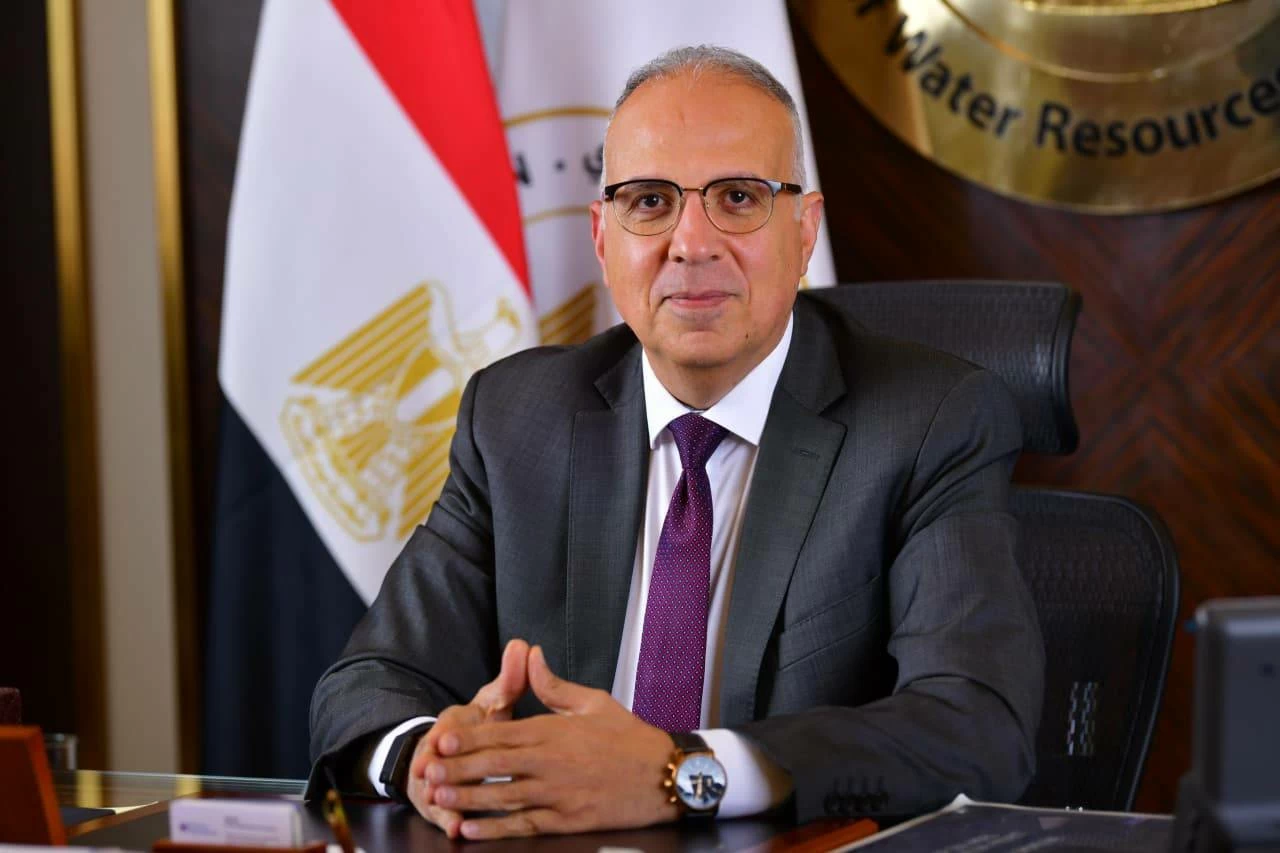
Egyptian Minister of Water Resources and Irrigation, Hani Suwelim, has expressed concerns over the true intentions behind Ethiopia's Grand Renaissance Dam on the Blue Nile. According to Suwelim, the Ethiopian Minister of Water and Energy recently admitted that the primary goal of the dam is to control the flow of water to Sudan and Egypt. This admission marks a significant shift in Ethiopia's rhetoric, which previously claimed the dam was for development purposes.
Suwelim emphasized that this revelation will not be taken lightly, as it has significant implications for Egypt's and Sudan's water security. The Egyptian Ministry is reviewing the statement, considering its potential threats to the region. The minister argued that the dam's massive water storage capacity of 74 billion cubic meters is not necessary for generating electricity, as claimed by Ethiopia.
The issue of electricity generation is particularly pertinent, given that nearly half of Ethiopia's population lacks access to electricity. Suwelim questioned the fate of the electricity promised to the Ethiopian people, suggesting that it may be being diverted for other purposes, such as cryptocurrency mining. He urged the Ethiopian people to ask their government whether the dam's electricity has reached their homes or is being used elsewhere.
The Egyptian minister's comments come amid ongoing concerns about the dam's impact on the region. Egypt and Sudan have previously expressed worries about the dam's effects on their water supplies, while Ethiopia maintains that the dam is essential for its development. Suwelim's statements highlight the need for transparency and cooperation between the countries involved.
Suwelim stressed that Egypt will not allow its citizens to bear the consequences of unilateral decisions made outside the country's borders. He emphasized that the region's water security is a pressing issue, particularly given Egypt's status as a water-scarce country. The minister's remarks reflect Egypt's determination to protect its interests and ensure a stable water supply.
The Grand Renaissance Dam has been a contentious issue since its inception, with concerns about its environmental and social impacts. As the dam nears completion, the need for a comprehensive agreement between Egypt, Sudan, and Ethiopia has become increasingly pressing. Suwelim's comments underscore the importance of addressing these concerns through diplomatic channels.
The situation surrounding the Grand Renaissance Dam remains complex, with multiple stakeholders involved. As the dam's impact on the region becomes clearer, it is essential for the countries involved to engage in open and transparent dialogue. Egypt, Sudan, and Ethiopia must work together to find a solution that balances their respective interests and ensures the long-term sustainability of the region's water resources.
Key points
- Egypt's Water Resources and Irrigation Minister questions the true purpose of Ethiopia's Grand Renaissance Dam.