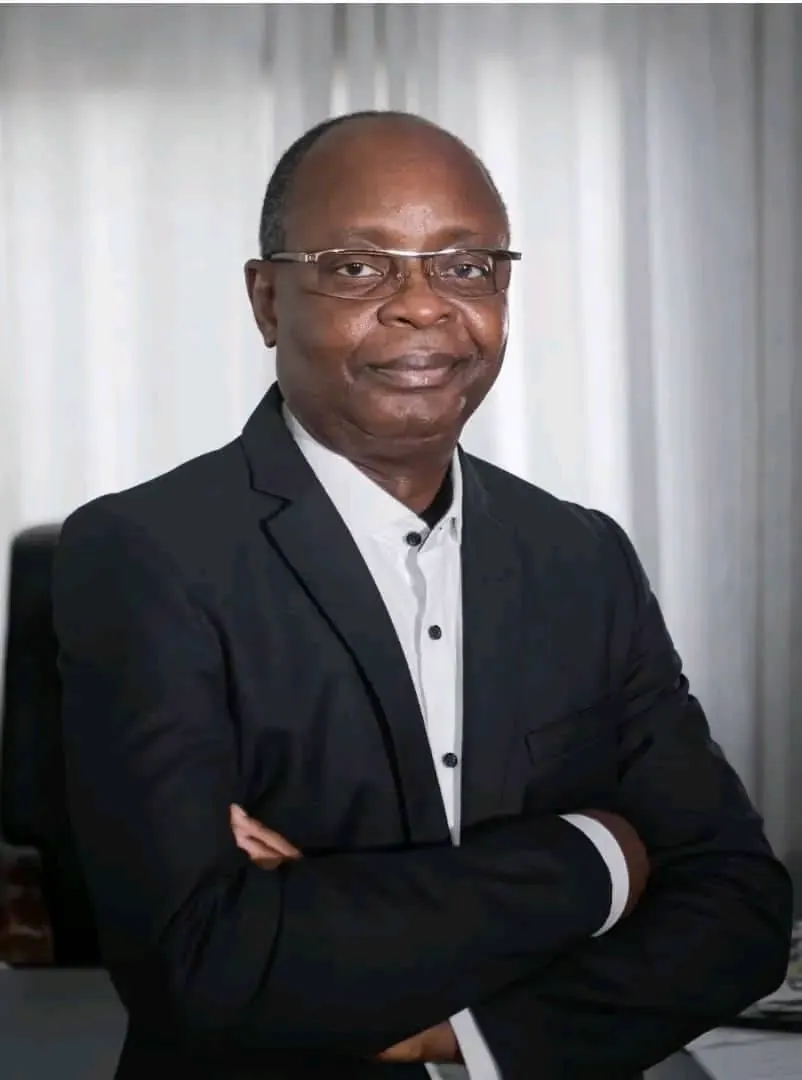
The Minister of Decentralization and Local Governance in Benin, Janvier Yahouédéhou, has expressed concern over the slow implementation of territorial projects in the country. On September 16, 2026, he met with the 12 prefects of Benin to address the issue. According to the minister, despite a high budget commitment of 74.71% and ordering of 73.56% as of August 31, 2026, the physical execution of projects is only at 40%.
This significant gap between financial commitment and physical execution has been deemed unacceptable by the minister. He attributed the slow pace to inefficiencies in the local governance system, citing bureaucracy, lack of anticipation in administrative acts, and passivity in validating project stages. The minister emphasized that these internal blockages hinder the effectiveness of public investments in local communities.
Janvier Yahouédéhou has directly implicated the prefects in the slow implementation of projects, recalling that they are among the primary responsible for the conduct of local affairs. He urged them to take immediate action to accelerate project implementation, including intensifying on-site controls, speeding up payment circuits, and applying penalties or terminating contracts with underperforming contractors.
The minister has set a strict ultimatum for the end of 2026, requiring the prefects to make up for the entire delay by December 31. He emphasized the need for a culture of obligation to achieve results within the Beninese territorial administration. This move aims to address the contradiction between the central government's prompt release of funds and the local authorities' inability to translate this into tangible impacts.
Factors contributing to the slow implementation of projects include technical and conjunctural elements such as delays in market procedures, financial weaknesses of contractor companies, and disruptions related to the rainy season. However, the minister has refused to accept these as mitigating circumstances, instead focusing on internal inefficiencies that hinder project execution.
The current situation reflects a two-speed governance system, where the central government promptly releases funds, but local authorities struggle to implement projects. This has resulted in public funds being immobilized in accounting records without visible translation for citizens, which the minister sees as a failure in the command chain.
By setting this ultimatum and directly addressing the prefects, Janvier Yahouédéhou aims to instill a sense of urgency and accountability within the local administration. The success of this approach will depend on the prefects' ability to accelerate project implementation and bridge the gap between financial commitments and physical execution.
Key points
- The physical execution of territorial projects in Benin is only at 40% despite a high budget commitment.
- The minister has set a strict ultimatum for the end of 2026 to make up for the delay in project implementation.
- The slow implementation of projects is attributed to internal inefficiencies, including bureaucracy and passivity in validating project stages.