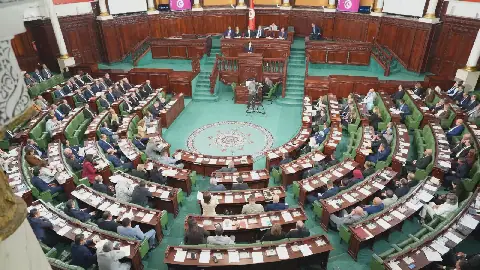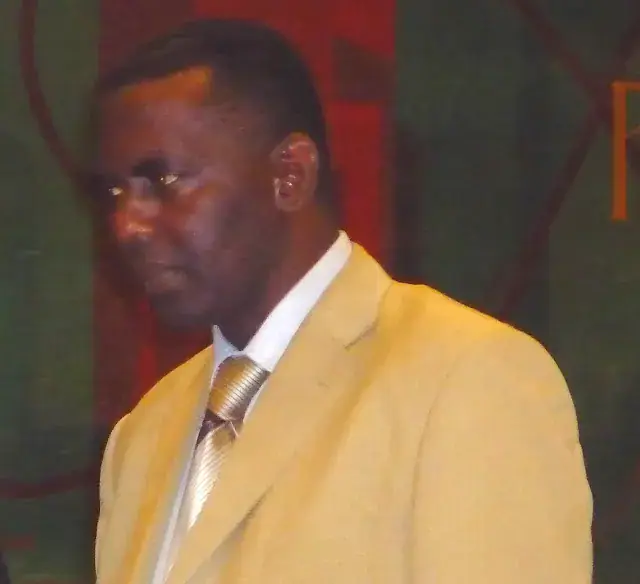
Mauritanian opposition politician and anti-slavery campaigner Biram Dah Abeid announced his resignation from parliament on November 9, during a televised National Assembly debate on the government's general policy statement. Abeid attributed his decision to "pervasive mismanagement and corruption fostered by the current government". He stated that debates within the current parliament have become pointless and vowed to continue opposing the government through legal means and on the ground.
Abeid criticised the administration's performance and questioned its approach to accountability, describing corruption as "widespread yet there is not a single person in prison charged with corruption". Local news organisation Madar reported that Abeid intends to concentrate on political activity outside parliament. His resignation follows two parliamentary election victories, including a seat secured in 2018 while in prison and re-election in May 2023 as part of an opposition alliance.
The Inter-Parliamentary Union has documented both Abeid's election during detention and his subsequent return to the National Assembly. He has also contested the presidency three times, losing twice to the current president, Mohamed Ould Cheikh El Ghazouani. In the 2024 election, Ghazouani received about 56 per cent of the vote against Abeid's 22 per cent.
Alongside his electoral activities, Abeid leads the Initiative for the Resurgence of the Abolitionist Movement, known as IRA. The organisation campaigns against what it describes as the persistence of slavery and associated practices in Mauritania. Abeid descends from enslaved Black Mauritanians, and his parliamentary career developed in a country whose political establishment has long been dominated by people of Arab and Berber descent.
Mauritania formally abolished slavery in 1981 and criminalised the practice in 2007. The authorities have maintained that the country's remaining problems concern slavery's social and economic legacy, while IRA and other campaigners dispute that position and argue that enslavement continues. Prime Minister Mokhtar Ould Djay acknowledged that corruption remained a serious problem within the country and its administration.
In his remarks to the National Assembly, Prime Minister Ould Djay cited legislation, requirements for officials to declare their assets and measures concerning public procurement. He argued that the continued existence of corruption did not erase progress in tackling it. Abeid's announcement has significant implications for the country's opposition movement and anti-slavery campaign.
Abeid's decision to resign from parliament and continue opposing the government outside the legislature reflects his commitment to fighting corruption and promoting accountability. His efforts will likely continue to be closely watched by both supporters and critics, as Mauritania navigates its complex political landscape.
Key points
- Biram Dah Abeid resigned from parliament due to widespread corruption and mismanagement.
- Abeid plans to continue opposing the government through legal means and on the ground.
- The resignation has significant implications for Mauritania's opposition movement and anti-slavery campaign.
Reporting sources
- Mauritanian MP quits over graft claims · Prime 9ja Online