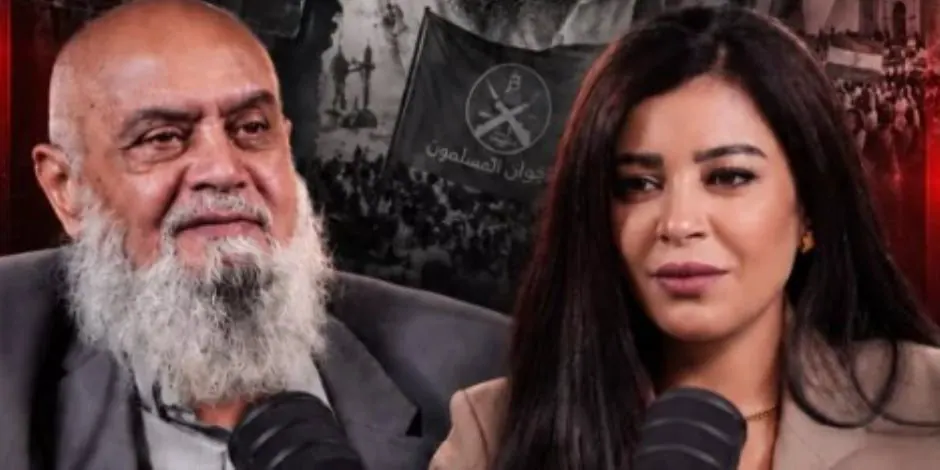
Nabiel Naim, a former leader of the Egyptian militant group Al-Jihad, has publicly apologized for his role in the assassination of President Anwar El-Sadat, which occurred 45 years ago. In a recent episode of the podcast "Hekawati" with journalist Amel El-Hanawi, Naim expressed regret for his involvement in the decision to assassinate Sadat. He stated that he now views the decision differently and acknowledged that he and his fellow militants were wrong to target the former president.
Naim's apology comes as part of a broader reflection on his past involvement with militant groups. He discussed his experiences within Al-Jihad and his relationships with other prominent leaders, including Ayman Al-Zawahiri and Osama bin Laden. Naim also shared his current perspectives on the ideologies and groups he was previously associated with. His comments provide insight into the evolution of his thinking over time.
During the podcast, Naim also criticized the Muslim Brotherhood, expressing his disapproval of the group's actions and ideology. He discussed his views on the group's role in the 1948 Arab-Israeli war and offered a critical assessment of their activities. Additionally, Naim targeted several Egyptian journalists and media personalities living abroad, including Mohamed Nasser, Motaz Matar, and Osama Gawish, labeling them as "mercenaries."
Naim's reflections on his past actions and associations are part of a larger trend of reevaluating extremist ideologies in Egypt. His comments have sparked interest and debate among observers and analysts. The podcast "Hekawati" has provided a platform for Naim to share his story and offer a unique perspective on Egypt's complex history of militancy and extremism.
Ayman Al-Zawahiri, a former leader of Al-Jihad and Al-Qaeda, would have also apologized to Sadat's family and the Egyptian people if he were still alive, according to Naim. This sentiment underscores the complex and often contentious nature of Egypt's militant landscape. Naim's apology and reflections serve as a notable example of the ongoing process of introspection and self-examination among some former militants.
The assassination of President Anwar El-Sadat in 1981 marked a pivotal moment in Egyptian history, with far-reaching consequences for the country's politics and society. Naim's apology and the accompanying podcast episode offer a fresh perspective on this significant event. By sharing his experiences and reflections, Naim provides a unique window into the world of Egyptian militancy and the evolution of extremist ideologies.
Key points from Naim's discussion include his apology for his role in Sadat's assassination, his criticisms of the Muslim Brotherhood, and his reflections on his past associations with prominent militant leaders. These comments have generated significant interest and debate in Egypt and beyond. Naim's story serves as a reminder of the complexities and challenges of addressing extremist ideologies and promoting social and political stability in the region.
Key points
- Naim apologized for his role in the assassination of President Anwar El-Sadat.
- He criticized the Muslim Brotherhood and several Egyptian journalists living abroad.
- Naim's reflections offer a unique perspective on Egypt's complex history of militancy and extremism.