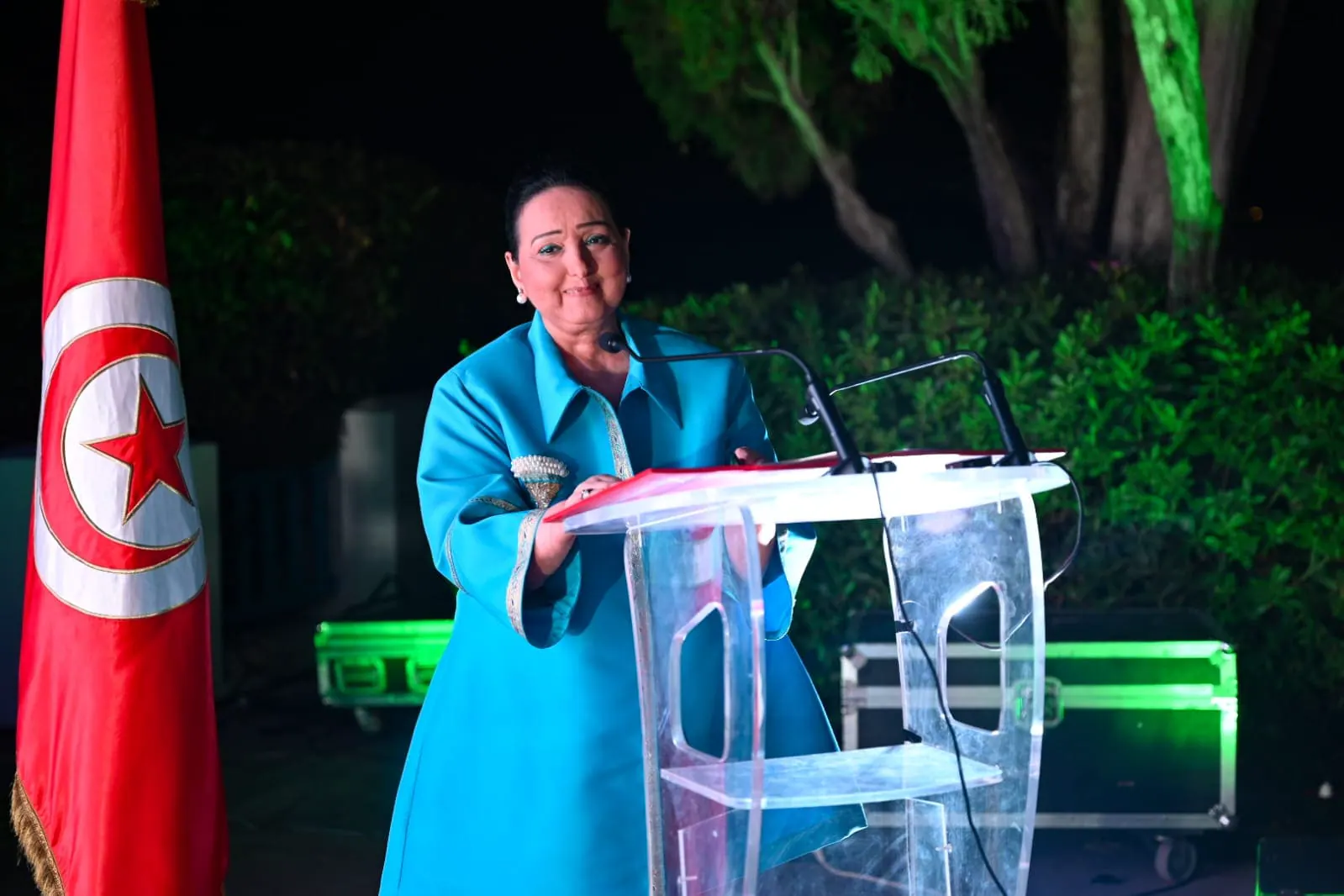
The Tunisian Ministry of Cultural Affairs is celebrating the UNESCO listing of Sidi Bou Saïd, a village renowned for its whitewashed houses and blue shutters. The listing was formalized on September 25, 2026, at a ceremony held at the Centre des musiques arabes et méditerranéennes "Ennejma Ezzahra". Minister of Cultural Affairs, Amina Srarfi, highlighted the significance of this recognition, which rewards years of collaborative work between several ministries and the Institut national du patrimoine.
During the ceremony, Minister Srarfi announced that Tunisia is already preparing several other cultural heritage dossiers for submission to UNESCO. These include the oud, a traditional musical instrument, tressages de palmes and fibres végétales, which will be submitted to the Comité intergouvernemental de sauvegarde du patrimoine culturel immatériel in December 2026. Additionally, dossiers concerning the Roman hydraulic complex of Zaghouan-Carthage, the city of Sfax, the jebba tunisienne, and the traditional wedding attire of the mahdoise region are nearing completion.
The successful listing of Sidi Bou Saïd is attributed to the collaborative efforts of various experts, including architects, historians, researchers, and documentation specialists. Tarek Baccouche, Director General of the Institut national du patrimoine, praised the team's dedication and expertise, which spanned two years. The team received a special tribute during the ceremony, acknowledging their crucial role in achieving this recognition.
Minister Srarfi emphasized that the UNESCO listing is not merely a formal recognition, but a testament to the village's exceptional value on an international scale. This achievement is expected to boost Tunisia's cultural profile and encourage further preservation efforts. The ministry's proactive approach to preparing new dossiers reflects its ambition to promote Tunisia's rich cultural heritage.
The ceremony was attended by various stakeholders, including officials from the Ministry of Cultural Affairs and representatives from the Institut national du patrimoine. The event highlighted the importance of collaboration and expertise in preserving and promoting Tunisia's cultural heritage. By engaging multiple stakeholders, the ministry aims to ensure the long-term conservation of the country's cultural treasures.
Tunisia's successful bid for Sidi Bou Saïd's listing is part of a broader effort to promote the country's cultural diversity. The UNESCO recognition is expected to have a positive impact on tourism and cultural exchange, while also raising awareness about the importance of preserving cultural heritage sites. The ministry's plans to submit additional dossiers demonstrate its commitment to sharing Tunisia's rich cultural heritage with the world.
As Tunisia looks to the future, the ministry is focused on building on this success and promoting the country's cultural achievements. With several new dossiers in preparation, Tunisia is poised to continue showcasing its unique cultural heritage on the international stage. The country's rich cultural diversity and history are set to receive increased recognition, thanks to the ministry's proactive approach and collaborative efforts with various stakeholders.
Key points
- Tunisia plans to submit additional cultural heritage dossiers to UNESCO, including the oud and traditional wedding attire.
- The successful listing of Sidi Bou Saïd is attributed to collaborative efforts between the Ministry of Cultural Affairs and the Institut national du patrimoine.
- The UNESCO recognition is expected to boost Tunisia's cultural profile and encourage further preservation efforts.