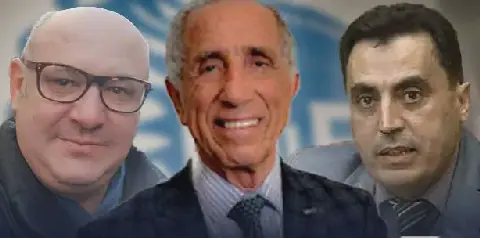
A recent opinion piece by Mustapha Attia has criticized the 'Moviola' segment on the popular Tunisian sports show 'Dimanche sport'. The author describes the segment as a "tragi-comedy" with interchangeable actors lacking talent and ethics. Attia argues that the segment has become a platform for partiality and incompetence, with a lack of neutrality, credibility, and communication skills. This has led to a crisis of confidence in the show and the public broadcaster that airs it.
The 'Moviola' segment has been a part of 'Dimanche sport' for several seasons, but Attia claims that it has devolved into a "caricature" of its former self. He argues that the segment's focus on controversy and criticism has created a toxic environment, with some participants using the platform to settle personal scores. The author also suggests that the show's producers have failed to ensure that participants adhere to basic standards of ethics and professionalism.
Attia's criticism is not just about the 'Moviola' segment itself, but also about the broader implications for the Tunisian media landscape. He argues that the show's failure to uphold standards of impartiality and fairness reflects a wider crisis in the country's media sector. The author suggests that the show's reliance on public funding makes it accountable to the public, and that it is therefore essential that it upholds the highest standards of journalism.
The Tunisian public has become increasingly demanding of its media outlets, with many calling for greater accountability and transparency. Attia argues that the 'Moviola' segment has failed to meet these expectations, and that it has instead become a platform for "fanatics and lobbyists" to promote their own agendas. He suggests that this has created a culture of distrust and skepticism among viewers.
The crisis surrounding the 'Moviola' segment has also raised questions about the role of public broadcasters in Tunisia. Attia argues that public broadcasters have a responsibility to uphold the highest standards of journalism, and that they should not be beholden to special interests or partisan agendas. He suggests that the 'Dimanche sport' show has failed to meet these expectations, and that it is in need of urgent reform.
Attia's criticism has sparked a wider debate about the future of the 'Moviola' segment and the 'Dimanche sport' show. Some have called for the segment to be axed, while others have argued that it needs to be reformed to ensure that it meets the expectations of viewers. The show's producers have yet to respond to the criticism, but it is clear that the controversy has sparked a necessary conversation about the role of media in Tunisian society.
The 'Moviola' segment is not just a domestic issue, but also reflects broader challenges facing the Tunisian media sector. The country's media landscape has undergone significant changes in recent years, with many outlets struggling to maintain their independence and impartiality. The crisis surrounding the 'Moviola' segment highlights the need for greater investment in journalism and media training, as well as the importance of upholding the highest standards of ethics and professionalism.
Key points
- The 'Moviola' segment on 'Dimanche sport' has been criticized for its partiality and incompetence.
- The segment has sparked a wider debate about the role of public broadcasters in Tunisia.
- The crisis surrounding the 'Moviola' segment highlights the need for greater investment in journalism and media training in Tunisia.