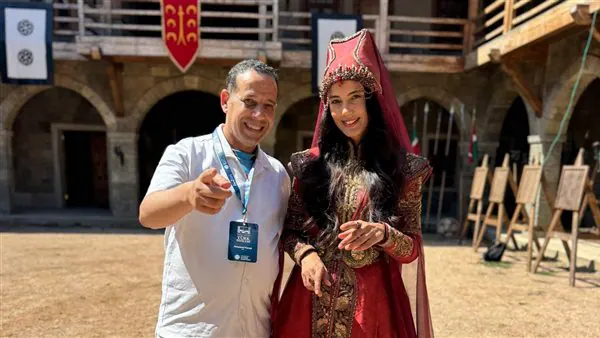
Dr. Mohamed Tharwat, a professor of digital media, recently participated in an international program exploring the Turkish drama industry. The program, organized by the Turkish Presidency's Communications Directorate, brought together a delegation of international journalists and media professionals. They embarked on a journey to discover the inner workings of Turkey's drama production, from Istanbul's studios to global audiences. This initiative aimed to showcase the transformation of Turkish drama into a cultural export.
The program included visits to prominent production sites, such as TRT studios and production facilities like Bözdağ. The journalists also toured historical and tourist areas in Istanbul, gaining a deeper understanding of the city's cultural significance. Through meetings with industry professionals, including producers, directors, and actors, the delegation gained insight into the creative process behind Turkish drama. They examined how the industry has evolved over nearly two decades, becoming a significant contributor to Turkey's cultural and economic landscape.
Turkish drama has become a major export, reaching over 170 countries and attracting more than a billion viewers worldwide. The industry's growth has been remarkable, with its value increasing significantly since the early 2000s. This success can be attributed to the unique blend of entertainment, culture, and diplomacy that Turkish drama offers. By showcasing Turkish culture, language, and traditions, these productions have become an essential tool for promoting Turkey's image globally.
One of the key takeaways from the program was the significant impact of Turkish drama on language learning. A recent study found that 81% of foreigners who learned Turkish cited watching Turkish TV series as their motivation. This highlights the power of drama to bridge cultural divides and foster greater understanding between nations. By sharing Turkish stories, customs, and values, these productions have created a new wave of interest in Turkish culture.
The program also included a visit to the historic Beykoz plateau, a location that has been repurposed for film and television production. This site, once an Ottoman-era shoe factory, now serves as a hub for creative industries. The journalists witnessed firsthand how such locations are transformed into immersive settings for Turkish drama, allowing audiences to experience the country's rich history and cultural heritage.
Industry professionals, such as producer Onur Güvenatam, emphasized the importance of creating relatable stories that transcend cultural boundaries. By focusing on universal human emotions and experiences, Turkish drama has been able to resonate with diverse audiences worldwide. This approach has enabled Turkish productions to build a loyal global following, with fans drawn to the authenticity and depth of the storytelling.
The program concluded with a deeper understanding of the intricate relationships between Turkish drama, culture, and diplomacy. As Turkey continues to expand its cultural exports, its drama industry is poised to play an increasingly significant role in shaping the country's global image. With its unique blend of entertainment, education, and cultural exchange, Turkish drama is set to remain a major player in the global media landscape.
Key points
- Turkish drama has become a significant cultural export, reaching over 170 countries and attracting more than a billion viewers worldwide.
- The industry's growth has been remarkable, with its value increasing significantly since the early 2000s.
- Turkish drama has been instrumental in promoting Turkish culture, language, and traditions globally.