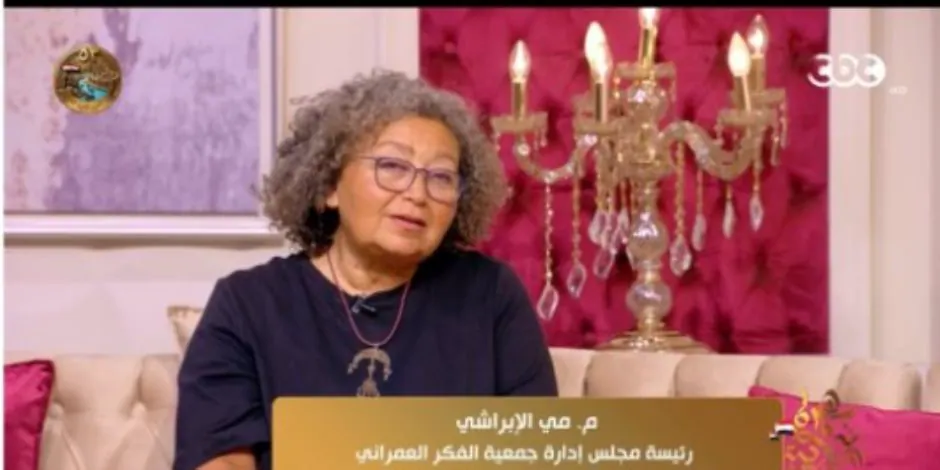
In a recent television appearance, Egyptian engineer and heritage preservation advocate, May El-Ibrashi, emphasized the importance of engaging the public in the preservation of the country's rich cultural heritage. As the head of the Urban Thought Association, a non-profit organization focused on preserving Egypt's heritage, El-Ibrashi highlighted the role of community involvement in protecting the nation's historical sites. By allowing people to feel a sense of ownership and benefit from these sites, they become more invested in their preservation.
El-Ibrashi's initiative, "The Heritage is Ours," aims to foster a sense of responsibility among Egyptians towards their cultural heritage. Through educational programs and public outreach, the initiative seeks to raise awareness about the significance of historical sites and encourage active participation in their preservation. By doing so, El-Ibrashi believes that Egyptians will develop a deeper appreciation for their heritage and become more invested in protecting it for future generations.
A crucial aspect of El-Ibrashi's approach is making historical sites accessible to the public. By restoring and opening these sites to visitors, the government and private organizations can promote a sense of ownership and encourage people to take an active interest in their preservation. El-Ibrashi stressed that the way historical sites are presented to the public is also vital, as it can significantly impact their appreciation and preservation.
Effective storytelling is essential in conveying the cultural significance of historical sites, according to El-Ibrashi. By providing a comprehensive narrative that encompasses not only the architectural aspects of a site but also its associated industries and traditions, visitors can gain a deeper understanding of its cultural value. This approach can help to create a sense of connection between the public and the heritage sites, ultimately contributing to their preservation.
El-Ibrashi's advocacy for community engagement in heritage preservation has garnered significant attention in Egypt. Her initiative has sparked a national conversation about the importance of protecting the country's cultural heritage and the role that citizens can play in this process. As a result, there is growing recognition of the need for collaborative efforts between government agencies, private organizations, and the public to ensure the long-term preservation of Egypt's historical sites.
The Egyptian government has taken steps to increase public access to historical sites, including the restoration of several major archaeological sites. However, more needs to be done to engage the public in heritage preservation efforts. El-Ibrashi's initiative serves as a model for community-driven preservation efforts, highlighting the importance of education, outreach, and collaboration in protecting Egypt's cultural heritage.
As Egypt continues to grapple with the challenges of preserving its rich cultural heritage, El-Ibrashi's message of community engagement and ownership is gaining traction. With the support of organizations like the Urban Thought Association and the "Heritage is Ours" initiative, Egyptians are becoming increasingly invested in protecting their country's historical sites for future generations.
Key points
- Community engagement is crucial for the preservation of Egypt's cultural heritage.
- Effective storytelling can help to create a sense of connection between the public and historical sites.
- Collaborative efforts between government agencies, private organizations, and the public are necessary for the long-term preservation of Egypt's historical sites.