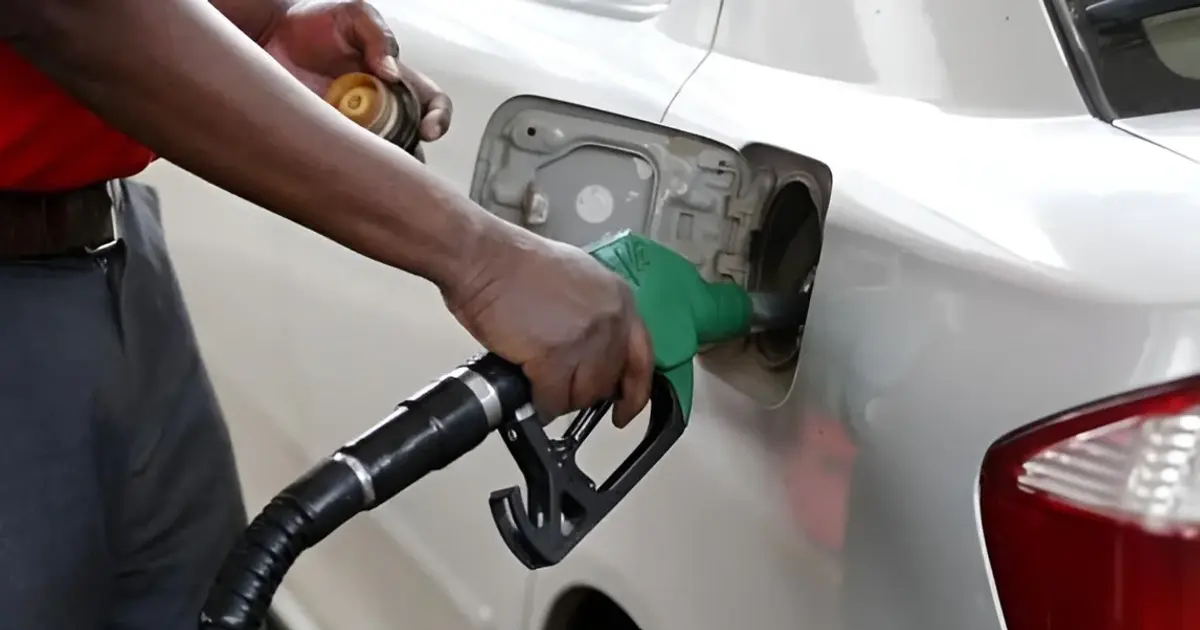
Kenya's fuel prices are under threat of an increase as global oil prices continue to surge. The international benchmark, Brent crude, has traded above $100 a barrel for roughly a month, reaching about $107-108 this week. This development has raised concerns over crude and shipping supplies, putting pressure on Kenya's fuel prices. The country's next fuel-price review is due on October 15.
The Energy and Petroleum Regulatory Authority (EPRA) oversees the technical and economic regulation of Kenya's energy sector. The current price cycle runs from September 15 to October 14, with maximum prices set at Sh214.03 per litre for Super Petrol, Sh217.86 for diesel, and Sh191.38 for kerosene in Nairobi. Despite some underlying import costs moving sharply, prices have remained unchanged.
The increase in global oil prices will eventually feed into the cost of importing petroleum products in Kenya. The country relies heavily on imported fuel, meaning movements in the international market can affect domestic pricing. EPRA's regulated formula for setting pump prices includes the landed cost of imported petroleum, expenses such as jetty handling, storage, transportation, financing, wholesale and retail margins, applicable taxes, and VAT.
The price on a Kenyan forecourt is not simply the world oil price converted into shillings. Exchange rates also play a crucial role because imported petroleum is priced in foreign currency. Shipping costs, product-specific import prices, and other regulated components feed into the final calculation. EPRA sets maximum monthly retail pump prices, licenses oil marketing companies, and monitors fuel quality and upstream/downstream operations.
The current international picture is being formed after the September review, which illustrated how the system works. EPRA said the average landed cost for imported Super Petrol fell 7.87 per cent, from $948.92 to $874.26 per cubic metre between July and August. However, diesel's landed cost rose 11.86 per cent, while kerosene increased 9.71 per cent. Despite this, EPRA kept the maximum retail prices unchanged for the September 15 - October 14 period.
Diesel is vital to Kenya's economy, powering trucks, buses, agricultural machinery, generators, industrial equipment, and much of the country's goods-distribution network. When diesel gets more expensive, the effect can move beyond motorists to freight, food distribution, manufacturing, and public transport. Kenya's September inflation rate rose to 6.8 per cent, from 6.6 per cent in August, while transport inflation reached 15.6 per cent year on year.
EPRA will calculate a new set of maximum pump prices using the data for the relevant pricing period and publish them for the next month. What happens next will depend on the direction of global petroleum prices, the exchange rate, and Kenya's imported-product costs during the pricing window. A prolonged oil shock could add another layer of pressure to households and businesses already facing higher transport-related costs.
Key points
- Brent crude has climbed back above $100 a barrel, putting Kenya's October fuel review under pressure.
- Kenya's fuel prices are regulated by EPRA, which uses a formula to set maximum retail pump prices.
- Diesel is crucial to Kenya's economy, and an increase in its price can have far-reaching effects on various sectors.