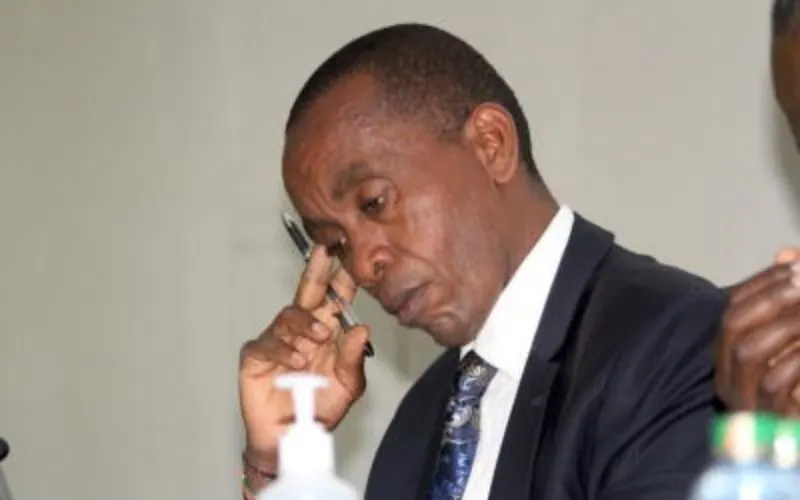
The High Court in Milimani has dismissed five separate applications filed by Wamatangi and other defendants, including Charles Kiarie Kimani, Faith Wambui Njeri, Joseph Mwaura Kimani, Annie Murugi Njoroge, Mary Esther Njeri, and Nicholas Kimani Njoroge. The applications sought to have them removed from the suit. Justice Rose Ougo of the Anti-Corruption High Court ruled that the case was not so hopeless as to warrant striking it out at the preliminary stage.
The EACC had filed a case against Wamatangi and others, alleging that they were involved in irregular road tenders awarded to companies associated with the county and his alleged associates. The commission claimed that its investigations established that Wamatangi, during his tenure as a senator, influenced the tender processes and awards, engaged in breach of trust, abuse of office, and conflict of interest. This resulted in the award of contracts and receipt of a benefit amounting to Sh813,145,532.40.
Wamatangi had argued that he was not a director of the companies that received contracts from the Kenya Urban Roads Authority, Kenya Rural Roads Authority, and Kenya National Highways Authority. He also denied influencing the tenders and claimed that the suit was politically motivated. However, Justice Ougo held that the allegations of fraud, misrepresentation, and falsification of documents pleaded by EACC required evidence to be tested at a full hearing.
The court also rejected Wamatangi's argument that parliamentary privileges protected him from the proceedings. Justice Ougo held that the Parliamentary Powers and Privileges Act did not shield members of Parliament from allegations of unlawful conduct. The judge further dismissed Wamatangi's argument that the EACC case was sub judice because of another constitutional petition.
The ruling is a win for the EACC, which the court directed to proceed with its recovery case. The judge directed EACC to prosecute its case and provide sufficient evidence to support its allegations, leaving the question of personal liability to be determined after the evidence is tested at trial. Wamatangi and others had relied on the separate legal personality of companies, arguing that they could not be held personally liable merely because they were directors.
The EACC alleged that investigations established that Wamatangi had registered the companies, held majority shareholding, and was a signatory to their bank accounts. The commission also claimed that he received funds directly into his Parliamentary Sacco account from the companies' bank accounts. The court will now require the EACC to provide evidence to support these allegations.
The case will continue with the EACC required to provide evidence to support its allegations. The commission will need to prove that Wamatangi and others were involved in the alleged irregularities. The outcome of the case will have significant implications for Wamatangi and others involved.
Key points
- The High Court has dismissed a bid by Kiambu Governor Paul Kimani Wamatangi and six others to strike out an EACC case seeking recovery of Sh813.1 million.
- The EACC had alleged that Wamatangi influenced tender processes and awards, resulting in a benefit of Sh813,145,532.40.
- The court has directed the EACC to proceed with its recovery case and provide sufficient evidence to support its allegations.