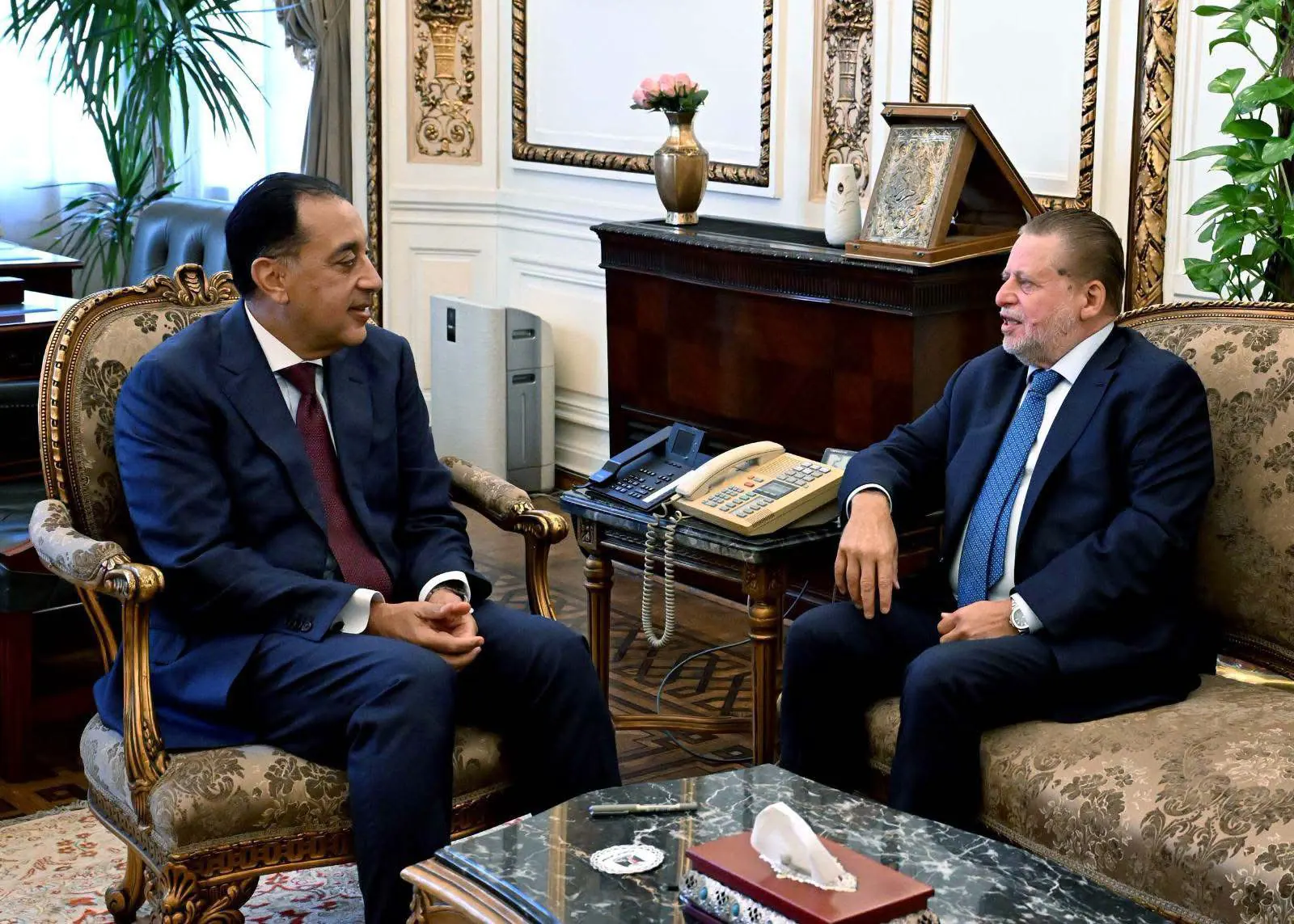
Egyptian Prime Minister Mostafa Madbouly and Central Bank Governor Hassan Abdalla recently met to discuss the country's economic reforms and ongoing efforts to reduce inflation and increase dollar inflows. The meeting focused on priority economic files and mechanisms to enhance financial and monetary stability. The officials reviewed several key areas of work related to Egypt's upcoming economic reforms. They emphasized the importance of continuous coordination to maintain safe levels of foreign exchange reserves.
During the meeting, Governor Abdalla briefed Prime Minister Madbouly on his recent visit to Nairobi, Kenya, where he led Egypt's delegation at the 48th Annual Meetings of the Association of African Central Banks. The event, which took place from September 13 to 18, was attended by 34 central bank governors from the association's 41 member banks, representing 53 African nations. Abdalla's participation in the event highlights Egypt's commitment to strengthening banking relations and economic cooperation with African countries.
Governor Abdalla also participated in the 14th meeting of the Pan-African Payment and Settlement System (PAPSS) Governing Council on the sidelines of the annual meetings. He emphasized that these participations aim to support banking relations at the regional level and enhance economic and trade cooperation with various African countries. This engagement demonstrates Egypt's efforts to foster regional economic integration and cooperation.
In addition to the annual meetings, Abdalla attended a high-level conference on the uses of artificial intelligence in central banking practices, organized by the Central Bank of Kenya to mark its 60th anniversary. The conference focused on three main areas: AI applications in monetary policy and financial stability, the development of banking supervision and financial integrity, and AI governance and associated risk management. The conference explored the potential of AI in analyzing large datasets to support economic forecasting.
The National Economic Transformation Programme aims to address Egypt's economic challenges and promote sustainable growth. The programme's development is a key priority for the government, and the meeting between Madbouly and Abdalla underscores the importance of coordination between the government and the Central Bank in implementing economic reforms. The programme is expected to outline strategies for reducing inflation, increasing dollar inflows, and promoting economic stability.
Egypt's economic reforms are crucial for maintaining financial stability and securing foreign exchange reserves. The country's foreign exchange reserves have been under pressure in recent times, and the government has been working to secure sufficient reserves to meet its strategic requirements. The National Economic Transformation Programme is expected to provide a framework for addressing these challenges and promoting economic growth.
The meeting between Madbouly and Abdalla reflects the government's commitment to addressing Egypt's economic challenges and promoting sustainable growth. The National Economic Transformation Programme is a key initiative in this regard, and its development is being closely coordinated between the government and the Central Bank. The programme's success will depend on effective implementation and coordination between various stakeholders.
Key points
- The Egyptian government and Central Bank are drafting a National Economic Transformation Programme to address economic challenges and promote sustainable growth.
- Governor Abdalla participated in the 48th Annual Meetings of the Association of African Central Banks and the 14th meeting of the Pan-African Payment and Settlement System (PAPSS) Governing Council.
- The programme aims to reduce inflation, increase dollar inflows, and promote economic stability.