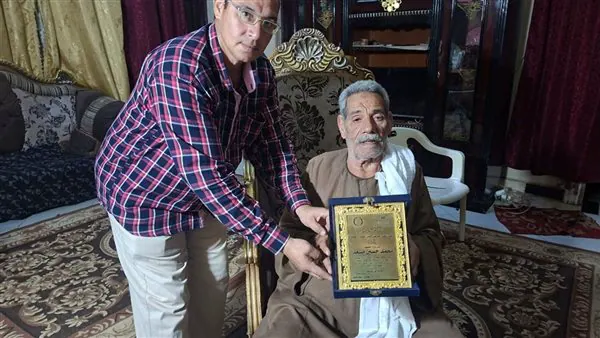
The family of Egyptian soldier Mohamed Hussein Masoud, who was martyred in the 1973 October War, has shared a remarkable story about the preservation of his body. Masoud, a sergeant in the Egyptian army, died on October 6, 1973, during the war. His family from the village of Sindyun in Qalyubia governorate recounted that his body was returned to them a year after his death, and it was found to be remarkably well-preserved.
Masoud, who was an agricultural engineer before joining the army, had participated in the 1967 war and the war of attrition. He was part of the army's reconnaissance unit and had served in Sinai for several years. His family shared that he was married just 20 days before the war broke out, and his last visit home was on October 1, 1973, before he returned to his unit and was martyred.
The soldier's body was returned to his family a year after his death, as his mother had seen him in a dream and believed it was his wish to be buried in his hometown. When his body arrived, the family was amazed to find it in a state of preservation, as if he had just passed away. This phenomenon has been a topic of discussion for the family and the community.
Masoud's family and friends have described him as a brave and skilled soldier who was fluent in Hebrew. His friend, Salah Hasb Allah, shared that Masoud had a remarkable record of bravery during his service in the army. A school in Sindyun was named after him, and it stands next to his family's home as a testament to his legacy.
The story of Masoud's preserved body has become an integral part of the family's history and a reminder of his sacrifice. His family has expressed their pride in his bravery and his role in the war. The incident has also sparked interest in the community, with many people visiting the family to hear their story.
The village of Sindyun, where Masoud lived and was buried, has a strong connection to his memory. The family's home, where he grew up, and the school that bears his name, serve as a reminder of his life and sacrifice. The community continues to honor his memory and share his story with future generations.
The story of Mohamed Hussein Masoud serves as a testament to the bravery and sacrifice of Egyptian soldiers during the 1973 war. His family's account of his preserved body has become a remarkable part of Egypt's history, and his legacy continues to inspire and influence the community.
Key points
- The body of Egyptian soldier Mohamed Hussein Masoud was found remarkably well-preserved a year after his death in the 1973 October War.
- Masoud was a sergeant in the Egyptian army and had participated in the 1967 war and the war of attrition.
- A school in Sindyun was named after Masoud, and it stands next to his family's home as a testament to his legacy.