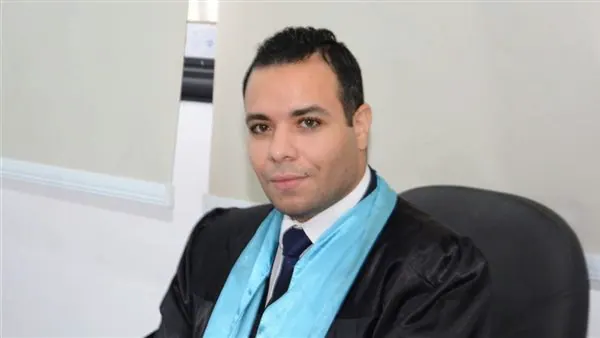
Dr. Mohamed El-Arabi El-Saman, an Egyptian expert in international relations, has weighed in on Iranian President Masoud Pezeshkian's visit to New York to participate in the 81st session of the United Nations General Assembly. According to El-Saman, the visit comes at a highly sensitive time, with complex military, political, and economic calculations at play. The relationship between Tehran and Washington remains tense, with issues such as Iran's nuclear program, sanctions, and maritime security continuing to be major points of contention.
El-Saman noted that the visit is an important test of diplomacy's ability to reopen a negotiating path between Iran and the US. However, he emphasized that the available data does not necessarily indicate that Tehran is prepared to make significant concessions. Instead, El-Saman suggested that Iran may be seeking temporary understandings that would allow for a reduction in tensions and the reopening of communication channels. He drew a distinction between making concessions and showing flexibility in negotiations.
The expert highlighted that Iran's most realistic scenario appears to be finding a formula that achieves some easing of pressure in exchange for steps it could take on specific issues. These might include maritime security, de-escalation, monitoring procedures, and creating conditions for a return to the negotiating table. El-Saman stressed that any potential Iranian flexibility should be seen as part of a political bargaining process, rather than a free withdrawal in the face of pressure.
The Strait of Hormuz is a key element in this equation, according to El-Saman. An Iranian official was reported as saying that Tehran is willing to reopen the strait within a short period if the US eases military pressure and lifts sanctions on Iranian ports. If this signal translates into practical arrangements, it could become a starting point for broader understanding, particularly since the security of the strait affects not only Iran and the US but also global energy security, trade, and international market stability.
El-Saman emphasized the importance of using strength in the service of negotiation rather than just escalating tensions. He noted that navigation, energy, sanctions, and military capability are all cards that can be used for pressure but can also be turned into elements of a political deal if the will to negotiate exists. The expert concluded that the US position will be one of the most important determinants of the direction of the next phase.
Washington faces a complex equation that involves maintaining its ability to deter and pressure Iran while not closing the door to diplomatic channels. El-Saman's comments highlight the delicate balance at play as Iran's president visits New York. The international community is watching closely to see if any progress can be made in easing tensions between Tehran and Washington.
The Egyptian expert's analysis underscores the significance of the Iranian president's visit to New York, given the current state of relations between Iran and the US. As the situation stands, it remains to be seen whether any concrete outcomes will emerge from the visit. Key issues such as the nuclear program, sanctions, and maritime security continue to pose significant challenges to improved relations between the two nations.
Key points
- The visit is an important test of diplomacy's ability to reopen a negotiating path between Iran and the US.
- Iran may be seeking temporary understandings that would allow for a reduction in tensions and the reopening of communication channels.
- The US position will be one of the most important determinants of the direction of the next phase in Tehran-Washington relations.