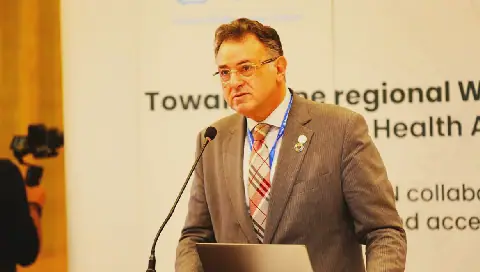
Egyptian political analyst Dr. Ahmed Mustafa Al-Gazaoui has expressed concerns over the impact of social media on national stability. In a recent television program, Al-Gazaoui stated that social media platforms, with their algorithms, can fuel misconceptions, distort facts, and spread rumors. He emphasized that these platforms pose a significant threat to societal awareness and national security. Al-Gazaoui's comments come amid growing concerns about the role of social media in shaping public opinion and influencing political discourse in Egypt.
Al-Gazaoui highlighted the importance of addressing these challenges through a multi-faceted approach. He suggested that the state, educational institutions, religious authorities, and transparent media must work together to promote critical thinking and media literacy among young people. By doing so, Egypt can build a more informed and resilient society capable of resisting the spread of misinformation. The expert's remarks underscore the need for a comprehensive strategy to mitigate the risks associated with social media and promote a culture of critical thinking.
The Egyptian government has taken steps to address these concerns. President Abdel Fattah El-Sisi has emphasized the importance of protecting the state and its institutions from internal and external threats. In a recent speech, the President stressed that preserving the state is a collective responsibility and that reforming institutions requires time and effort. He also highlighted the role of the military academy in promoting objectivity, neutrality, and youth empowerment.
Al-Gazaoui's warnings about social media threats echo those of other experts and officials. The Egyptian government has launched initiatives to promote digital literacy and combat online misinformation. These efforts aim to empower citizens with the skills needed to critically evaluate online information and resist the spread of rumors and false news. By promoting a culture of critical thinking, Egypt can reduce the risks associated with social media and foster a more informed and engaged citizenry.
The issue of social media and national stability is a pressing concern in Egypt. The country has experienced significant social and political upheaval in recent years, with social media playing a significant role in shaping public opinion and mobilizing protests. As the government continues to navigate these challenges, experts like Al-Gazaoui are providing valuable insights into the complex relationships between social media, national security, and societal awareness.
In addition to addressing social media threats, the Egyptian government is working to promote national development and stability. Recent initiatives have focused on improving education, healthcare, and economic opportunities. These efforts aim to address the underlying social and economic issues that can contribute to instability and extremism. By promoting national development and addressing the root causes of instability, Egypt can build a more stable and prosperous future.
The conversation around social media and national stability is ongoing in Egypt. As the country continues to navigate the challenges of the digital age, experts, officials, and citizens are working together to promote a culture of critical thinking and media literacy. By doing so, Egypt can reduce the risks associated with social media and foster a more informed, engaged, and resilient society.
Key points
- Dr. Ahmed Mustafa Al-Gazaoui warns of social media threats to Egypt's stability
- The Egyptian government has launched initiatives to promote digital literacy and combat online misinformation
- Experts emphasize the need for a comprehensive strategy to mitigate the risks associated with social media and promote a culture of critical thinking