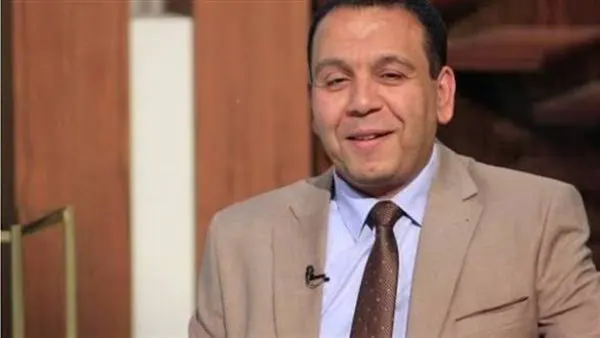
As the new academic year 2026-2027 commences, Dr. Tamer Shouki, an educational expert, has identified several mistakes students make during study sessions that reduce their effectiveness. These include studying at times when they feel tired or need sleep, which diminishes their ability to focus. Additionally, relying solely on silent reading of lessons without engaging multiple senses limits the benefits of studying.
Dr. Shouki further emphasized that students often make the mistake of studying solely through online resources and screens without utilizing paper and pen. This approach can hinder effective learning and retention. Moreover, not solving questions after completing a lesson can prevent students from accurately assessing their understanding of the material. He also stressed the importance of seeking clarification from teachers on any confusing points.
The educational expert highlighted another common mistake: relying on artificial intelligence tools like ChatGPT to solve assignments or questions without exerting effort. This can lead to a decline in critical thinking, research, analysis, and problem-solving skills. Furthermore, simply focusing on solving questions correctly without understanding the underlying concepts can be counterproductive.
As students and parents seek information on the upcoming academic calendar, the Ministry of Education has announced that the first-term exams for the 2026-2027 academic year are scheduled to take place from January 9 to 14, 2027, for middle school students, and from January 16 to 21, 2027, for high school students.
In preparation for the new academic year, the Ministry of Education has emphasized the importance of activating electronic attendance in schools to maintain discipline. The ministry has also confirmed that all schools have completed their preparations and are ready to welcome students on the designated dates.
The academic year 2026-2027 will have 183 days of actual study, with 93 days in the first semester and 90 days in the second semester. The winter break is set to begin on January 23, 2027, and will last for two weeks. These dates apply to all public, private, and international schools.
The Minister of Education, Mohamed Abdellatif, has been overseeing the implementation of educational development plans and reviewing policies to enhance the learning process. He noted that the previous academic year had only 116 days of actual study, which negatively impacted educational outcomes. To address this, the ministry has introduced reforms, including restructuring curricula and increasing instructional time.
Key points
- Students often make critical mistakes during study sessions, including studying when tired and relying solely on screens.
- The new academic year 2026-2027 will have 183 days of actual study.
- Electronic attendance will be implemented in schools to maintain discipline.