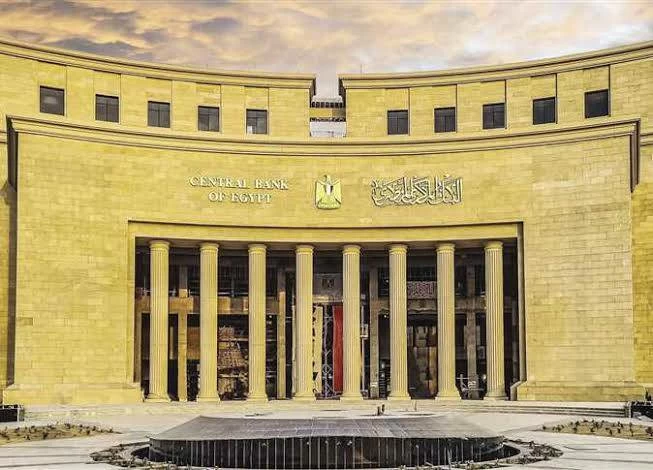
Egypt's Central Bank has decided to keep interest rates unchanged for the fifth consecutive time, with rates remaining at 19% for deposits and 20% for loans. This decision was made with careful consideration of the country's economic and political reality, according to Ehab Mahmoud, an economic expert. The move reflects the government's and Central Bank's adoption of a long-term strategy to ensure stable interest rates.
The decision aims to continue attracting foreign direct investment and hot money flows, while maintaining stock market stability and protecting production sectors in the public and private sectors from potential disruptions caused by sudden interest rate changes. Egypt's economy is currently facing significant challenges, including the need for high flexibility and balance to address rapid geopolitical changes, such as disturbances affecting navigation at the Strait of Hormuz and Bab-el-Mandeb.
According to Mahmoud, the positive impact of the decision is split 50/50. On one hand, maintaining high interest rates has helped control inflation and curb excessive consumer spending on non-essential goods and products. On the other hand, the next phase requires preparing for greater flexibility towards gradually reducing interest rates as inflationary pressures continue to recede.
The economic expert emphasized that the expected direction of interest rate cuts will allow for the withdrawal of capital from savings and investment in direct economic activities, particularly in small and medium-sized enterprises. This is expected to inject significant liquidity into the local market and stimulate rapid economic recovery.
Mahmoud explained that economic flexibility means protecting the market from sudden changes that could disrupt pricing levels, production plans, or capital flows. He stressed that export companies are the primary drivers of this flexibility and must be supported to adapt to interest rate fluctuations, ensuring their continued competitiveness and product strength in external markets.
The decision to maintain interest rates was made in consideration of the current economic conditions and the need to balance growth and stability. The Central Bank's move is expected to have a positive impact on the economy, particularly in terms of controlling inflation and promoting investment.
The Egyptian government and Central Bank are taking steps to ensure economic stability and attract investment. The decision to keep interest rates unchanged is part of a broader strategy to promote economic growth and stability, and to address the challenges facing the country's economy.
Key points
- The Egyptian Central Bank has kept interest rates steady at 19% for deposits and 20% for loans.
- The decision aims to control inflation and promote investment.
- The next phase may see a gradual reduction in interest rates as inflationary pressures recede.