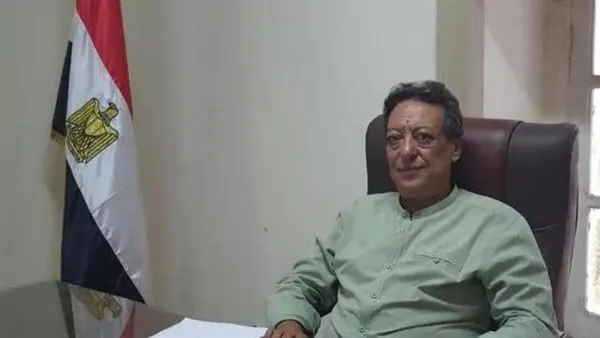
The state of Egypt's agricultural sector has been described as "extremely dangerous and complex" by Engineer Mahmoud Atta, former head of the Ministry of Agriculture's Central Administration for Orchards and Crops. He noted that despite its importance, the Ministry no longer has a significant impact on the agricultural reality on the ground. Atta pointed out that in the past, the Ministry had strong tools to manage the sector, monitor farmers, and address their problems directly, but these tools have gradually declined.
In the 1990s, the Ministry of Agriculture established around 300 agricultural guidance centers, each serving at least seven villages and employing specialists in various fields such as field crops, orchards, animal production, and rural development. These centers had meeting rooms, lecture halls, and demonstration fields to train farmers on the latest agricultural recommendations and techniques. They played a vital role in providing advice and guidance to farmers and monitoring cultivated areas, crop types, and problems faced by farmers.
The guidance centers were a crucial link between scientific research and farmers, transferring technical recommendations and modern research to the fields and working to increase productivity and improve agricultural practices in rural areas. They enabled the Ministry to have a better understanding of what was happening on agricultural land, monitoring problems before they escalated, and intervening through specialized agencies. This helped build agricultural policies on accurate information from the ground.
However, over the past nine years, the situation has changed significantly, with many agricultural guidance centers losing much of their role. Atta described some of these centers as "inhabited by owls," indicating that they had stopped performing their advisory role. Many centers no longer have a functional workforce, lack internet and phone services, and have outdated audio-visual equipment, rendering them ineffective in the agricultural sector.
The decline of these centers has had a significant impact on the agricultural sector, with many problems faced by farmers going unaddressed. The centers' inability to provide guidance and support has hindered the development of the sector, leading to a decline in productivity and efficiency. This has far-reaching consequences for the country's food security and economy.
Atta's comments highlight the need for urgent action to restore the agricultural guidance centers to their former glory. This would involve allocating necessary resources to revive the centers, train new staff, and provide them with modern equipment and technology. By doing so, the Ministry of Agriculture can regain its influence on the agricultural sector and improve the lives of farmers and rural communities.
The Egyptian government must take concrete steps to address the problems faced by the agricultural sector, including the revival of the guidance centers. This will require a comprehensive strategy to develop the sector, including investing in infrastructure, technology, and human resources. By prioritizing agriculture, the government can ensure food security, promote sustainable development, and improve the livelihoods of millions of Egyptians.
Key points
- Many agricultural guidance centers in Egypt have fallen into disrepair and are no longer functional.
- The centers were once crucial for providing guidance and support to farmers, but now lie unused and neglected.
- Reviving the centers is essential to improve the agricultural sector and address the problems faced by farmers.