A group of 21 local economists in Malawi has petitioned President Peter Mutharika to reconsider the Economics Society of Malawi (Esoma) Act 2026. The petition, coordinated by economist Charles Chanthunya, argues that the proposed legislation could restrict professional independence and create unnecessary barriers for economists to practice their profession. The economists support the establishment of professional standards and accountability but believe that the Act was passed without adequate consultation and sufficient evidence of public harm.
The Esoma Act, enacted in Parliament on August 6, aims to strengthen oversight of the economics profession in Malawi. The Act notes that the Economics Association of Malawi (Ecama) lacks the legal mandate to register and discipline economists, leading to a largely unregulated profession. The Act proposes to establish Esoma as the sole authority for registering, regulating, and disciplining economists in Malawi. Ecama had welcomed Parliament's passage of the Bill, describing the statutory mandate to regulate the profession as a long-awaited development.
However, the petitioning economists argue that the regulation of economists is not necessary, especially given the discipline's nature, which is characterized by competing theories and legitimate differences in professional judgment. They believe that the Act's provisions could stifle the freedom of economists to express their opinions and engage in debates. The economists also point out that they were not adequately consulted during the drafting of the Act, with some only becoming aware of the proposed law when it had already passed in Parliament.
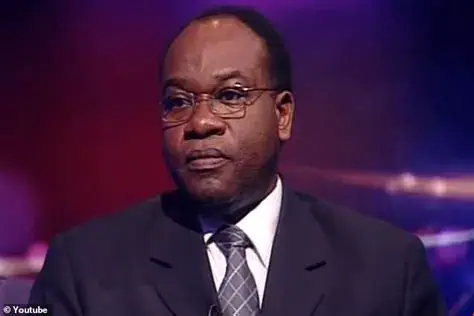
One of the concerned economists, Murray Siyasiya, an economics lecturer at the Malawi Institute of Journalism, expressed concerns about the lack of consultation and the potential impact of the Act on the profession. He noted that some practitioners only became aware of the proposed law when it was already at a stage where the President was supposed to assent to it. Siyasiya emphasized the need for a more inclusive and consultative approach to regulating the economics profession.
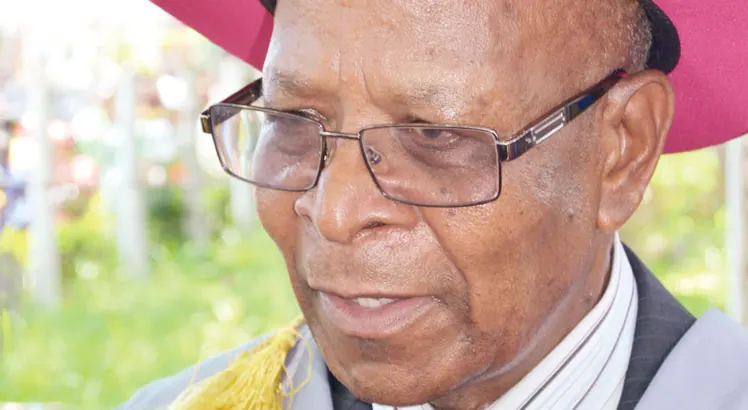
Former Ecama president Chinyamata Chipeta also faulted the Esoma Bill, stressing that the bulk of the functions of Esoma are academic in nature. Chipeta argued that economists do not need regulation and discipline because they flourish in an environment of freedom of conscience, opinions, ideas, thought, dissemination of ideas, inquiry, and debates. He also pointed out that the Act's provision to safeguard the public interest is not clearly defined and could be misinterpreted.
Under the enacted legislation, Esoma will have several statutory functions, including encouraging open debate and policy dialogue on economic issues. The legislation defines an economist as someone with at least a bachelor's degree in economics or applied economics from an institution recognized or accredited under the National Council for Higher Education Act. The President's decision on whether to assent to the Act will have significant implications for the economics profession in Malawi.
The petitioning economists are urging President Mutharika to carefully consider their concerns and withhold assent to the Esoma Act. They believe that the Act's provisions could have far-reaching consequences for the economics profession and the country's economic development. The President's response to the petition is awaited, and it remains to be seen how the Esoma Act will be implemented if it comes into effect.
Key points
- The Esoma Act aims to establish a regulatory framework for the economics profession in Malawi.
- The petitioning economists argue that the Act was passed without adequate consultation and could restrict professional independence.
- The President's decision on whether to assent to the Act will have significant implications for the economics profession in Malawi.