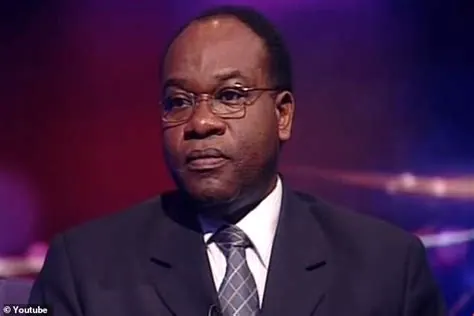
The British judicial system began the trial of Dr Vincent Bajinya, a 65-year-old Rwandan accused of genocide and crimes against humanity, on September 22, 2026. Bajinya, who has changed his name to Dr Vincent Brown, faces charges of genocide and six counts of murder during the 1994 Rwandan genocide. The UK's Crown Prosecution Service (CPS) alleges that Bajinya played a role in the genocide, which resulted in the deaths of hundreds of thousands of people, primarily from the Tutsi ethnic group.
According to the CPS, Bajinya's alleged crimes are punishable under UK law, marking the first time a genocide case from the 1994 Rwandan genocide has been prosecuted in the UK. Frank Ferguson, Director of the CPS's Specialist, Organised & Economic Crime Division, stated that an investigation found evidence that Bajinya was involved in the genocide, allegedly giving instructions and encouragement to others to commit atrocities. The CPS decided to pursue charges against Bajinya after reviewing the case and examining evidence provided by a team of war crimes investigators from the Metropolitan Police.
Ferguson emphasized that the CPS made an independent decision to prosecute Bajinya, without influence from the police or government, based on factual and legal considerations. He also stressed that Bajinya has the right to a fair trial and that it is essential to protect his interests and prevent any potential miscarriage of justice. Bajinya's first hearing took place at Westminster Magistrates' Court on September 22, 2026.
Bajinya is one of five Rwandan nationals living in the UK who were subject to investigation in 2019. The others are Celestin Mutabaruka, Celestin Ugirashebuja, Charles Munyaneza, and Emmanuel Nteziryayo, who are also facing charges related to the genocide. The UK authorities have been working to bring these individuals to justice for their alleged roles in the atrocities committed during the 1994 genocide.
The 1994 Rwandan genocide resulted in the deaths of approximately 800,000 people, mainly from the Tutsi ethnic group, at the hands of extremists from the Hutu majority. The international community has long sought to hold those responsible for the atrocities accountable, and the UK's prosecution of Bajinya marks a significant step in this effort.
Bajinya's trial is expected to be a complex and sensitive case, given the nature of the allegations and the passage of time since the genocide. The UK authorities have assured that they will ensure a fair trial, and the case will be closely watched by human rights organizations and the Rwandan community.
The outcome of Bajinya's trial will have implications for the pursuit of justice for victims of the Rwandan genocide and their families. If convicted, Bajinya could face significant penalties for his alleged crimes, sending a strong message that the UK will not tolerate impunity for those responsible for such atrocities.
Key points
- Dr Vincent Bajinya, 65, faces charges of genocide and crimes against humanity during the 1994 Rwandan genocide.
- The UK's Crown Prosecution Service alleges that Bajinya played a role in the genocide, which resulted in hundreds of thousands of deaths.
- The trial marks the first time a genocide case from the 1994 Rwandan genocide has been prosecuted in the UK.