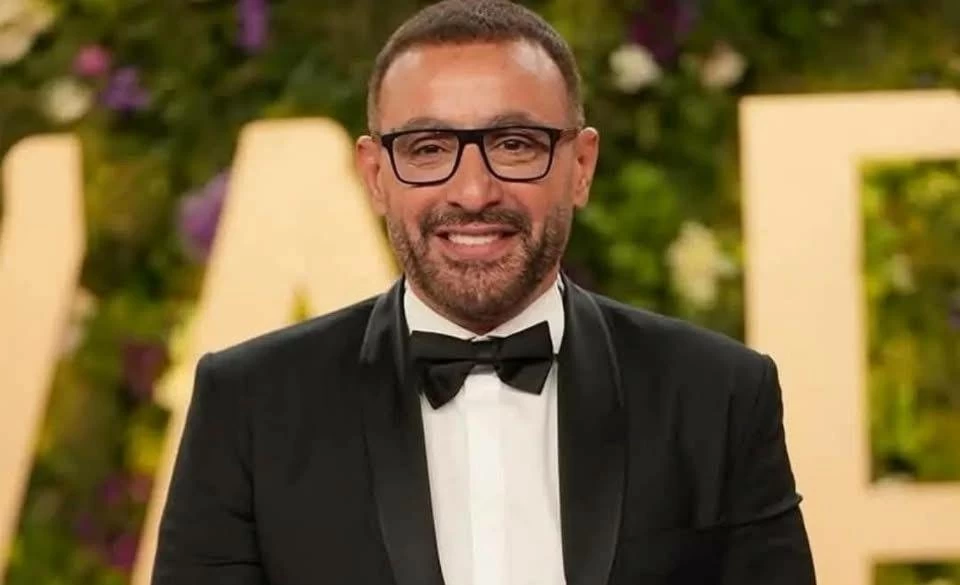
Egyptian actor Ahmed El-Saqa recently shared his views on traditional notions of masculinity in Arab societies during an interview on the ABtalks program in 2021. El-Saqa discussed how men in Arab cultures are often socialized to suppress their emotions and not show weakness. This traditional notion of masculinity can be damaging, as it denies men the opportunity to express their feelings and be vulnerable. El-Saqa's comments have sparked a conversation about the need to redefine masculinity in Arab societies.
El-Saqa stated that in Arab societies, men are often taught to be stoic and not show emotions, saying "we were taught that a man shouldn't say no, shouldn't cry, shouldn't be weak, shouldn't complain, shouldn't be sad, and shouldn't need a hug or someone to comfort him." This traditional notion of masculinity can be limiting and denies men the opportunity to express themselves authentically. El-Saqa's comments highlight the need for a more nuanced understanding of masculinity in Arab cultures.
The actor's comments have resonated with many, particularly in light of his recent tribute to his late father, Salah El-Saqa. In a heartfelt post on Facebook, El-Saqa expressed his ongoing grief and sense of loss following his father's passing. He shared fond memories of his father and acknowledged the significant impact he had on his life. El-Saqa's willingness to express his emotions publicly is a testament to the changing attitudes towards masculinity in Arab societies.
El-Saqa's post was a poignant tribute to his father, who passed away in 2010. In it, he wrote about the profound impact his father had on his life and how he continues to inspire him even after his passing. El-Saqa's words offer a glimpse into the complexities of Arab masculinity and the challenges men face in expressing their emotions. By sharing his personal story, El-Saqa is helping to redefine traditional notions of masculinity.
The conversation around masculinity in Arab societies is ongoing, with many calling for a more nuanced understanding of what it means to be a man. El-Saqa's comments are part of a larger discussion about the need to redefine traditional masculinity and promote emotional expression and vulnerability. This conversation is crucial, as it has the potential to positively impact the lives of men and women in Arab societies.
El-Saqa's views on masculinity have sparked a wider conversation about the need for change in Arab societies. His comments have been met with support and interest from many, highlighting the appetite for discussion and debate on this topic. As Arab societies continue to evolve, it is essential to revisit traditional notions of masculinity and promote a more inclusive and nuanced understanding of what it means to be a man.
The discussion around masculinity in Arab societies is complex and multifaceted. El-Saqa's comments offer a valuable contribution to this conversation, highlighting the need for a more nuanced understanding of masculinity. As the conversation continues, it is essential to consider the experiences of men and women in Arab societies and work towards promoting a more inclusive and compassionate understanding of masculinity.
Key points
- Ahmed El-Saqa discusses traditional notions of masculinity in Arab societies.