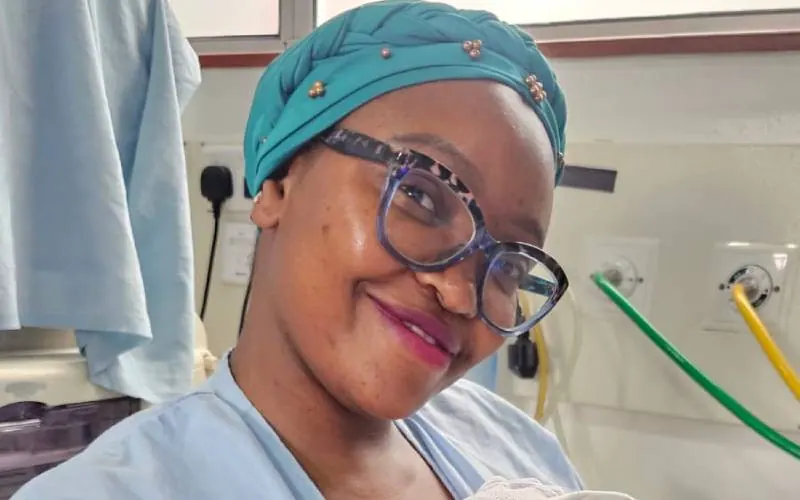
Dr. Laura Munyazi Mwangi's pregnancy was turned upside down at 25 weeks when an ultrasound revealed her unborn baby was severely growth-restricted and had very little amniotic fluid. Further tests showed placental insufficiency, meaning the placenta was no longer supplying the baby with enough oxygen and nutrients. The tests also detected reversed blood flow, a warning that the baby was struggling to survive inside the womb. This news turned the final weeks of her pregnancy into a race against time.
The situation Dr. Mwangi faced is not unique, as many expectant mothers experience complications during pregnancy. Neonatal Intensive Care Unit (NICU) Awareness Month highlights the challenges faced by premature newborns and their families. In Kenya, public hospitals struggle to provide adequate care for newborns, with some families blaming the government for the lack of resources. The situation is further complicated by the shortage of healthcare professionals and equipment in NICU units.
Premature newborns require specialized care, which can be a challenge for many families. Njambi Koikai, a premature baby survivor, shared her experience of struggling with conception and giving birth prematurely. Her story highlights the need for awareness and support for families with premature newborns. The Kenyan government has launched initiatives to reduce newborn deaths, including the introduction of new policies and guidelines for neonatal care.
The healthcare system in Kenya faces challenges in providing adequate care for newborns. Laboratories in the country go unchecked, raising safety concerns. The government has introduced new policies, such as shifting hospitals from portal to HMIS, to improve healthcare services. However, more needs to be done to address the shortage of healthcare professionals and equipment in NICU units.
Experts are working to develop new treatments and vaccines for diseases affecting newborns, such as Ebola. The development of new medicines and treatments requires collaboration between healthcare professionals, researchers, and policymakers. In Kenya, researchers are working to develop new solutions to address the high rate of newborn deaths. The government has also launched initiatives to promote maternal and child health.
Families with premature newborns require emotional and financial support. The anxiety and uncertainty that come with having a premature newborn can be overwhelming. Dr. Mwangi's story highlights the need for support systems for families with premature newborns. The Kenyan government and healthcare professionals are working to provide support and care for these families.
The journey of a premature newborn can be long and challenging. However, with the right care and support, many premature newborns can survive and thrive. Dr. Mwangi's story is a testament to the resilience of premature newborns and their families. The Kenyan government and healthcare professionals are working to improve neonatal care and reduce newborn deaths.
Key points
- Dr. Laura Munyazi Mwangi's pregnancy was complicated by placental insufficiency and reversed blood flow, putting her baby's life at risk.
- Premature newborns require specialized care, which can be a challenge for many families in Kenya due to the shortage of healthcare professionals and equipment.
- The Kenyan government has launched initiatives to reduce newborn deaths, including the introduction of new policies and guidelines for neonatal care.