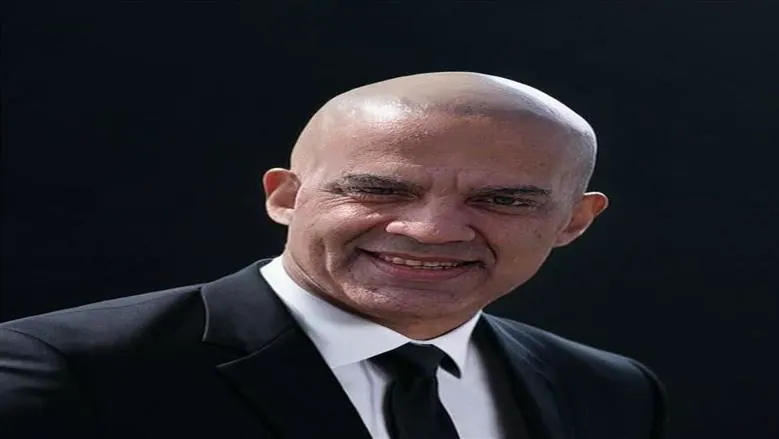
Egypt's Water Resources and Irrigation Minister, Hani Suwelim, stated on September 20, 2026, that Egypt views the Grand Renaissance Dam built by Ethiopia as illegal in its current form. Suwelim emphasized that the completion of the dam does not imply Cairo's acceptance of the situation, linking its stance to the continuation of unilateral actions and the absence of a binding agreement governing the dam's filling and operation.
The dispute over the dam has raised concerns about the future of Egypt's water supply. The Nile River, which runs through Egypt, Sudan, and Ethiopia, is a vital source of water and hydroelectric power for the region. Egypt, with a population of over 100 million, relies heavily on the Nile for its agriculture, industry, and drinking water. The country has expressed fears that the dam could significantly reduce its share of the Nile's water.
Ethiopia, on the other hand, sees the dam as crucial for its economic development and energy needs. The dam is expected to generate over 6,400 megawatts of electricity, making it one of the largest hydroelectric dams in Africa. However, Egypt and Sudan have raised concerns about the dam's impact on their water security and have called for a binding agreement on the dam's filling and operation.
In August 2026, Ethiopia's Minister of Water and Energy, announced plans to build three additional dams on the Nile River, sparking further concerns in Egypt and Sudan. The Ethiopian minister stated that his country does not need permission to build the dams, emphasizing that the goal of the Grand Renaissance Dam is to generate electricity.
The crisis has highlighted the need for a comprehensive agreement on the Nile River's water resources. Egypt, Sudan, and Ethiopia have signed a declaration of principles in 2015, which aims to facilitate cooperation and prevent harm to any of the parties. However, the agreement has not been fully implemented, and the three countries have yet to reach a binding deal on the dam's filling and operation.
Egypt's concerns about the dam are not limited to its water supply. The country is also worried about the potential impact on its agriculture, industry, and economy. Egypt has a large agricultural sector, which relies heavily on the Nile's water. A reduction in the country's water share could lead to food shortages, economic losses, and social unrest.
To address the crisis, Egypt is calling for a binding agreement on the dam's filling and operation. The country is also seeking to strengthen its diplomatic ties with other Nile River basin countries and to promote economic cooperation in the region. Additionally, Egypt is working to improve its water management practices, including reducing water waste and increasing the efficiency of its irrigation systems.
Key points
- Egypt considers Ethiopia's Grand Renaissance Dam illegal in its current form.
- The dam has raised concerns about Egypt's water supply and the potential impact on its agriculture, industry, and economy.
- A binding agreement on the dam's filling and operation is needed to address the crisis.