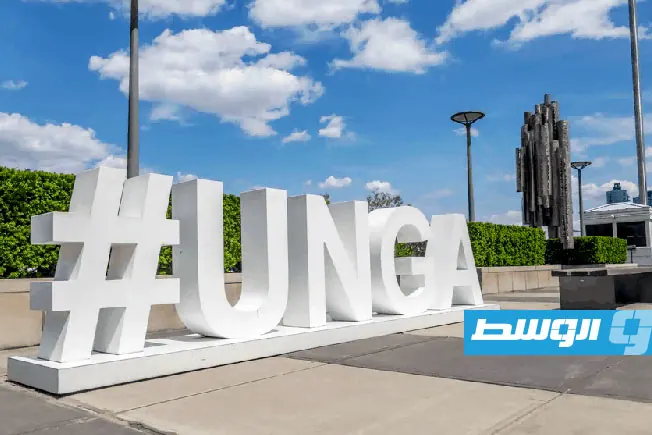
The 2026 UN General Assembly has commenced in New York, with leaders from around the world converging to address pressing global issues. This year's meeting takes place against a backdrop of escalating conflicts, economic uncertainty, and growing concerns about climate change. According to UN Secretary-General António Guterres, the world is experiencing a period of profound uncertainty, with shifting power dynamics and evolving global challenges.
The past nine months have seen significant developments, including the ongoing Russia-Ukraine conflict, which has shown no signs of abating. The war has led to increased military actions, with both sides intensifying their efforts in recent days. Diplomatic attempts to resolve the conflict have so far been unsuccessful. Meanwhile, the situation in the Middle East remains volatile, with tensions simmering over the Strait of Hormuz, a critical waterway.
The COVID-19 pandemic has also had a profound impact on the world, with many countries still grappling with its aftermath. The outbreak of Ebola in the Democratic Republic of Congo and Uganda in May highlighted concerns about global preparedness for future pandemics. Natural disasters, including devastating earthquakes and floods, have also underscored the growing threat of climate change.
Against this backdrop, leaders attending the General Assembly are seeking to address multiple crises, from conflicts and regional tensions to climate change and pandemics. Diplomats and officials have expressed concerns about the ability of the UN and its 193 member states to effectively tackle these challenges. Former US Ambassador to the UN Robert Wood described the current situation as a "critical moment" for reassessing the potential for diplomatic solutions.
The changing global landscape has led to shifting alliances and interests, with some countries seeking to redefine their relationships. Slovenian Foreign Minister Tony Kaiser noted that everything is changing in international relations, including friendships and alliances. He emphasized the need for coordination and cooperation to achieve peace and stability.
The rapid development of artificial intelligence has also emerged as a pressing concern, with many leaders recognizing the need for international cooperation to mitigate its risks. The Strait of Hormuz, a vital shipping lane, remains a focal point of tension, with efforts underway to find a peaceful resolution to the crisis.
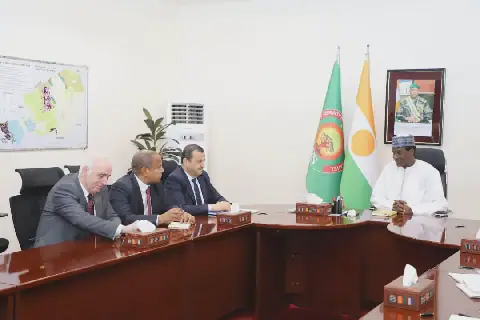
As the General Assembly convenes, leaders are also engaging in bilateral meetings to discuss pressing issues and find common ground. The outcome of these discussions will be closely watched, as the world seeks signs of progress in addressing the complex challenges facing the international community.
Key points
- The UN General Assembly is taking place amid escalating global conflicts, economic uncertainty, and growing concerns about climate change.
- The Russia-Ukraine conflict and tensions in the Middle East are high on the agenda, with diplomatic efforts underway to find peaceful solutions.
- The development of artificial intelligence and its implications for global security and stability are also being addressed.