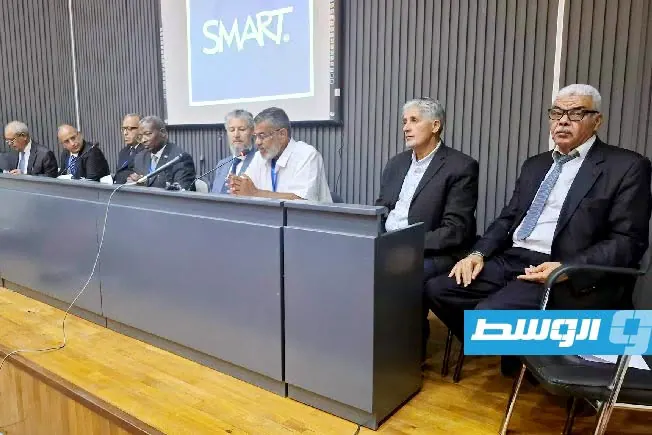
A workshop was held in Benghazi, Libya, to explore the integration of geological parks and archaeological heritage in the Green Mountain region. The event, which took place on September 21, 2026, brought together academics and specialists in earth sciences, heritage, and environmental conservation. The workshop aimed to discuss the relationship between the geological and natural features of the Green Mountain area and its rich archaeological and historical significance.
Dr. Khalid Muhammad al-Hadar, a professor of classical archaeology at the University of Benghazi, presented a scientific lecture titled "The Integration of Geological Parks and Cultural Heritage (Archaeology) in the Green Mountain." The lecture highlighted the importance of linking natural and cultural heritage within a comprehensive vision for geological parks. Dr. al-Hadar emphasized that this integration is crucial for preserving the region's cultural and environmental legacy.
The workshop was held at the headquarters of the Executive Device for the Great Man-Made River Project in Benghazi. Participants discussed the significance of preserving the region's natural and cultural heritage, and the need for sustainable development in areas with unique geological and archaeological features. The event was part of the National Project for Geological Parks, which aims to promote the conservation and management of Libya's geological and cultural resources.
Dr. al-Hadar's lecture focused on the relationship between the geological features of the Green Mountain region and its archaeological heritage, which dates back to various eras. He stressed the importance of integrating natural and cultural heritage in the management of geological parks, and the need for a comprehensive approach to preserve the region's cultural and environmental legacy.
The workshop was attended by a number of academics and specialists in relevant fields, who discussed the challenges and opportunities related to the conservation and management of geological parks and archaeological heritage in Libya. The event provided a platform for experts to share their knowledge and experiences, and to explore ways to promote sustainable development in areas with unique geological and cultural significance.
The National Project for Geological Parks aims to promote the conservation and management of Libya's geological and cultural resources, and to raise awareness about the importance of preserving the country's natural and cultural heritage. The project also seeks to support sustainable development in areas with unique geological and archaeological features, and to promote tourism and economic growth in these regions.
Dr. al-Hadar has been recognized for his contributions to the field of archaeology, and has received several awards for his work. Recently, he was honored with the French Order of Arts and Letters, and was awarded the rank of "Chevalier" (Knight) for his services to the field of archaeology and cultural heritage conservation.
Key points
- The workshop in Benghazi discussed the integration of geological parks and archaeological heritage in the Green Mountain region.
- Dr. Khalid Muhammad al-Hadar presented a lecture on the importance of linking natural and cultural heritage in geological parks.
- The National Project for Geological Parks aims to promote the conservation and management of Libya's geological and cultural resources.